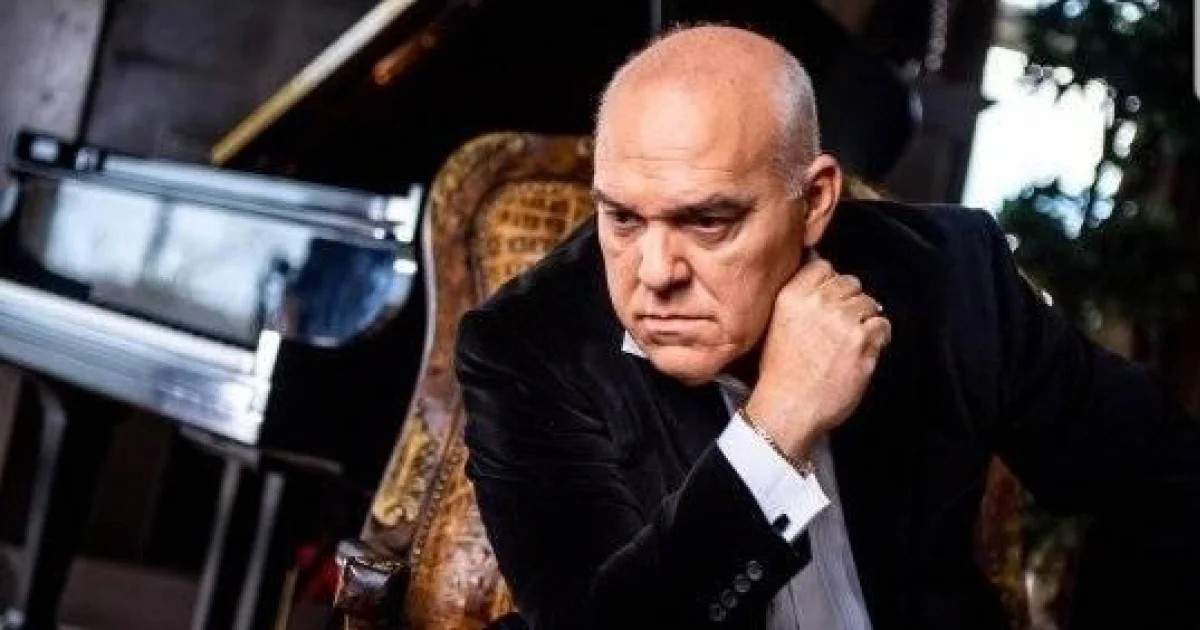
Cuban opera singer Ulises Aquino Guerra recently took to his Facebook page to share a poignant message titled "Where Are We Heading?" In this post, he makes a direct appeal to the Cuban government to cease its harassment and crackdown on individuals who protest or express dissent on the island.
Aquino, known for founding the community project Ópera de la Calle, begins his message with a clear statement: "If we are to be honest with our reality, we must acknowledge the paralysis of our national life..."
Focusing on the economy, Aquino pulls no punches, describing Cuba as being stuck in a "narrow and dead-end alley." He argues, "The Cuban economy, which is the only potential foundation for overcoming our dramatic situation, sees no way out beyond the traditional ideological discourse, which lacks concrete proposals that the people are aware of."
The baritone also defends the populace's right to express their frustration and condemns the government's repressive responses: "The people, tired of endless needs and hardships, find relief only in shouting, protesting, or showing their despair wherever they can."
Aquino warns against the state's approach: "Responding with threats, persecution, and imprisonment is the worst option for addressing the justified and legitimate social uncertainty."
He further questions the legitimacy of a government that ignores its people when making impactful decisions: "A government by and for the people should involve them in decisions that affect them; otherwise, it becomes their main adversary, regardless of its intentions."
Aquino strongly opposes labeling protestors as state enemies: "In these extreme times, empathy for those suffering from all sorts of deprivations is crucial. They are not just ideological or political adversaries; they are citizens without answers and a future is unimaginable without recognizing today's reality."
The artist's call to action is clear: "My intention with this message is to urge an end to the pressure and persecution of dissenters. It is their right."
He further warns of the dangers of maintaining a repressive system: "Every act of threat or intimidation against those who protest or express themselves is an affront to freedom, and no social system can survive if it denies the right to cry out in pain."
Aquino concludes with a vision that places freedom as a necessary condition for progress: "The only way to silence that outcry is by demonstrating a project that involves everyone in bettering life and achieving more real freedoms, because freedom is the only legitimate driver of development."
This message comes during a period of intense social crisis. January saw a record 953 protests in Cuba, according to the Cuban Conflict Observatory. In March, demonstrators in Morón, Ciego de Ávila, stormed the Communist Party's municipal headquarters and set furniture ablaze following over 26 hours without power.
This is not Aquino's first public outcry. Last week, he criticized the National Music Award given to Amaury Pérez Vidal, accusing the government of rewarding political loyalty over artistic merit. In October, he described Cuba as being in a state of "indigence and misery," and in July, he denounced the "betrayal" by those managing the Revolution.
Understanding Ulises Aquino's Call for Change in Cuba
What is Ulises Aquino advocating for in his message?
Ulises Aquino is advocating for the Cuban government to stop persecuting and pressuring those who dissent, asserting that they are citizens with rights, not enemies.
Why does Aquino criticize the Cuban government's response to protests?
Aquino criticizes the government's response as repressive and counterproductive, suggesting that threats and imprisonment only exacerbate social uncertainty and unrest.
What economic issues does Aquino highlight in his message?
Aquino highlights the Cuban economy's lack of viable solutions, stating that it remains trapped in traditional ideological narratives without concrete proposals for improvement.