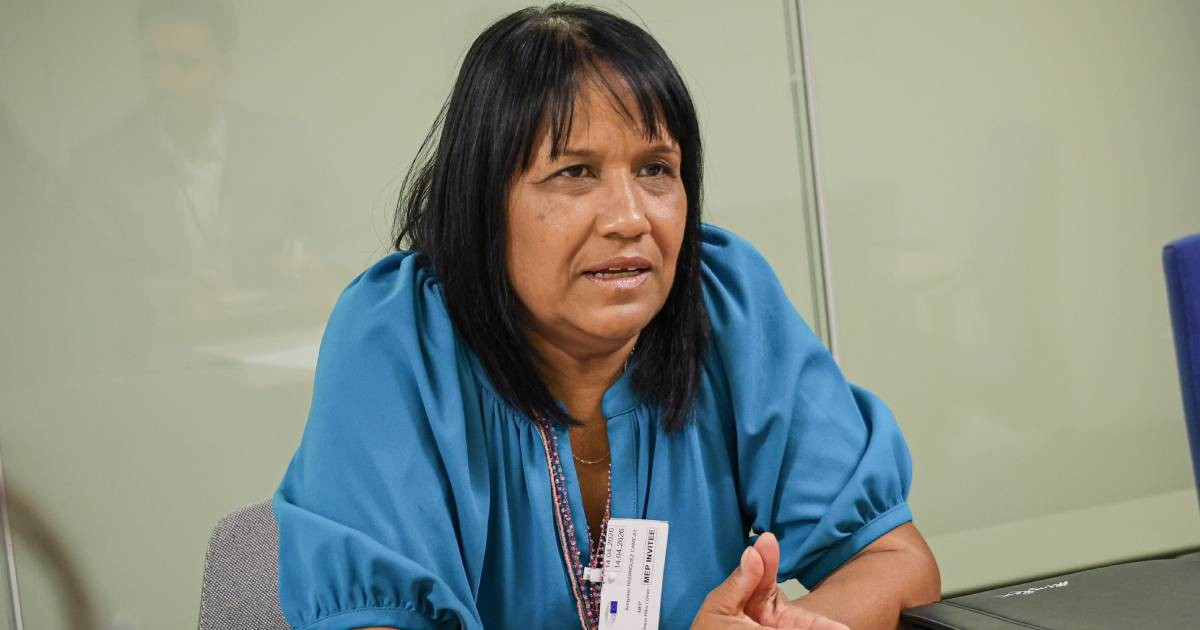
On Tuesday, Cuba's Deputy Foreign Minister, Anayansi Rodríguez Camejo, communicated from Istanbul to Anadolu Agency that while the Cuban regime is open to discussions with Washington, there is a firm boundary regarding the country's political system and leadership, which she emphasized are non-negotiable under any circumstances.
"I can categorically state that the Cuban political system is not up for negotiation," Rodríguez Camejo asserted. "It is not part of any potential negotiation table. Moreover, the position of the president or any official is not negotiable either."
These comments came a day after President Donald Trump issued another threat to the island, speaking to reporters at the White House: "Cuba is a declining nation, and we will address that, potentially making a stop there after our operations with Iran," he mentioned on Monday.
Potential Areas for Cooperation
Despite ongoing tensions, Rodríguez Camejo highlighted that there are areas where both nations could collaborate. "In negotiations with the United States, there are numerous topics of mutual interest," she pointed out, referring to law enforcement, drug trafficking, organized crime, and terrorism. "These are issues we can cooperatively address."
Rodríguez Camejo confirmed that high-level discussions are happening between the governments, though they are managed with discretion due to their sensitivity. Deputy Minister Josefina Vidal previously described the process in March as "a very preliminary initial phase" without "structured negotiations between the two governments."
Cuba's Stance on U.S. Accusations
The official also rejected the notion of Cuba being "an unusual and extraordinary threat" to the United States, a term Trump used when signing the executive order imposing a fuel blockade on the island on January 29. "Cuba poses no threat whatsoever to any country, including the United States of America," she responded.
Since the executive order, Cuba has received only one shipment of crude oil—originating from Russia—in nearly four months, exacerbating a severe energy crisis. According to Rodríguez Camejo, the blockade costs the Cuban economy approximately 7 billion dollars annually.
"The nation is deteriorating due to the energy infrastructure, leading to prolonged blackouts and power outages that our people endure every moment," Rodríguez Camejo lamented.
Humanitarian Impact of the Blockade
The humanitarian impact is dire: nearly 100,000 patients await surgery, including almost 2,000 children; as many as 40,000 pregnant women await ultrasounds; and more than 30,000 children are not receiving timely vaccines due to a lack of refrigerated transport.
On the same day, Foreign Minister Bruno Rodríguez condemned on social media the Trump administration's contradictory statements concerning fuel supplies, accusing it of creating deliberate confusion to continue obstructing oil entry to Cuba.
In response to Trump's threats, Rodríguez Camejo maintained a firm stance: "I can assure you that any external aggressor will face an unyielding resistance from our people," she warned, while emphasizing that Havana prefers a "civilized" relationship based on reciprocity and sovereignty, without preconditions.
The regime's position is clear: discussions are welcome, but the power structure remains untouched.
Frequently Asked Questions about Cuba-U.S. Relations
What is Cuba's stance on political negotiations with the U.S.?
Cuba has made it clear that its political system and leadership are non-negotiable in discussions with the United States.
How has the U.S. fuel blockade affected Cuba?
The blockade has led to severe energy shortages, causing prolonged blackouts and impacting essential services, with significant humanitarian consequences.
What areas of cooperation does Cuba see with the U.S.?
Cuba is open to cooperating with the U.S. in areas such as law enforcement, drug trafficking, organized crime, and terrorism.