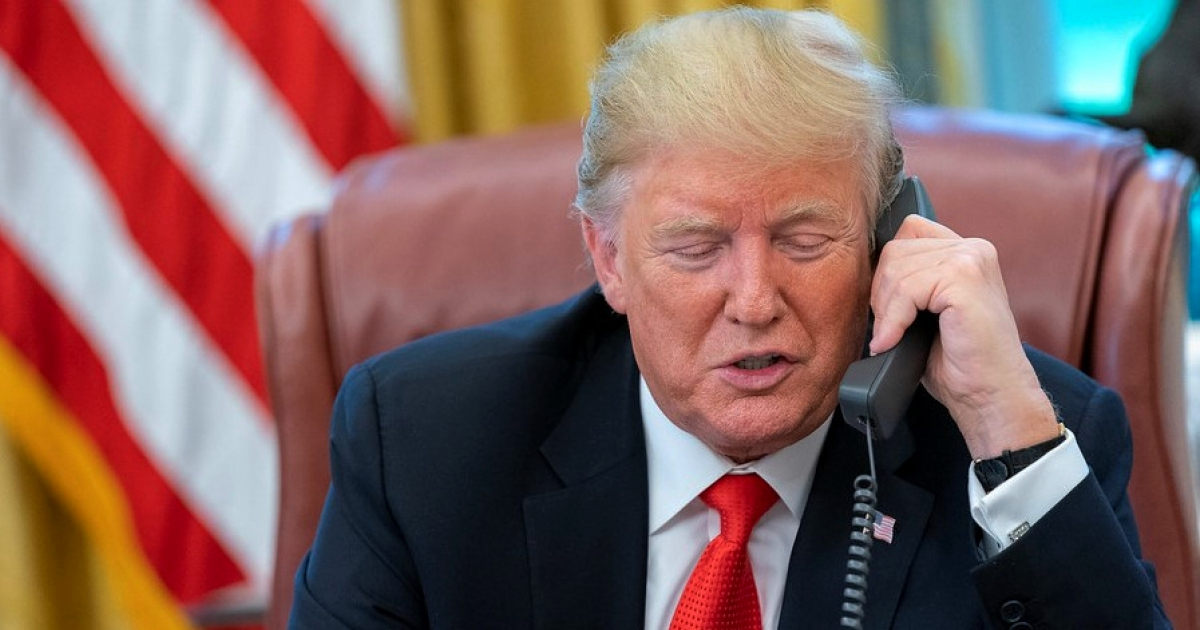
The Director of National Intelligence, Tulsi Gabbard, has released a collection of documents that she claims indicate a conspiracy within the intelligence community to push for the impeachment of President Donald Trump in 2019.
According to the official statement, these documents highlight irregularities in the initial investigation led by Michael Atkinson, the then Inspector General of the intelligence community.
Gabbard argues that the impeachment process relied on secondhand testimonies and sources with potential political biases, lacking direct evidence regarding the phone call between Trump and Ukrainian President Volodymyr Zelensky.
A focal point of the declassified documents is the role of the whistleblower, who admitted to lacking firsthand knowledge of the events. These documents reveal that the whistleblower had prior contact with Congress members before officially filing the complaint, a detail not initially disclosed during the inquiry.
Gabbard also criticizes Atkinson for not seeking full access to the phone call's contents before labeling the complaint as "urgent." She notes that the Department of Justice later determined there were no legal grounds to initiate a criminal case.
Additionally, the documents shed light on a witness linked to the 2017 intelligence report on alleged Russian interference in the 2016 elections, a highly debated topic in American politics. According to Gabbard, this witness helped to bolster a contested narrative.
In her statement, Gabbard contends that these incidents illustrate the misuse of whistleblower mechanisms within institutions and accuses elements of the so-called "deep state" of acting with political motives.
These revelations might reignite discussions about one of the most contentious political events in recent U.S. history. So far, there has been no announcement of legal action stemming from these documents, nor any official response from those involved.
Implications of Declassified Documents on Trump's Impeachment
What do the declassified documents reveal about the impeachment process against Trump?
The documents suggest irregularities in the initial investigation and highlight reliance on indirect testimonies and possibly biased sources, without direct evidence of the Trump-Zelensky call.
Who was the whistleblower in the Trump impeachment process?
The whistleblower, whose identity remains undisclosed, admitted to not having firsthand knowledge of the events and had prior contact with Congress members before filing the complaint.
How might these revelations affect the political landscape?
The revelations could reignite debate over the impeachment process and highlight potential misuse of whistleblower mechanisms, possibly affecting future political discourse.