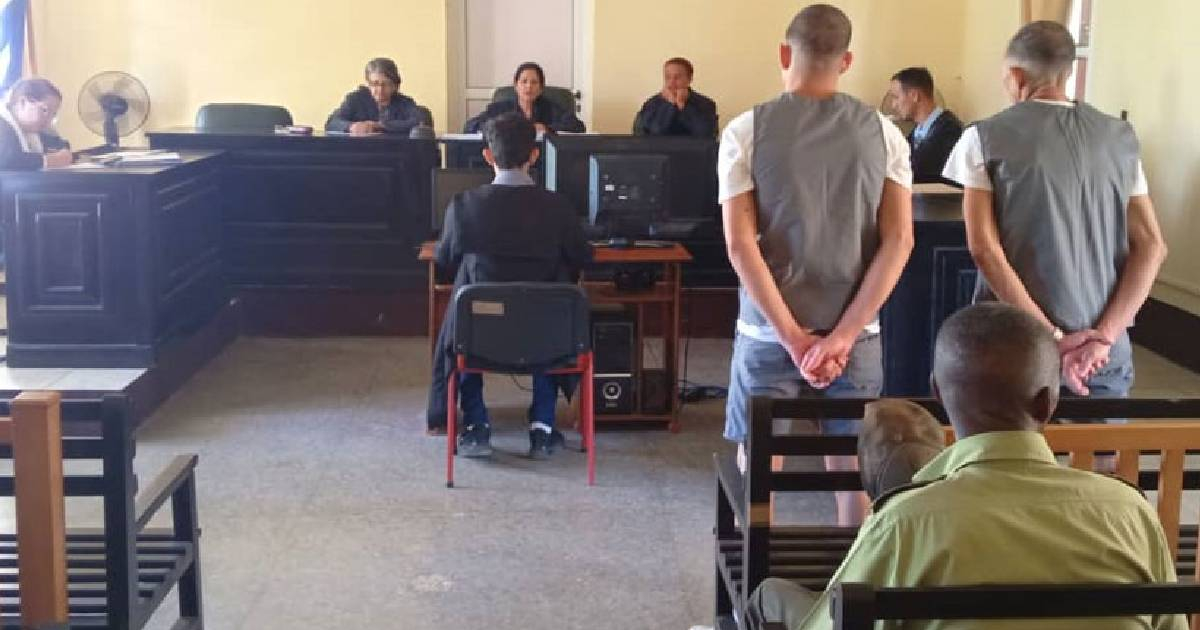
The People's Supreme Court of Cuba has disclosed that from January 2025 through the first quarter of 2026, every individual tried for sabotaging the National Electric Power System was sentenced to more than ten years in prison.
This information emerged from Ruling No. 475, issued by the Governing Council of the People's Supreme Court on May 23, 2025, and circulated in state-controlled media such as Cubadebate amid an ongoing energy crisis, serving as a "deterrent" message.
The ruling categorizes sabotage as a crime against state security, rather than simple theft, encompassing actions like the theft of components from photovoltaic parks, solar panels, generators, dielectric oil from transformers, and fuel.
The document itself describes how "unscrupulous individuals steal components, parts, equipment, resources, fuels, and dielectric oil" belonging to the energy infrastructure.
Under Article 125 of the Penal Code (Law No. 151, effective since May 22, 2022), basic penalties range from seven to 15 years for those who destroy, alter, damage, or harm energy infrastructure.
Previous cases have already illustrated the system’s severity: two Cubans were sentenced to nine and seven years for stealing approximately 50,000 screws intended for electric infrastructure.
When actions result in severe consequences, jeopardize public safety, or affect material reserves, the penalties can escalate to 10 to 30 years, life imprisonment, or even the death penalty.
Reflecting this stance, official spokesperson Humberto López reiterated the warnings last Saturday, emphasizing the legal repercussions for those who damage the electrical system.
Cuban Electrical Sabotage Sentencing: Key Questions
What penalties does the Cuban Penal Code impose for damaging energy infrastructure?
The Cuban Penal Code stipulates penalties ranging from seven to 15 years for damaging energy infrastructure, with harsher sentences for more severe consequences.
How have previous cases demonstrated the severity of Cuba's penal system?
In earlier cases, individuals were sentenced to nine and seven years for stealing screws meant for electrical infrastructure, showcasing the strict penalties enforced.
What are the consequences of being found guilty of electrical sabotage in Cuba?
Those found guilty of electrical sabotage in Cuba face sentences of over ten years, with possibilities of life imprisonment or even the death penalty for severe cases.