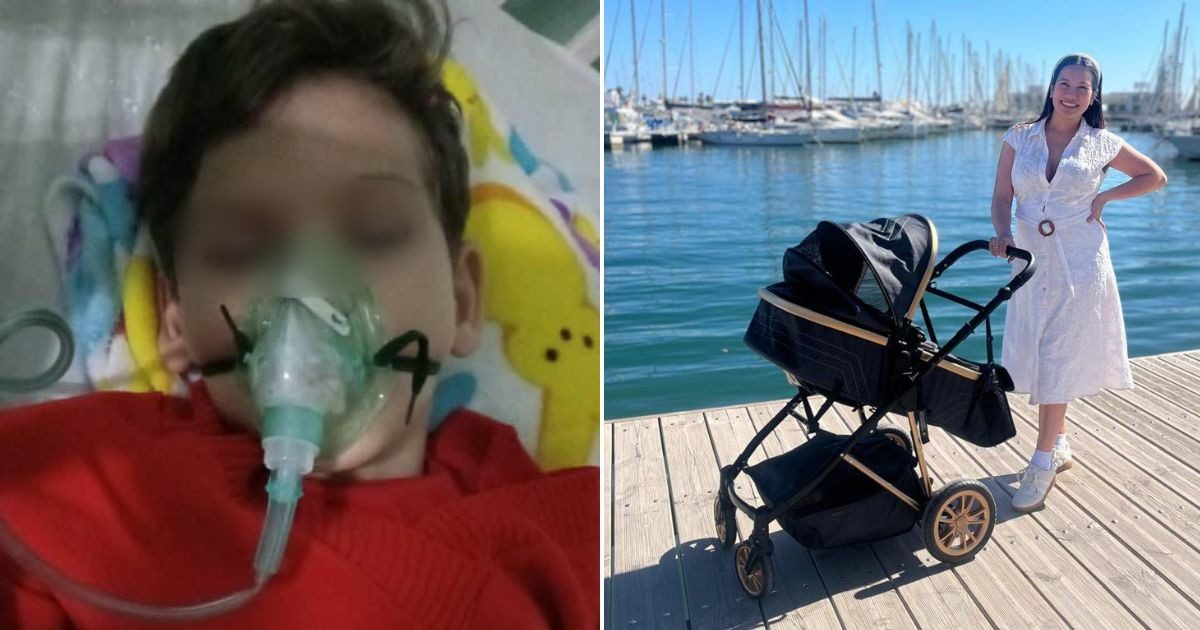
A young boy in Las Tunas is facing a critical health crisis due to phenylketonuria (PKU), as he remains without specialized medical attention for two years. His condition is deteriorating rapidly, exacerbated by daily seizures, highlighting the negligence of Cuba's healthcare system.
Selena Suárez, a relative of the child, voiced her frustrations on the Facebook group "Revolico Centro Habana" on Saturday. She revealed that the boy is denied necessary medical follow-up and the strict diet his condition demands. The response from institutions has been consistently dismissive, citing excuses like "no available beds" or "lack of fuel for transportation."
Family's Desperate Efforts for Treatment
The child's condition is dire: he is unable to feed himself, communicate, or control his motor functions. Despite attempts by the family to overcome logistical barriers, they are met with continuous obstacles. "Initially, we were told there was no fuel for transport. We decided to take him to Havana ourselves, only to learn there were no beds for his admission," Suárez explained in a comment on the post.
The ramifications of this prolonged wait are severe. "Each day that passes, the seizures inflict further irreversible brain damage," warned Suárez, emphasizing that the public denunciation aims to bring attention to the issue after two years of unfulfilled promises.
Understanding Phenylketonuria and Its Impact
Phenylketonuria is a genetic metabolic disorder that, if untreated, results in toxic levels of phenylalanine in the blood and tissues, leading to irreversible neurological damage, severe intellectual disabilities, and seizures. Medical literature indicates that an untreated child can lose up to 50 IQ points in the first year and that one-third of cases result in severe cerebral palsy.
Treatment involves a lifelong strict low-protein diet, supplemented with special phenylalanine-free formulas. Although Cuba has had a neonatal screening program covering 99.9% of newborns since 1975, and the Ministry of Public Health offers a lifelong food subsidy program for these patients, systemic failures have rendered these programs ineffective.
Cuba's Healthcare System on the Brink
The broader context of this case is the collapse of Cuba's healthcare system. Hospitals are plagued by power outages lasting up to twenty hours a day, inactive diagnostic equipment, and fuel shortages affecting ambulance services and patient transport. In July 2025, the Minister of Public Health acknowledged that medication coverage was a dismal 30%.
In Las Tunas, the situation is particularly dire. In November 2025, dengue and chikungunya outbreaks overwhelmed hospital services, while transportation routes to Havana dwindled to just one per day, complicating access to specialized medical facilities.
Sadly, this is not an isolated incident. In December 2025, the plight of baby Yoseily Miranda Rojas, suffering from maple syrup urine disease, was brought to light after ten months of hospitalization without access to necessary special formula. Similarly, in August 2024, help was sought for Ester Lianet Asprón Rey, a two-year-old from Las Tunas, in critical condition awaiting a hydrocephalus valve without available resources.
"Every day without care is another day of irreversible damage," Suárez urged, demanding specialized medical care, access to the required diet, and the child's urgent transfer to a facility equipped to provide the necessary treatment.
Key Concerns About Cuba's Healthcare Crisis
What is Phenylketonuria (PKU)?
Phenylketonuria (PKU) is a genetic metabolic disorder that leads to the accumulation of phenylalanine in the blood and tissues, causing neurological damage if untreated.
Why is the healthcare system in Cuba failing?
Cuba's healthcare system is struggling due to systemic issues such as prolonged power outages, lack of diagnostic equipment, and shortages of fuel and medication.
How are families coping with the healthcare crisis in Cuba?
Families are facing immense challenges, often resorting to public denunciations and attempting self-transport to access medical care, despite systemic obstacles.