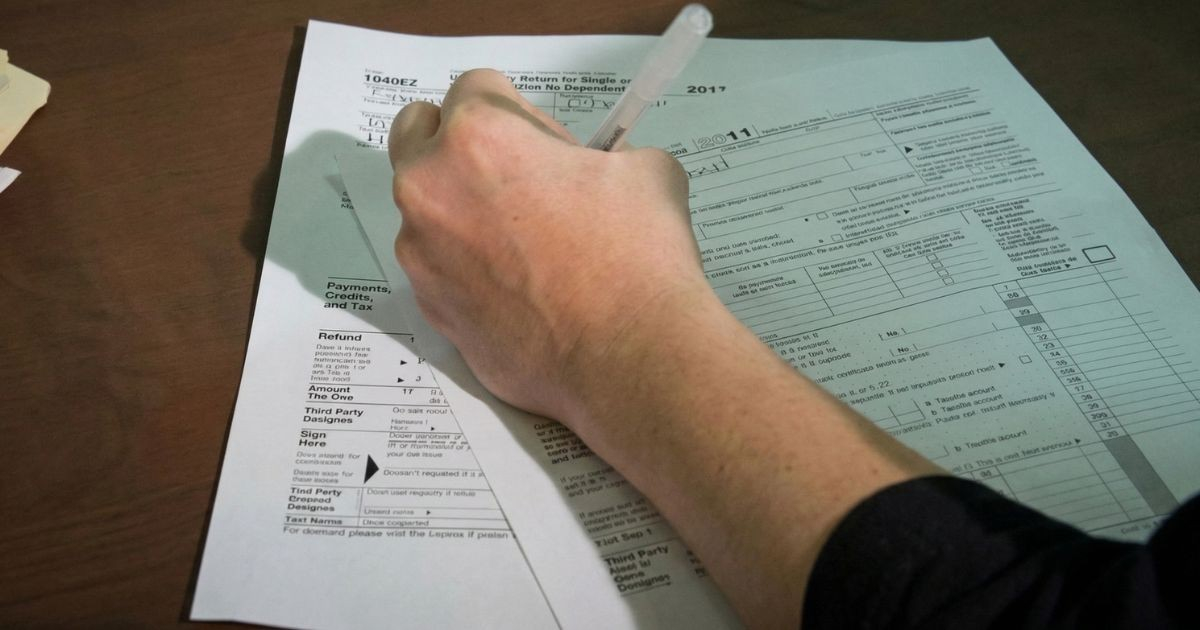
For numerous immigrants residing in the United States, the approach of April 15th—tax filing deadline—brings not just a fiscal duty, but also significant anxiety over potential immigration repercussions.
According to a Telemundo report, worries have escalated among those without legal status, fearing that the details provided in their tax filings could be leveraged by immigration agencies to track them down.
Despite the Internal Revenue Service's (IRS) data confidentiality being upheld by court rulings, apprehension remains pervasive within the community. Distrust has been fueled by past attempts to allow immigration authorities access to such sensitive information.
Decline in Tax Filing Participation
Tax preparers have observed a significant drop in participation. In several instances, they note that only a small fraction of clients with an Individual Taxpayer Identification Number (ITIN) have proceeded with filing this year, a clear indication of the uncertainty they face.
Data from the IRS reveals that, by the end of March, over a million tax returns were missing compared to the previous year. This situation is compounded by changes in requirements for tax credits, diminishing the incentives to file.
The Impact of Reduced Incentives
Some taxpayers argue that without access to benefits such as family credits, the effort to file taxes seems futile. Others opt to risk potential financial penalties rather than divulge personal information that could endanger them.
Tax authorities emphasize that failing to file is not a legal option. They advise requesting an extension until October if needed, while clarifying that payments must be made by the deadline to avoid penalties and interest.
The Ongoing Dilemma of Legal Compliance versus Personal Safety
In this environment, fear and misinformation continue to sway the decisions of thousands of immigrants, who find themselves torn between adhering to legal obligations and safeguarding their personal security.
Frequently Asked Questions About Tax Filing for Undocumented Immigrants
Why are undocumented immigrants hesitant to file taxes in the U.S.?
Many undocumented immigrants fear that the information provided in tax returns could be used by immigration authorities to track them, despite IRS data confidentiality protections.
What has been the impact on tax filings among immigrants?
There has been a noticeable decline in tax filings, with over a million returns missing compared to the previous year, largely due to fears and changes in tax credit requirements.
What should immigrants do if they cannot file taxes by the deadline?
Tax authorities recommend requesting an extension to file by October, though payments should be submitted by the original deadline to avoid penalties and interest.