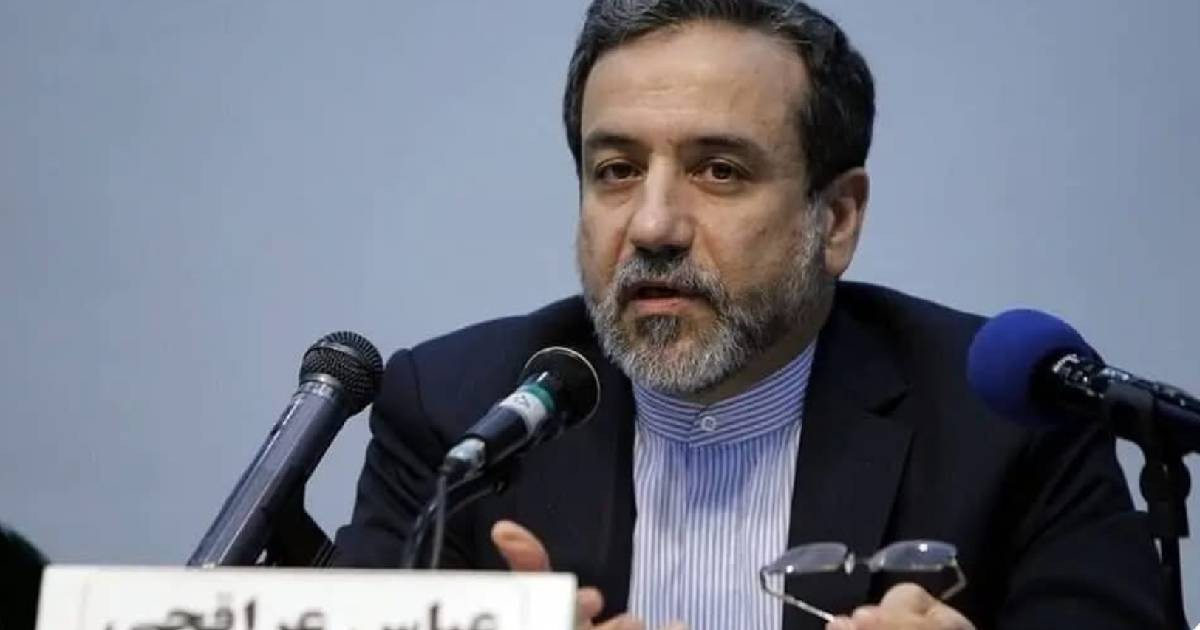
The Secretary General of Iran's Supreme National Security Council released an official statement on Tuesday, asserting that adversaries have been pleading for a ceasefire for over a month. Tehran, however, has consistently dismissed these appeals.
This announcement comes on the 40th day of the war between Iran and the coalition led by the United States and Israel, which commenced on February 28, 2026, with Operation Epic Fury targeting over 1,000 Iranian sites in its initial 24 hours.
The statement emphasizes that Iranian leaders have rebuffed all ceasefire requests, adhering to their decision from the conflict's onset to persist in warfare until achieving their objectives, including driving the enemy to remorse and hopelessness.
Iran has also repeatedly ignored deadlines set by President Donald Trump, declaring that it places "no significance" on the adversary's ultimatums.
Despite the triumphant tone, the statement reveals that Iran has chosen to engage in discussions with the United States in Islamabad, Pakistan, beginning Friday, April 10. These negotiations are scheduled to last two weeks, with the possibility of extension.
This decision follows the guidance of the new Supreme Leader, Ayatollah Mojtaba Khamenei, son of Ali Khamenei, who was killed in an airstrike during the conflict's early days.
The document explicitly clarifies that the talks do not signal the war's end; Iran will only consent to ending the conflict once its principles are solidified in the final negotiations.
"Our fingers remain on the trigger, ready to deliver a decisive and forceful response to any minor mistake by the enemy," warns the statement.
Iran has outlined a 10-point proposal through Pakistan, which includes organized transit through the Strait of Hormuz under Iranian coordination; cessation of hostilities against all Axis of Resistance members; and withdrawal of U.S. combat forces from the region.
Additionally, Iran demands comprehensive compensation, the lifting of all primary and secondary sanctions, the release of frozen Iranian assets abroad, and the incorporation of these points into a binding U.N. Security Council resolution.
Pakistan's Prime Minister informed Tehran that Washington has accepted these tenets as the basis for the negotiations, according to the Iranian statement.
This announcement follows Iran's rejection of the U.S. proposal for a 15-point plan and a 45-day temporary ceasefire mediated by Pakistan, Egypt, and Turkey, as well as Trump's fourth ultimatum since March 21 demanding the reopening of the Strait of Hormuz.
Iran closed the Strait on March 4 with mines, drones, and missiles, affecting approximately 2,000 ships and 20,000 sailors, and causing oil prices to surge beyond $115 per barrel.
"Iran's historic decision, fully supported by its people, is to continue this struggle as long as necessary," concludes the Supreme National Security Council's statement.
Key Questions About the Iran Conflict
What initiated the current conflict between Iran and the coalition?
The conflict began on February 28, 2026, with the launch of Operation Epic Fury by the coalition led by the United States and Israel, targeting over 1,000 Iranian sites.
Why has Iran rejected ceasefire requests?
Iran has rejected ceasefire requests because it seeks to achieve its strategic objectives, including forcing the enemy into a state of regret and despair.
What are Iran's conditions for negotiations?
Iran's negotiation conditions include organized transit through the Strait of Hormuz, cessation of hostilities against its allies, complete withdrawal of U.S. forces, lifting of sanctions, and compensation, among other demands.