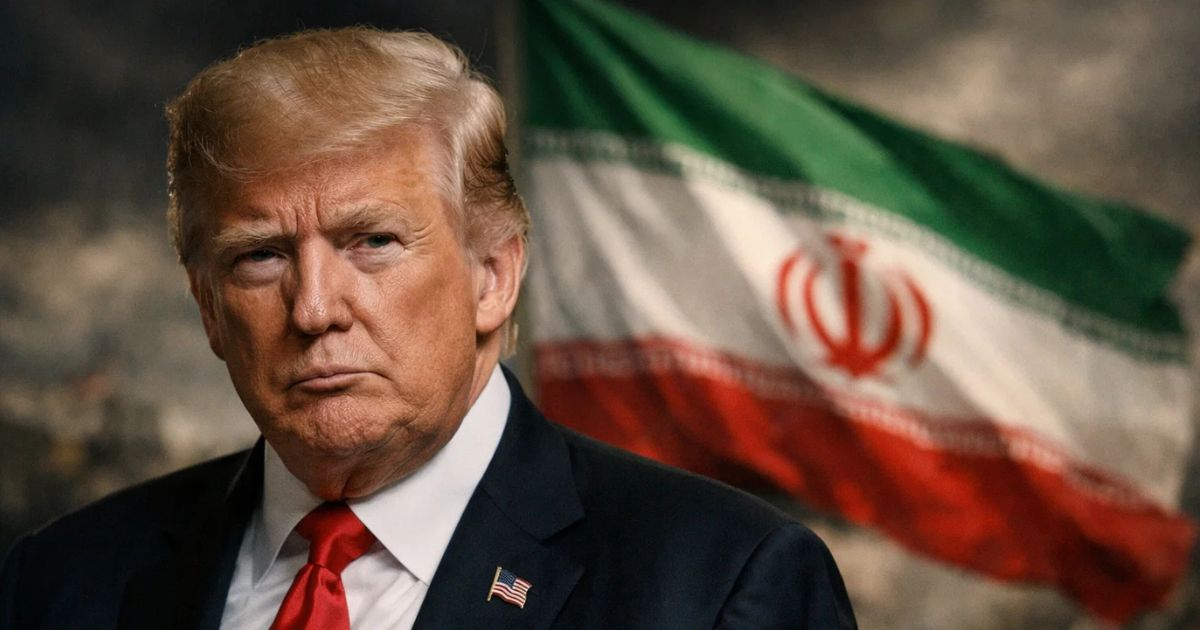
As the deadline set by Donald Trump for Iran to reopen the Strait of Hormuz approaches this Tuesday, April 7, at 8:00 PM (Washington time), tensions have been rising steadily throughout Monday. Here are the critical insights you need to understand what's at stake.
The Impending Deadline
Trump established April 7 as the cut-off for Tehran to reopen the Strait of Hormuz. On social media, he ominously warned, "Tuesday will be Power Plant Day and Bridge Day, all at once, in Iran. Nothing like it!" This marks the fourth ultimatum since March 21.
Iran's Firm Stance Against Pressure
Iran's Foreign Ministry spokesperson, Ismail Bagaei, made it clear on Monday that negotiations cannot coexist with ultimatums, crimes, or threats of war crimes. Tehran remains firm in its refusal to yield to military pressure.
Washington's 15-Point Plan Rejected
The 15-point proposal sent by Washington through intermediaries was dismissed by Iran as "extremely ambitious and illogical" and "unacceptable." Bagaei revealed that Tehran has crafted its own counterproposal based on its red lines, details of which will be disclosed "in due course."
Iran's Five Conditions for Negotiation
Iran demands the cessation of selective assassinations, guarantees against future wars, compensation for damages, an end to all hostilities, and recognition of its authority over the Strait of Hormuz. Bagaei also ruled out any temporary ceasefire, labeling it "a pause to regroup and rearm for continued crimes."
Debate Over a 45-Day Ceasefire
Despite Iran's public stance, four sources cited by Axios confirm negotiations on a 45-day ceasefire in two phases. Trump told Israel's Channel 12 he is deeply engaged in talks with Iran and hopeful for an agreement, but warned, "If no deal is reached, I will obliterate everything over there." Mediators met with Steve Witkoff and Jared Kushner on Sunday without results.
Mediators and the Toll Law
Pakistan, Egypt, and Turkey serve as intermediaries, while Witkoff and Kushner maintain direct contact via text with Iran's Foreign Minister Abbas Araghchi. For mediators, the full reopening of the strait is crucial. However, Iran's Parliament passed a law on March 31 imposing tolls on ships crossing the strait, explicitly banning U.S. and Israeli vessels, a move maritime law experts say violates the UN Convention on the Law of the Sea.
Impact of Operation Epic Fury
Launched on February 28, 2026, by the U.S. and Israel, the operation has targeted over 5,000 objectives, destroyed 90% of Iran's missile capabilities, and eliminated 49 high-ranking officials. On Monday, Israel struck Iran's largest petrochemical plant in Asaluyeh—responsible for 50% of national production—and eliminated the head of the Revolutionary Guard's intelligence, Brigadier General Majid Khademi. Israel's Defense Minister Israel Katz declared the attack "a severe economic blow of tens of billions of dollars to the Iranian regime."
Looking Ahead, Axios sources deem the chances of an agreement slim. Should the deadline pass without a deal tonight, Trump has vowed massive attacks on Iran's civilian infrastructure. BBC correspondent Lyse Doucet describes "frantic last-minute diplomacy gaining momentum."
Understanding the Iran-U.S. Tension: Key Questions
What is the significance of the Strait of Hormuz?
The Strait of Hormuz is a crucial maritime passage for global oil shipments, making it strategically significant for both regional and global energy security.
Why is Iran refusing to negotiate under pressure?
Iran asserts that negotiations cannot occur alongside ultimatums, military threats, or actions perceived as war crimes, insisting on sovereignty and diplomatic integrity.
What are the potential consequences if no agreement is reached?
If the deadline passes without a deal, Trump has threatened extensive military strikes on Iran's civilian infrastructure, escalating regional tensions significantly.