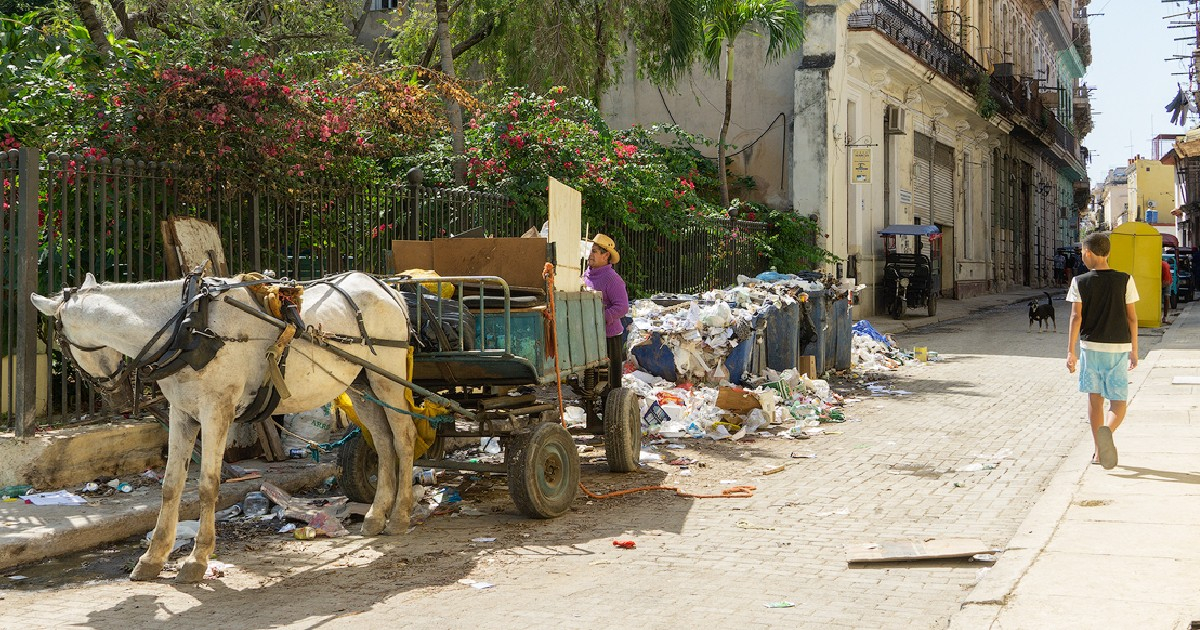
In Cuba, state workers, particularly those in the tourism industry, are expressing outrage over the government's proposal to reassign them to roles such as garbage collection or agricultural work.
According to a report by the independent outlet 14 y Medio, the government has introduced this measure as an alternative to job "interruptions" amid a severe energy crisis that is crippling the island's economy.
"It's unbelievable to be told that after five years of university, I have to collect trash," says Miguel, one of those affected. His words capture the widespread frustration among thousands of employees who have been left jobless following the collapse of the tourism sector.
Just two weeks after Jesús Otamendiz Campos, the Minister of Labor and Social Security, stated on the Mesa Redonda program that labor relocation is the top priority, not interruption, complaints have surged, and layoffs in the tourism sector have been rampant.
The immediate trigger was the suspension of most international flights on February 11, as a kerosene shortage led to route closures, causing a breakdown at key tourist destinations like Cayo Coco, Cayo Guillermo, and Varadero.
Impact on the Tourism Industry
Ángel, who used to work as a bartender at a hotel in Holguín, describes the stark transition to 14 y Medio: "From working surrounded by people, making cocktails till late at night, to now just scrolling through reels on my phone, as everything here in Cayo Coco and Cayo Guillermo is shut down."
Iván, another worker, questions the feasibility of these relocations: "How can we be relocated if most of our companies are suffering from shortages of fuel, electricity, and transportation?"
According to Iván, the majority of available positions are for security guards, offering low pay and high risk, which makes them undesirable.
Challenges of Labor Legislation
The current labor laws put workers in a difficult situation: an interrupted employee receives full pay for the first month and 60% thereafter, but if they unjustifiably reject a relocation offer, they may lose their job.
"If they refuse, the State appears fair, and the worker has to find a way to survive," summarizes Lisandra, whose husband was declared "interrupted" verbally after 42 years of service, just months before retirement.
Arlenis, whose daughter was doing social service in tourism, complains about arbitrary rule enforcement: "My daughter hasn't even been contacted by the hotel to discuss her options."
Official Narrative vs. Reality
State media attempts to portray the situation positively: Escambray reports that over 11,000 workers in Sancti Spíritus have embraced new employment forms, mostly remote work, with only 460 reassigned to different roles within the same organization.
Yudith, an employee in Holguín, warns 14 y Medio that relocation "is not available in all regions," particularly in communities heavily reliant on tourism.
Alfredo, a seasoned worker in the sector, draws a parallel with the pandemic: "We've seen this before. They said the same during COVID-19, and companies did as they pleased, leaving half the town jobless. Brace yourselves for a second chapter."
The crisis extends beyond the state sector: 96.4% of private small and medium-sized enterprises report "severe to catastrophic" impacts due to fuel shortages, and cultural venues like the Fábrica de Arte Cubano have reduced their operations to just Fridays and Saturdays.
Understanding Cuba's Labor Reallocation Crisis
Why are Cuban workers being reassigned to roles like garbage collection?
The Cuban government has proposed reassigning workers to roles such as garbage collection or agricultural work as a response to job interruptions caused by a severe energy crisis affecting the country's economy.
What impact has the energy crisis had on Cuba's tourism industry?
The energy crisis led to the suspension of international flights due to a kerosene shortage, causing significant disruptions at major tourist destinations like Cayo Coco and Varadero, resulting in widespread job losses in the tourism sector.
How does current labor legislation in Cuba affect workers facing job relocation?
Under current laws, workers who face job interruptions receive full pay for the first month and 60% thereafter. However, if they unjustifiably refuse a relocation offer, they risk losing their employment.