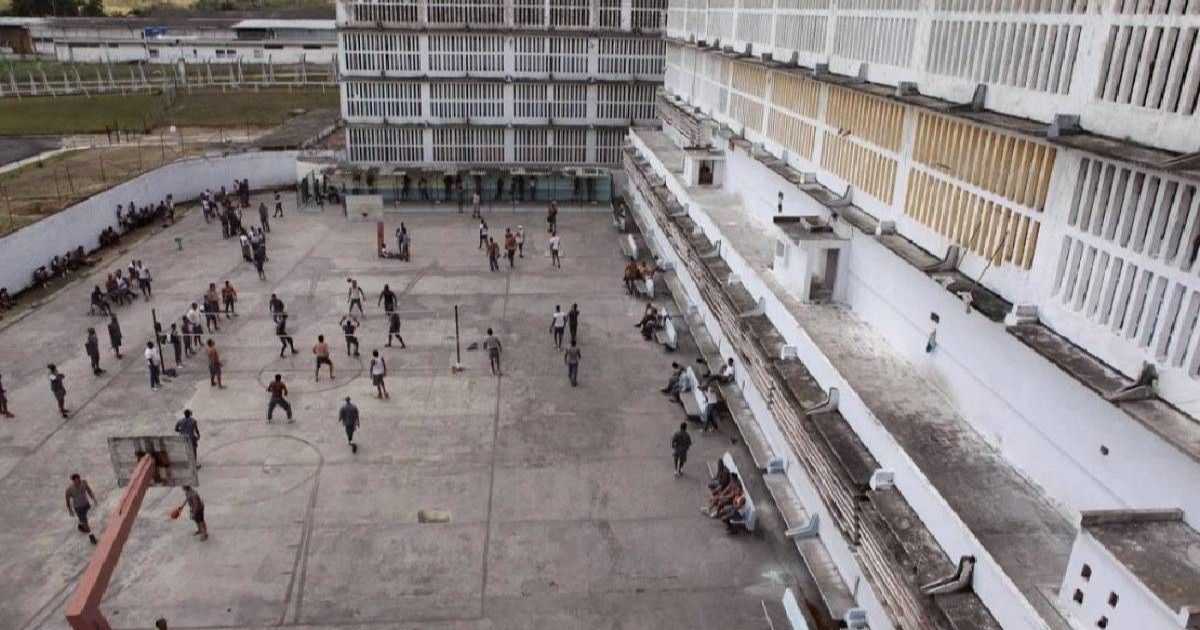
The Cuban regime recently declared a pardon affecting 2,010 prisoners, presenting it as a humanitarian gesture during Holy Week. However, human rights organizations suggest that the move is driven more by financial necessity than by genuine mercy.
The Ministry of Foreign Affairs (Minrex) released the announcement without detailing the beneficiaries or providing a specific timeline for the releases. Notably, those convicted of crimes against authorities were explicitly excluded, which means that the majority of recognized political prisoners remain incarcerated.
Human Rights Concerns Over Prison Releases
Activists and human rights experts describe this as a "prison drain," a recurring tactic where the regime releases common inmates to ease the strain on the penal system and cut costs, without addressing the plight of those imprisoned for political reasons.
Independent organizations reported that by the end of February 2026, there were 1,214 political prisoners in Cuba, highlighting the severe scope of the issue that the current pardon fails to address.
Political Prisoners Still Awaiting Justice
One unresolved case is that of Christian de Jesús Crespo Álvarez, a 16-year-old detained following the Morón protests. He represents one of many minors still held for participating in demonstrations.
International Political Reactions
On the international stage, Congressman Carlos Giménez has demanded the immediate release of all political prisoners, warning that the regime's announcement is merely a ploy to distract the global community.
This marks the fifth pardon since 2011 and the second in less than a month, reinforcing the notion that these releases are motivated by resource management and international pressure, rather than any genuine shift in Cuba's human rights policies.
Understanding Cuba's Prison System and Political Dynamics
Why did the Cuban regime announce a mass pardon?
The Cuban regime announced a mass pardon, presenting it as a humanitarian act during Holy Week. However, critics argue it is driven by financial needs rather than genuine clemency.
Who is excluded from the Cuban pardon?
The pardon explicitly excludes individuals convicted of crimes against authorities, leaving most recognized political prisoners still incarcerated.
What is the international response to Cuba's pardon announcement?
Internationally, figures like Congressman Carlos Giménez have called for the immediate release of all political prisoners, viewing the pardon as a distraction tactic by the Cuban regime.