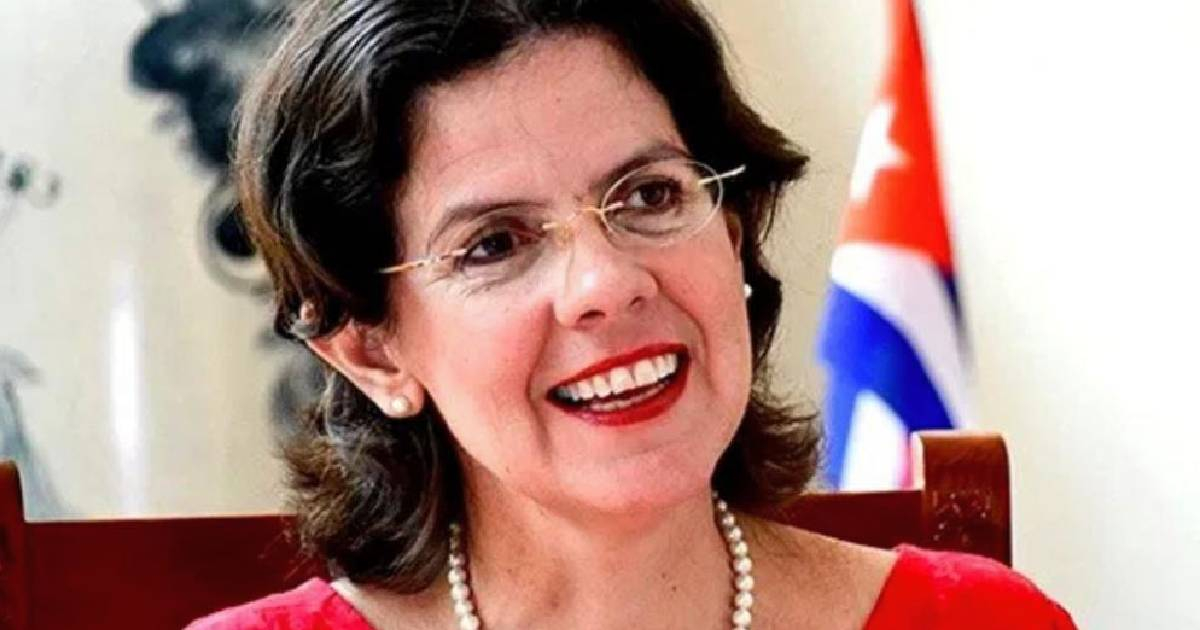
The top Cuban diplomat in Washington, Lianys Torres Rivera, has laid out a plan for bridging gaps with the Trump administration and has openly invited the United States to engage in Cuba's economic transformation. This invitation was made in an exclusive interview with USA TODAY published on Tuesday, March 31.
High-level negotiations, spearheaded by Secretary of State Marco Rubio, have gained momentum following President Trump's imposition of an oil blockade on Cuba through Executive Order 14380, issued on January 29, 2026. This blockade has severely restricted Cuban crude oil imports, slashing them by 80% to 90%.
"There is a broad range of topics we can discuss with the United States that would benefit both their national interests and ours. If the U.S. wants to be involved in Cuba's economic transformation, let's make it happen," stated Torres Rivera.
These remarks come amid quiet negotiations between the two governments, which have intensified since Washington implemented the oil blockade two months ago.
According to Torres Rivera, the Cuban regime is interested in several measures that could pave the way for potential economic collaboration with the United States:
- Relaxing embargo restrictions that prevent Cuba from acquiring products containing more than 10% U.S. components.
- Suspending the enforcement of Title III of the Helms-Burton Act, which would allow for greater investment and commercial operations.
- Removing Cuba from the U.S. State Department's list of state sponsors of terrorism.
These proposals mark the first public indication of Havana's demands in the context of a possible economic agreement with Washington.
Negotiations are being led on the U.S. side by Secretary of State Marco Rubio. Confirmed reports indicate that these discussions have intensified following the new energy pressure measures on the island.
In February, Rubio met with a grandson of Raúl Castro, a key figure within the regime's power structure. Subsequently, Cuban leader Miguel Díaz-Canel publicly acknowledged on March 13 that talks were underway with Washington.
This rapprochement occurs at a critical juncture for the Cuban economy, which is grappling with a deep internal crisis, shortages of basic goods, and growing social discontent. These factors are mounting pressure on the regime to seek external relief.
Understanding the U.S.-Cuba Economic Discussions
What prompted the high-level negotiations between the U.S. and Cuba?
The negotiations were intensified following the oil blockade imposed by President Trump, which drastically reduced Cuban oil imports.
What are the key demands of Cuba in these discussions?
Cuba's demands include easing embargo restrictions, suspending Title III of the Helms-Burton Act, and removing Cuba from the list of state sponsors of terrorism.
Who is leading the negotiations on behalf of the United States?
Secretary of State Marco Rubio is leading the discussions for the United States.