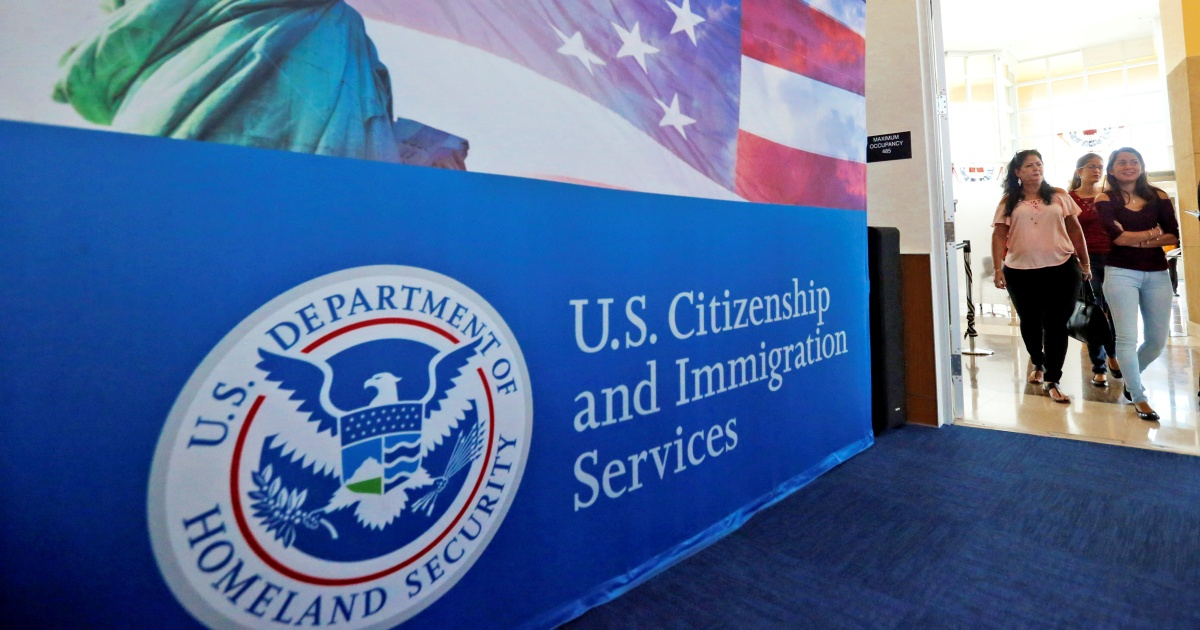
The Trump administration has partially lifted the suspension on asylum applications that had stalled hundreds of thousands of cases since November 2025. However, the freeze remains for nationals from 39 countries included in its immigration ban proclamation, such as Cuba, Venezuela, and Haiti.
The Department of Homeland Security (DHS) confirmed to CBS News that the "USCIS has lifted the hold on adjudication for asylum seekers who have undergone thorough background checks from countries not considered high-risk," according to an official statement from the agency.
The DHS clarified that this move "enables us to focus resources on the ongoing rigorous national security and public safety vetting for higher-risk cases" and emphasized that the "highest scrutiny and verification for ALL foreign nationals continue without interruption."
The Trigger for the Suspension
The original suspension was implemented in November 2025, shortly after a shooting incident on the 26th of that month in Washington D.C. Rahmanullah Lakanwal, a 29-year-old Afghan national, fired shots at two National Guard members near the Farragut West metro station, just blocks from the White House.
Specialist Sarah Beckstrom, 20, succumbed to her injuries on November 27, while 24-year-old soldier Andrew Wolfe was left critically injured.
Lakanwal had entered the U.S. on September 8, 2021, through the Operation Allies Welcome program, which provided humanitarian parole to Afghans evacuated following the U.S. withdrawal. He was charged with first-degree murder and pleaded not guilty; he remains in custody without bail.
Partial Reinstatement and Continued Restrictions
In the wake of the attack, the Trump administration imposed an indefinite and unprecedented pause on all asylum decisions processed by the U.S. Citizenship and Immigration Services (USCIS) outside immigration courts, regardless of the applicant's nationality, citing national security concerns.
The partial lift now reactivates processing for most countries, but the freeze endures for nationals from the 39 countries included in the immigration ban. This list was expanded by Trump in December 2025 from the original 19 countries to a total of 39 nations.
Among the nations facing total restrictions is Haiti, while Cuba and Venezuela experience partial restrictions. Cuba is listed due to its designation as a state sponsor of terrorism and its refusal to accept repatriations; Venezuela, because of the lack of a central authority capable of issuing reliable documents.
Impact on Broader Immigration Measures
The freeze extends beyond asylum, encompassing all other legal immigration applications for nationals from these 39 countries, including work permits, green cards, and citizenship requests, as enforced through USCIS memos starting December 2, 2025.
Immigrant advocates have accused the administration of penalizing legal immigrants who comply with immigration laws, whereas Trump officials argue that these measures combat fraud and bolster vetting processes they deemed too lenient under the Biden administration.
Trump's immigration policy has seen a progressive escalation since January 2025, which included dismantling the CBP One program, conducting massive deportation raids, and restricting work permits for asylum seekers, extending the waiting period from 150 days to a year and reducing the validity of permits from five years to 18 months.
Key Questions on Recent Changes to Asylum Policies
What changes did the Trump administration make to asylum processing?
The Trump administration has partially lifted the suspension on asylum applications, reactivating processing for most countries while maintaining restrictions for nationals from 39 countries included in its immigration ban.
Why were asylum applications originally suspended?
The suspension was initially imposed following a shooting incident involving Rahmanullah Lakanwal, an Afghan national, which raised national security concerns.
Which countries are still affected by the asylum freeze?
The freeze remains for nationals from 39 countries, including Cuba, Venezuela, and Haiti, due to a variety of security and document reliability concerns.