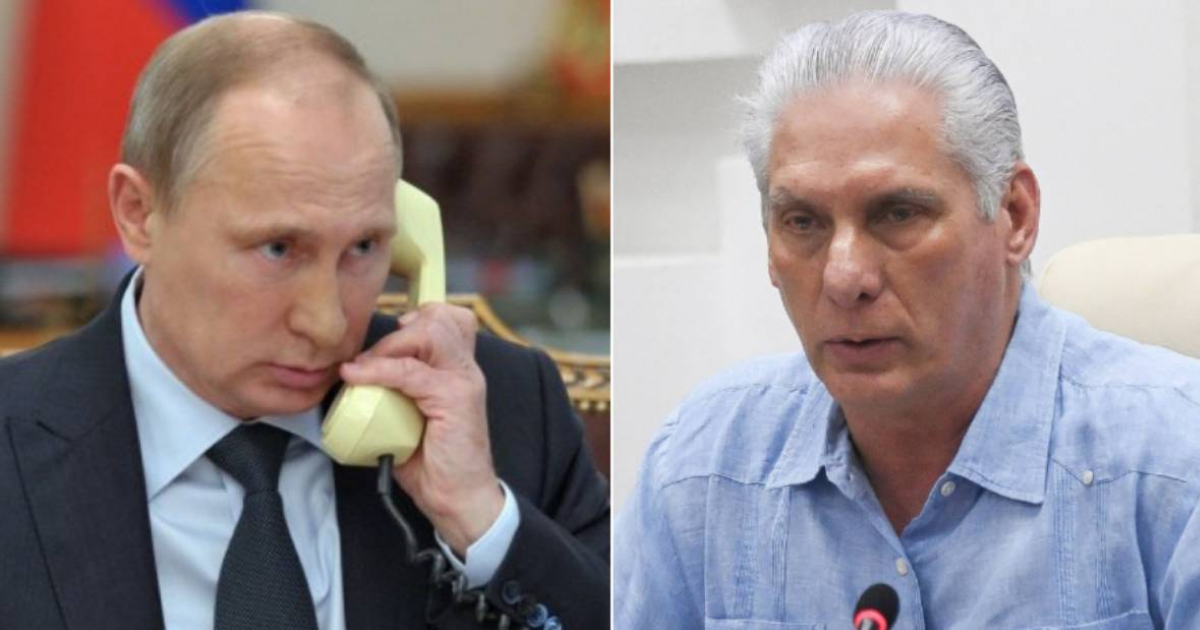
The recent disruptions in Russian oil exports, following attacks on critical infrastructure, underscore the limitations of Moscow's energy support to Cuba amid an increasingly intricate global landscape.
This week, Russian producers have raised concerns about potential delivery shortfalls from key Baltic Sea ports, which could impact a substantial portion of their export capacity.
Oilprice has reported that although rising global prices enable Russia to maintain high revenues, the decline in volume and logistical hurdles constrain its ability to uphold commitments to allies.
In this scenario, more profitable markets are often prioritized, leaving nations like Cuba in a vulnerable position within the supply chain.
Energy Alliance Under Strain
The progress of the oil tanker Anatoly Kolodkin toward the Caribbean coincides with a deployment of U.S. vessels in the region, aligning with Washington's policy to curb the flow of Russian crude to Cuba.
This situation demonstrates that Moscow's support does not ensure energy stability for the island, particularly amid converging military pressures, sanctions, and operational limitations.
The potential declaration of "force majeure" by Russian exporters underscores the uncertainty surrounding future oil supplies to Cuba.
For the government of Miguel Díaz-Canel, this translates into an increasingly precarious dependency at a time when the energy crisis is directly impacting the daily lives of the population and questioning the viability of the current model.
The last shipment of oil arrived in Cuba on January 9, shortly after the fall of Nicolás Maduro's regime. It came not from Venezuela but from Mexico. However, U.S. restrictions imposed that same month ended collaborations with that ally.
The Cuban regime's sole hope rested on Russian oil, but it remains to be seen if the Anatoly Kolodkin will be able to offload its cargo at the port of Matanzas.
Understanding Cuba's Energy Challenges
What factors are affecting Russian oil exports?
Russian oil exports are impacted by attacks on key infrastructure, potential delivery shortfalls from Baltic Sea ports, and logistical difficulties, despite high global oil prices.
How does this situation affect Cuba's energy supply?
Cuba faces increased vulnerability in its energy supply chain, as more profitable markets are prioritized and Russian support is limited by external pressures and logistical challenges.
What are the implications for Cuba's government and population?
The Cuban government, led by Miguel Díaz-Canel, is facing a growing energy dependency risk, which affects the daily life of its citizens and challenges the sustainability of the current regime.