Recent data from the U.S. Census Bureau highlights an unprecedented drop in net immigration to the United States between July 2024 and July 2025. The decline, amounting to 53.8%, saw numbers fall from 2.7 million to 1.3 million, largely attributed to the stringent immigration policies enacted by the Trump administration.
The effects are particularly pronounced in border areas and major urban centers. For instance, in Webb County, home to Laredo, Texas, immigration decreased by a staggering 95%; Los Angeles experienced a 67% reduction; and in San Diego, the immigrant population dwindled from 18,000 to just over 6,000 individuals.
Among the 387 metropolitan areas in the country, 310 saw slower immigrant growth, with 80% of counties reporting declines compared to 2024.
Overall, four out of ten counties—totaling 1,270 across the nation—experienced population losses during the period analyzed, marking a 20% increase from the previous year.
California was one of the hardest-hit states, losing a net 9,500 residents as its net immigration plummeted from 361,000 to 109,000 people.
Florida witnessed an 88% drop in internal migration, sliding from 183,000 people in 2023 to just 22,517 in 2025.
This downturn slowed the national population growth rate to 0.5%, equating to 1.8 million people, the lowest rate since the COVID-19 pandemic, as per Census data released this week.
The Brookings Institution estimates that net migration may have turned negative for the first time in over fifty years, ranging between -10,000 and -295,000 people in 2025, driven by approximately 310,000 to 315,000 expulsions.
It's estimated that about three million immigrants left the U.S. in 2025: 2.2 million through self-deportation and 675,000 through direct expulsions.
Over a million immigrants exited the labor market, impacting industries such as agriculture, construction, and services.
At the start of the fiscal year 2026, between October and December 2025, there were 91,603 domestic migration encounters, the lowest level ever recorded, 25% below the previous low in 2012.
In the southwest border region, detentions fell to 21,815, a 95% decrease from averages recorded during the Biden administration.
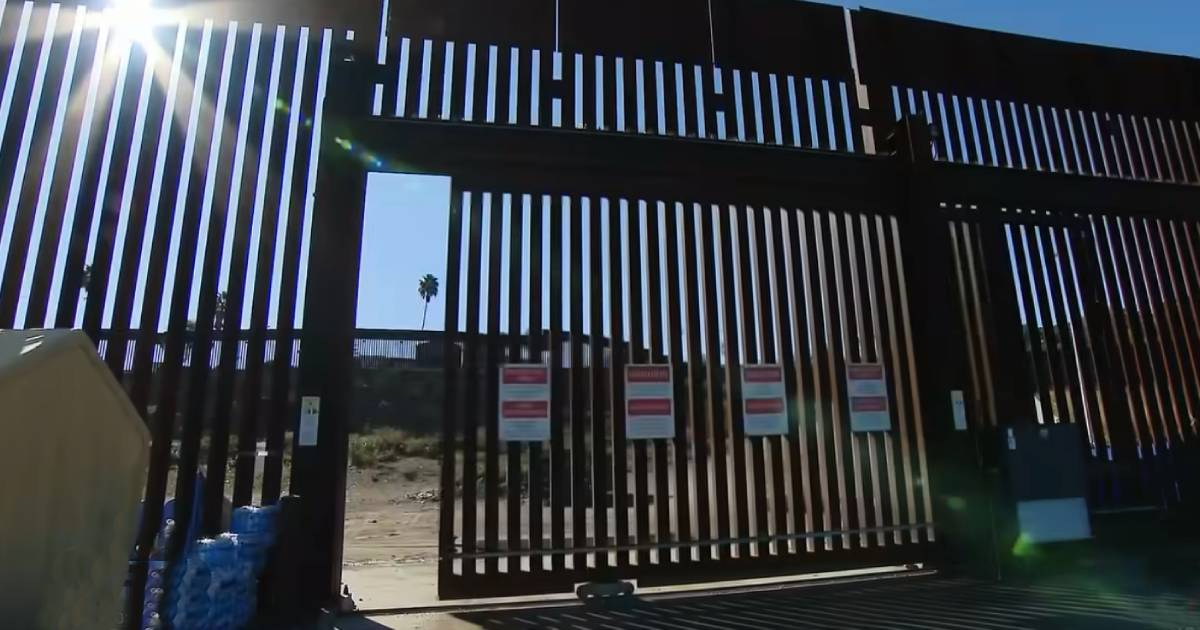
The second Trump administration, which began in January 2025, implemented sweeping measures from day one: nearly closing the border with Mexico, reducing visas, halting humanitarian programs, and launching massive deportation operations with the stated goal of one million expulsions annually.
Experts anticipate that this trend will persist. Census officials project that net migration will decline further to approximately 321,000 people by July 2026 if current conditions remain unchanged.
Key Impacts of U.S. Immigration Policy Changes
How have recent policies affected immigration numbers in the U.S.?
Recent U.S. policies have resulted in a historic decline in immigration, with net immigration numbers dropping 53.8% between July 2024 and July 2025.
Which areas in the U.S. have been most affected by these changes?
Border communities and large cities, such as Webb County in Texas, Los Angeles, and San Diego, have seen the most significant impacts, with immigration numbers drastically reduced.
What industries have been affected by the loss of immigrant labor?
The reduction in immigrant labor has impacted sectors like agriculture, construction, and services, as over a million immigrants have left the workforce.