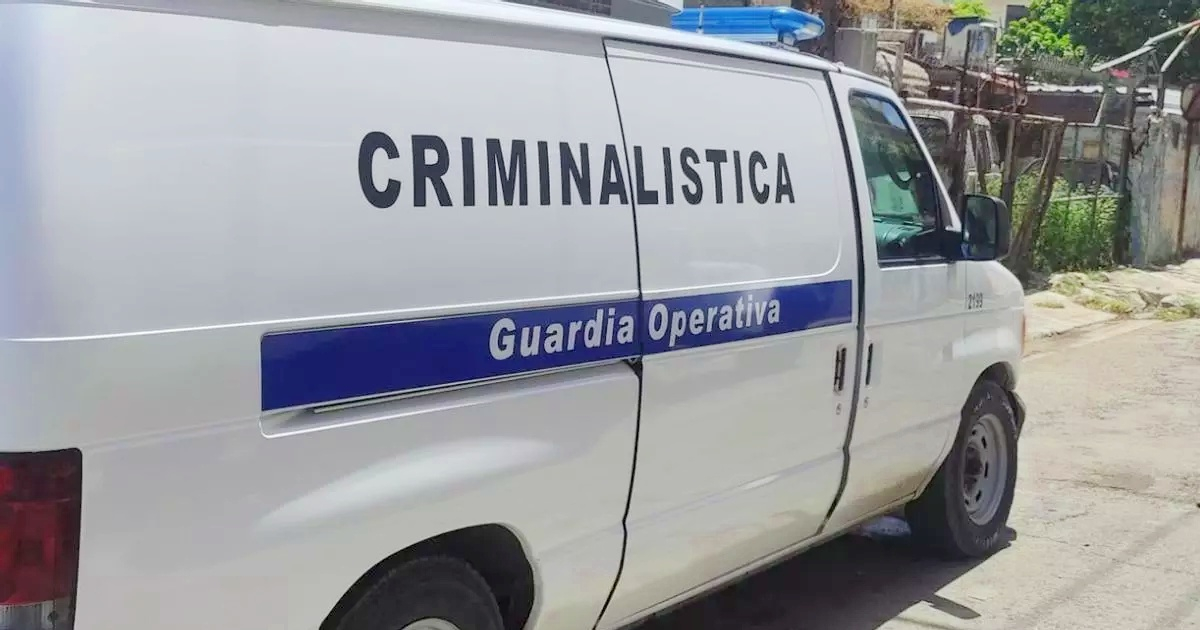
A 54-year-old Cuban woman named Maribel Batista Rodríguez was tragically killed by her former partner in Granma Province, as reported by the Alas Tensas Gender Observatory (OGAT) on social media.
The homicide occurred on March 14 in the Moscow neighborhood of Manzanillo municipality, according to OGAT's statement, which also expressed condolences to the victim's family and friends.
Challenges in Documenting Gender-Based Violence
The independent observatory emphasized the growing challenges in documenting such incidents in the country. They noted the increasing difficulty in verifying and compiling cases due to disconnections and power outages in Cuba. The observatory called for public assistance to gather more information, such as the possible existence of surviving children.
OGAT also highlighted that much of the data they collect remains undisclosed to protect their sources and ensure a minimum record that can shed light on femicide violence in Cuba, a phenomenon lacking systematic official statistics.
Rising Concerns Over Gender Violence
According to a joint report by OGAT and the Yo Sí Te Creo en Cuba (YSTCC) platform, as of March 25, there have been 13 femicides, 7 attempted femicides, and one gender-based murder of a man recorded.
“REPORTING THESE CRIMES IS NOT A CRIME,” the feminist organizations asserted, relying heavily on public reports and local testimonies to document these events.
Widespread Gender Violence Context
The case of Maribel Batista is not isolated. It adds to a series of recent incidents that have reignited concerns about gender violence on the island, including extremely serious crimes. This past Wednesday, the feminist observatories Alas Tensas and Yo Sí Te Creo en Cuba confirmed the violent death of a seven-year-old girl in Havana, categorized as child femicide. The minor was allegedly victimized by a neighbor, according to independent sources.
This case, which has caused immense public outcry, once again highlights the vulnerability of victims and the lack of effective protection mechanisms.
Repetitive Patterns in Femicide Cases
Analysis of documented cases by independent observatories reveals persistent trends in femicides in Cuba:
- In over 90% of cases, the perpetrator knew the victim, often as a partner or former partner.
- The primary setting for these crimes is the home or nearby areas.
- Weapons such as knives are the most frequently used means.
- A significant majority of cases involve high levels of cruelty.
These patterns align with the case of Maribel Batista Rodríguez, where the alleged aggressor had a prior relationship with the victim.
In Cuba, femicide—defined by UN Women as the murder of a woman based on gender—lacks public official statistics and a transparent recording system. This absence has compelled independent organizations to take on the responsibility of documenting these cases.
The observatories warn that these crimes occur amidst "the humanitarian crisis affecting Cuba, where the most vulnerable individuals are increasingly exposed." They also criticize the lack of effective prevention and protection policies and the inadequate institutional response to gender-based violence.
Understanding Femicide in Cuba
What is femicide?
Femicide is defined by UN Women as the murder of a woman because of her gender. It is a severe form of gender-based violence.
How are femicides documented in Cuba?
In Cuba, independent organizations like OGAT and YSTCC document femicides due to the lack of official public statistics and a transparent recording system.
What challenges do organizations face in documenting femicides?
Organizations face difficulties due to disconnections, power outages, and the need to protect their sources, which make verifying and compiling cases challenging.