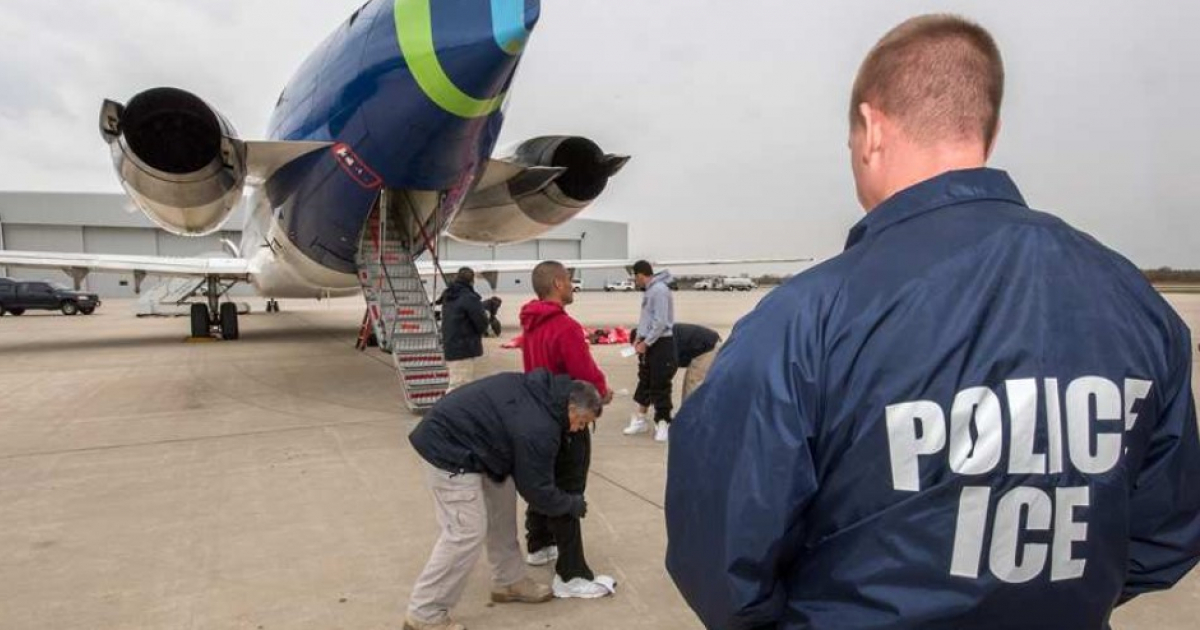
Costa Rica has entered into an arrangement with the United States to facilitate the relocation of foreign migrants to its territory. This initiative allows for the movement of up to 25 individuals per week as part of a joint effort to address migration challenges within the region.
According to a report from EFE, this non-binding agreement permits the Central American nation to independently accept or decline each case, ensuring decisions are made in accordance with its national laws.
President Rodrigo Chaves emphasized that this is a voluntary cooperation mechanism, where Costa Rica partners with the United States on critical hemispheric issues, while remaining dedicated to upholding human rights.
Temporary Legal Status and Financial Support
Upon arrival in Costa Rica, migrants will be granted temporary legal status as their situation is evaluated, offering them protection from potential deportation to countries where they might face danger.
The agreement also outlines that the United States will provide the necessary financial backing, with the International Organization for Migration offering assistance in terms of housing and food.
A Broader Strategy to Tackle Irregular Migration
This measure is part of a broader strategy by Washington to manage irregular migration in the region, working in collaboration with allied Central American countries.
Understanding the U.S.-Costa Rica Migration Agreement
What is the main goal of the U.S. and Costa Rica migration agreement?
The primary objective is to manage migration flows in the region by relocating up to 25 migrants weekly to Costa Rica, as part of a cooperative effort between the two countries.
How does the agreement ensure the protection of migrant rights?
Migrants will receive temporary legal status in Costa Rica, protecting them from deportation to countries where they could face risks, and ensuring their rights are respected.
Who provides financial and logistical support under this agreement?
The United States is responsible for financial support, while the International Organization for Migration helps with logistics, including housing and food for the migrants.