The administration of President Donald Trump is setting the stage for potential peace talks with Iran following weeks of military conflict. This development comes as the military offensive continues, with no clear end in sight.
According to sources from Axios, initial discussions have begun regarding a possible dialogue process, though recent direct contact between Washington and Tehran has been absent. Despite this, Trump has hinted at a diplomatic resolution, albeit without conceding to key Iranian demands, such as an immediate ceasefire or financial reparations.
Conditions for Negotiation
Trump's advisors are currently outlining the terms for a potential negotiation. The United States is expected to insist on the dismantling of Iran's nuclear program, limitations on its missile development, and an end to its support for allied groups in the region—terms that Iran has previously rejected.
International Mediation Efforts
Meanwhile, nations like Qatar, Egypt, and the United Kingdom have stepped in as intermediaries, conveying messages between the two sides in hopes of bridging the gap, though significant differences remain.
Within Trump's team, there is ongoing debate over who should be the appropriate Iranian counterpart and which country could serve as a neutral mediator if talks progress.
Strategic Implications
This strategic maneuver suggests that Washington is leveraging military pressure while keeping a diplomatic option on the table. The ongoing conflict has heightened tensions in the region, particularly impacting critical areas like the Strait of Hormuz.
This shift raises questions about the future direction of U.S. foreign policy, especially concerning other nations viewed as adversaries, amid a global landscape marked by geopolitical tensions and realignments.
Trump's Stance on Cuba
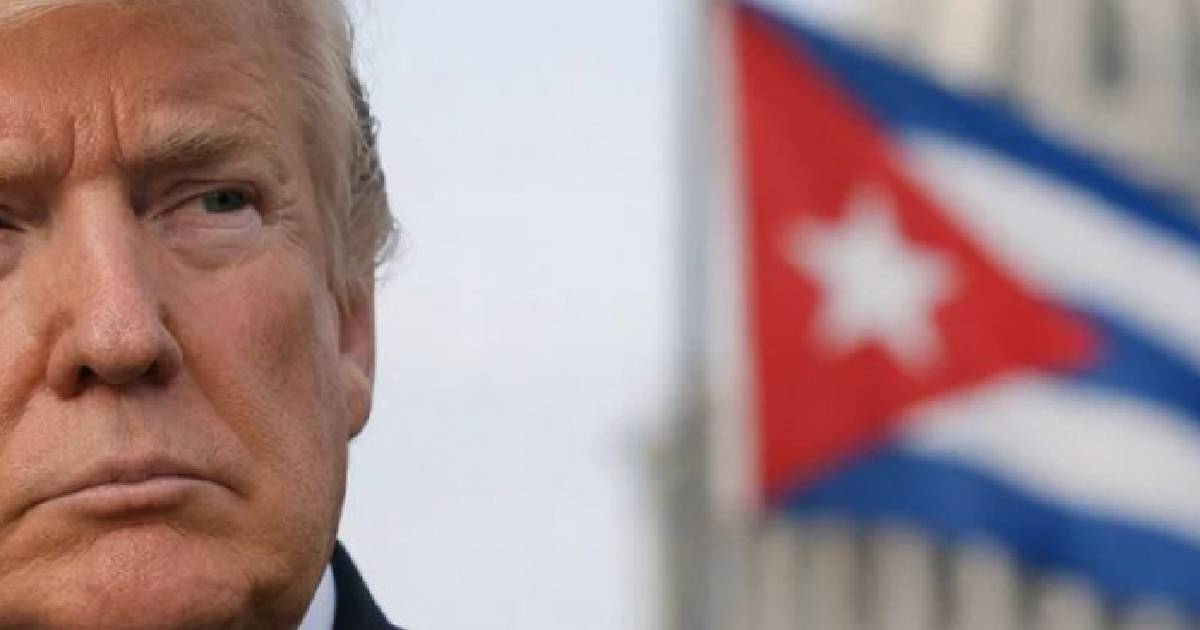
In a related development, Trump recently mentioned that his administration is engaged in discussions with Cuba. However, he emphasized that addressing the situation with Iran takes precedence over fully tackling issues related to the island nation.
During a press briefing, Trump stated, “We are talking to Cuba, but we will deal with Iran before Cuba,” underscoring that other international matters currently dominate the agenda.
The president also expressed hope for future progress concerning Cuba, noting that many Cuban exiles have long awaited change in their homeland.
Key Questions About U.S. and Iran Relations
What are the main U.S. demands in negotiations with Iran?
The United States demands include the dismantling of Iran's nuclear program, restrictions on missile development, and cessation of support for allied groups in the region.
Which countries are acting as intermediaries between the U.S. and Iran?
Countries like Qatar, Egypt, and the United Kingdom are serving as intermediaries, facilitating communication between the U.S. and Iran.
How does the conflict with Iran impact U.S. foreign policy?
The conflict with Iran poses strategic challenges and influences the U.S. approach to foreign policy, particularly regarding adversarial nations, while increasing regional tensions.