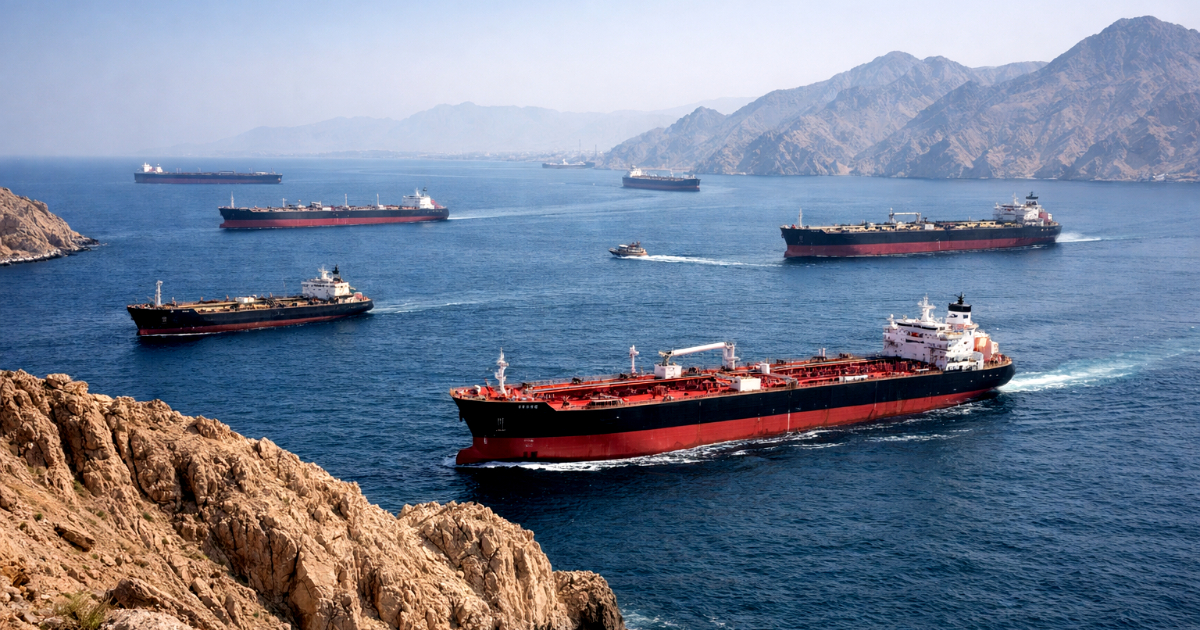
A coalition of 22 nations has called on Iran to immediately reopen the Strait of Hormuz, amid escalating tensions threatening maritime transit and the global energy supply.
The joint statement, released by the United Arab Emirates, is backed by major powers including the United Kingdom, France, Germany, Japan, Canada, and Australia, among others.
The signatories strongly condemned the recent attacks attributed to Tehran on unarmed commercial vessels in the Gulf, as well as actions targeting civilian infrastructure, including oil and gas facilities.
They also decried the effective closure of the Strait of Hormuz by Iranian forces, a crucial passage through which nearly a third of the world's oil trade flows.
"We urge Iran to immediately cease its threats, mine placements, drone and missile attacks, and any attempts to block commercial navigation," the statement declared.
The countries further urged Tehran to comply with UN Security Council Resolution 2817 and to impose an "immediate and complete moratorium" on attacks on civilian infrastructure.
Tensions escalated this week after Iran launched missiles at the industrial city of Ras Laffan in Qatar, home to the world's largest natural gas export plant. This attack marks a new phase in the conflict and raises international concerns about its impact on energy markets.
While the joint declaration does not imply immediate intervention, it heightens international pressure on Tehran and leaves open the possibility of measures to ensure maritime security in the area, such as naval escorts, mine-clearing operations, or limited military deployments.
Meanwhile, the impact on energy markets is already being felt: the Strait of Hormuz channels nearly a third of the world's oil trade, so any disruption or threat sends price volatility soaring.
Although releasing strategic reserves and potentially increasing production could cushion the blow, analysts warn that sustained escalation could lead to significant global crude price hikes.
In this context, the signatories warned that Iranian actions will have global repercussions, particularly affecting the most vulnerable countries by disrupting supply chains and price stability. In response, the International Energy Agency has authorized the coordinated release of strategic oil reserves to mitigate the impact.
Additionally, the countries expressed their willingness to contribute to ensuring maritime security in the area and to collaborate with other nations to stabilize energy markets, including increasing production.
The Strait of Hormuz, considered a critical chokepoint in international trade, once again becomes the focal point of a crisis threatening global security and economic stability across multiple regions.
Impact of Tensions in the Strait of Hormuz
Why is the Strait of Hormuz important for global trade?
The Strait of Hormuz is a vital passage as it facilitates the transit of nearly one-third of the world's oil trade, making it a critical link in global energy supply chains.
What are the potential global consequences of Iran's actions?
Iran's aggressive actions could disrupt supply chains and destabilize oil prices globally, impacting especially vulnerable countries and leading to economic instability.
How are countries responding to the situation in the Strait of Hormuz?
Countries are increasing diplomatic pressure on Iran, considering measures like naval escorts and strategic oil reserve releases to maintain energy market stability and maritime security.