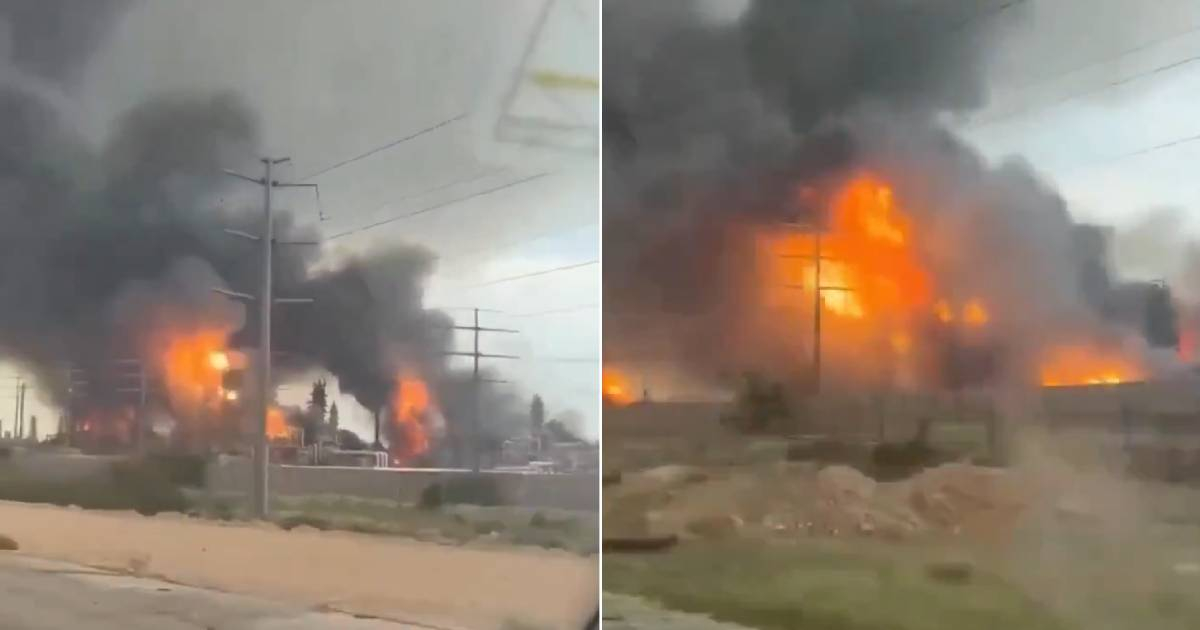
The recent Israeli strike on South Pars, the world's largest gas field located in Iran, has ignited a fresh escalation in the Middle East, significantly impacting international energy markets.
In retaliation, Iran launched missiles targeting energy infrastructures in Qatar and Saudi Arabia, further heightening tensions in a region crucial to the global oil and gas supply.
As a result, energy prices have surged, with Brent crude, the global benchmark, reaching $115 per barrel, signaling fears of supply disruptions, according to CNN.
Trump's Condemnation and Warning
Former President Donald Trump criticized Israel's actions, stating that the United States was not informed in advance of the attack.
"Israel has violently attacked a significant facility known as the South Pars gas field in Iran," he posted on Truth Social.
Trump emphasized that Qatar, which shares the field with Iran where it is called North Dome, was not involved in the offensive.
However, he issued a stern warning to Tehran: if attacks on Qatari energy installations continue, the United States is prepared to "completely obliterate" the South Pars field.
Although he expressed reluctance to authorize such "violence and destruction" due to long-term implications, he made it clear he would not hesitate to act if Iranian retaliations persist.
Threats to Global Supply
The ongoing conflict directly threatens one of the most sensitive points in the global energy market. South Pars/North Dome holds some of the world's largest reserves of natural gas and is crucial for exporting liquefied natural gas (LNG), particularly from Qatar.
The military escalation not only heightens the risk of supply interruptions but also puts upward pressure on oil and gas prices, potentially affecting inflation and the global economy.
This recent incident underscores how the Middle East conflict remains a critical factor in global energy stability, with immediate repercussions extending beyond the region.
Impact of Middle East Tensions on Global Energy Market
How does the conflict in the Middle East affect global energy prices?
Conflicts in the Middle East can disrupt the supply of oil and gas, leading to increased prices due to fears of shortages. This region is a critical supplier of energy resources to the world, so any instability can have significant global economic impacts.
What are the potential global economic consequences of rising energy prices?
Rising energy prices can lead to higher inflation, increase the cost of goods and services, and slow down economic growth. This can affect consumers and businesses worldwide, potentially leading to economic instability.
Why is the South Pars/North Dome gas field significant?
The South Pars/North Dome gas field is one of the largest natural gas reserves in the world. It plays a crucial role in the production and export of liquefied natural gas (LNG), particularly benefiting Qatar's economy and the global energy market.