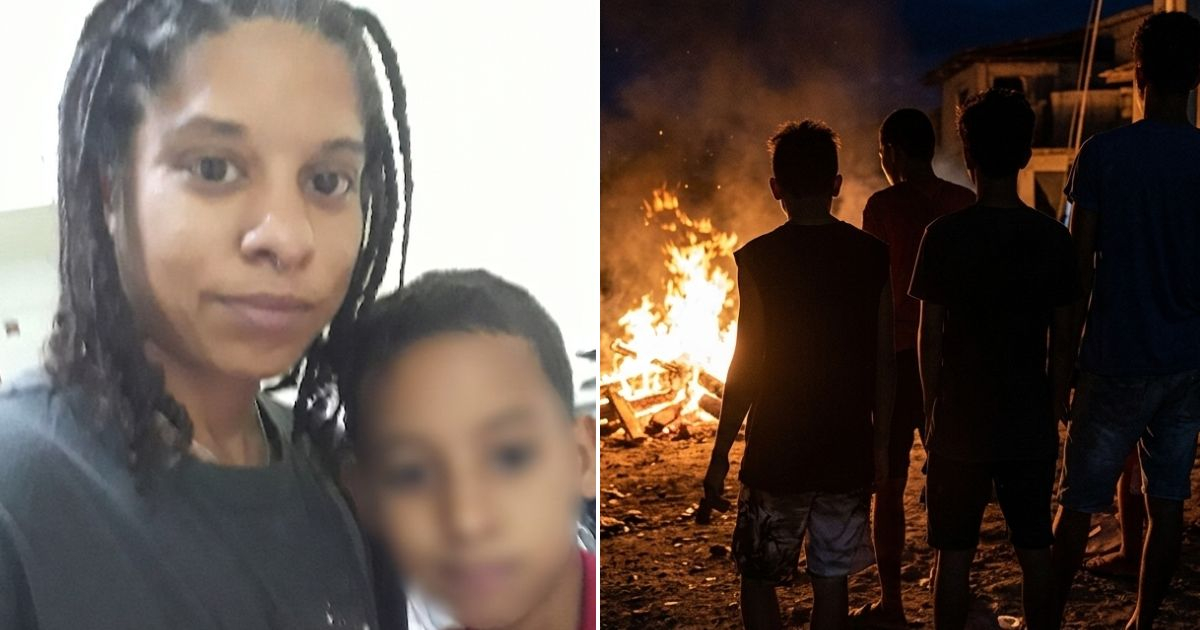
A Cuban mother named Zea Gisselle has taken to social media to voice her concerns about the heightened surveillance and pressure following protests in the Zamora neighborhood of Marianao, Havana.
In a detailed post on Facebook, she described how the neighborhood has been under constant patrol by police and State Security agents since the protest, with local authorities visiting the homes of families involved in the demonstrations.
According to her account, municipal government officials visited the homes of mothers who participated in the protest, delivering food—a gesture she perceived as a form of control and public exposure, as the women were filmed during these visits.
She also claimed that several of these women were later summoned for interviews, during which they were warned against joining future protests, particularly those who are more vulnerable.
The mother criticized the stigmatization of local residents, asserting that they are labeled as criminals despite being citizens struggling with hunger, scarcity, and poverty.
Her testimony also questions the educational system after a teacher reprimanded her for attending the protest with her son, in a situation she described as plagued by a lack of basic resources and social decay.
"We come from this neighborhood and demand our rights, but we are not criminals," she emphasized, defending the peaceful nature of the demonstration and the citizens' right to advocate for better living conditions.
Understanding the Marianao Protests
What triggered the protests in Marianao?
The protests in Marianao were sparked by the dire living conditions, including hunger, scarcity, and overall poverty, that the residents have been facing.
How have authorities responded to the protests?
Authorities have increased police and State Security presence, conducted home visits, and summoned participants for interviews where they were warned against future protests.
What are the concerns of the protesters?
Protesters are concerned about being unfairly labeled as criminals and are demanding their rights and better living conditions amidst challenging economic circumstances.