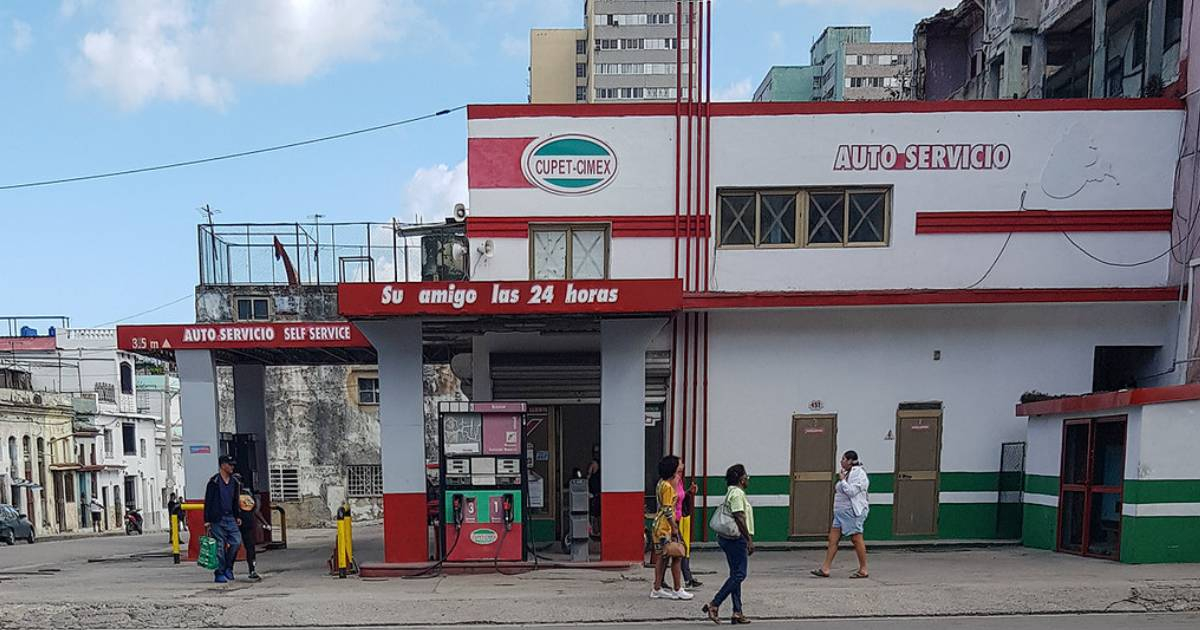
In the midst of one of the most severe energy crises Cuba has faced in years, a Russian oil tanker may soon be en route to the island. This crisis is characterized by frequent blackouts, fuel shortages, and a worsening of everyday life for millions of Cubans.
As reported by Bloomberg, the vessel Anatoly Kolodkin is carrying over 700,000 barrels of Russian crude oil and is expected to arrive at the port of Matanzas by the end of March. If successful, this would mark the first significant fuel shipment to Cuba in at least three months.
Impact of Fuel Shortage on Cuban Life
The potential arrival of this shipment comes at a critical time. The lack of oil has led to extended blackouts, the halt of public transportation, and worsened food shortages, severely impacting daily life on the island.
Since the beginning of 2026, the situation has worsened due to increased sanctions and a blockade on oil shipments, leaving Cuba nearly cut off from its main suppliers.
Chain Reaction of Energy Deficiency
Without sufficient fuel, Cuba faces a domino effect: hospitals struggle to function, water supply is disrupted, garbage piles up, and the economy continues to suffocate.
Concurrently, public dissatisfaction has become more apparent. In recent weeks, protests and pot-banging demonstrations have erupted across various parts of the country, particularly in Havana, where residents have taken to the streets after enduring days without electricity.
Public Unrest and Potential Consequences
These protests, now a recurring phenomenon, highlight the growing frustration of a population burdened by economic hardship, shortages, and persistent blackouts. Analysts warn that without structural solutions, the situation could further escalate.
Although the arrival of Russian oil might offer some relief, experts caution that its impact won't be immediate. The crude must be refined before use, a process that could take weeks, during which the island will continue to deplete its limited reserves.
Moreover, there are ongoing concerns about whether the oil will reach its destination. Caribbean restrictions have deterred other vessels in recent months, leaving Cuba on the brink of an energy collapse.
Meanwhile, Cubans continue to endure power outages that can last for hours—or even longer—in a situation many describe as dire, further deepening the humanitarian crisis on the island.
Frequently Asked Questions about Cuba's Energy Crisis
What is causing the current energy crisis in Cuba?
The crisis is primarily due to a shortage of oil, exacerbated by increased sanctions and a blockade on oil shipments, leaving Cuba without access to its main suppliers.
How is the energy shortage affecting daily life in Cuba?
The shortage has led to prolonged blackouts, halted public transportation, worsened food shortages, and has severely impacted healthcare and sanitation services.
Will the Russian oil shipment resolve the crisis?
While the shipment may provide temporary relief, it's not an immediate solution as the crude oil needs to be refined, a process that could take weeks.