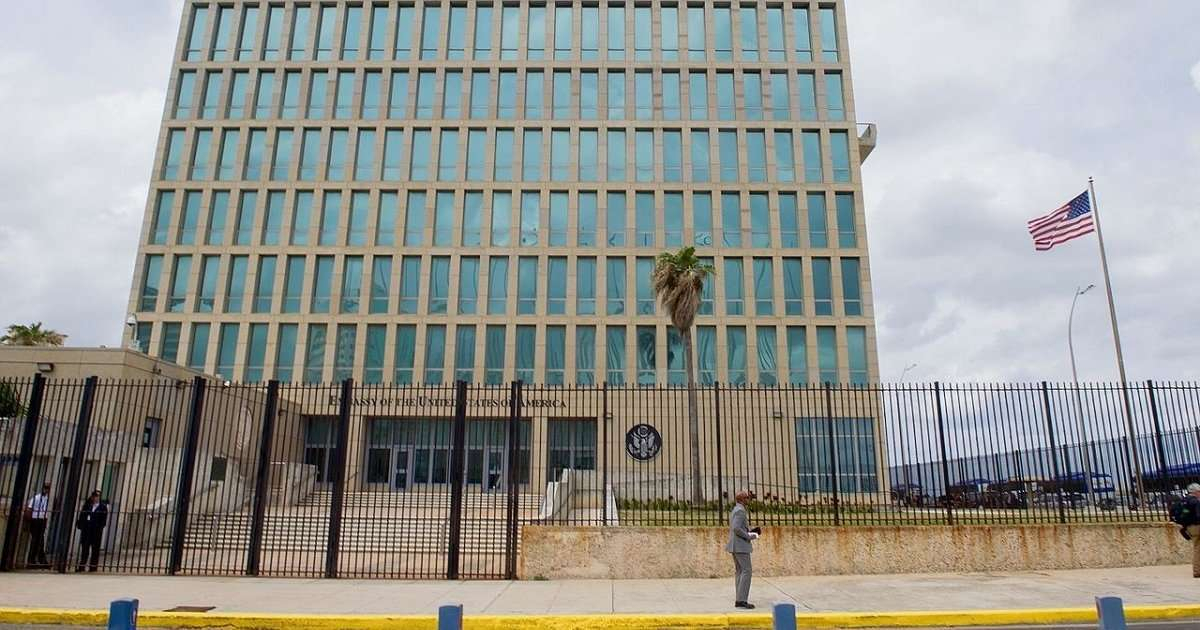
The United States Embassy in Havana issued a security alert on Monday regarding a nationwide power outage that impacted Cuba, including its capital. The embassy warned that there was no available information on when the electrical service would be restored.
Through its social media channels, the embassy reported that at 1:54 p.m. local time, a "disconnection from the national power grid" resulted in a "total power outage," affecting metropolitan Havana as well.
This situation highlights the persistent deterioration of Cuba's energy infrastructure. According to the embassy, the national electrical grid is "increasingly unstable," with both scheduled and unscheduled outages becoming a daily occurrence across the country, including in Havana.
The alert emphasized that these disruptions have a direct impact on essential services such as water supply, lighting, refrigeration, and communications.
In response to this scenario, the diplomatic mission advised individuals to take specific precautions to manage significant interruptions. These include conserving fuel, water, food, and keeping mobile phones charged, as well as preparing for extended power outages.
In its recommended actions, the embassy urged people to check daily updates from the Unión Eléctrica (UNE) and follow their social media accounts. It also suggested tuning into Radio Reloj 101.5 FM and other local media, while maintaining contact with family and friends.
The advisory further included a practical guide for household preparation in the event of a power outage. The embassy recommended keeping mobile phones and portable batteries charged, having flashlights and spare batteries in an accessible place, storing non-perishable food and water, and planning alternative methods for medical needs that depend on electricity, such as medical devices or refrigerated medications.
Additionally, the embassy encouraged U.S. citizens to enroll in the Smart Traveler Enrollment Program (STEP) at step.state.gov to receive updates from the embassy. The document also provided its assistance channels, including the phone number +(53) (7) 839-4100 with after-hours call instructions, the email acshavana@state.gov, and its consular information WhatsApp channel.
Massive Blackout in Cuba
On Monday, Cuba experienced a complete disconnection of its National Electric System (SEN), with no clear cause identified at the time of the official report. The UNE stated on Facebook that "no malfunctions have been reported in any of the thermal units that were operational at the time of the SEN disconnection," while the Ministry of Energy and Mines indicated that the causes of the collapse remain under investigation.
The total system failure was confirmed by the UNE, which announced: "A total disconnection of the National Electric System occurred. Protocols for restoration are being implemented. We will continue to provide updates."
This official confirmation placed the country in a widespread blackout following a day already marked by severe electrical disruptions nationwide. Subsequently, the UNE informed that microsystems are beginning to function in various areas of the country, and that Energás has a generating unit back in service.
The most notable detail from the latest official report is that, according to UNE, the collapse was not linked to the malfunction of any thermal power plants that were online at the time.
Understanding Cuba's Power Outages
What caused the nationwide power outage in Cuba?
The exact cause of the power outage is still under investigation, but initial reports indicate that it was not due to a malfunction in the operating thermal power plants.
How is the U.S. Embassy advising residents during the outage?
The U.S. Embassy is advising residents to conserve resources, stay informed through official updates, and prepare for extended outages by keeping essential items like food, water, and batteries readily available.
What are the impacts of the power outage on essential services?
The power outage affects essential services such as water supply, lighting, refrigeration, and communications, posing significant challenges to daily life in affected areas.