In a bid to tackle the severe economic crisis plaguing the nation, the Cuban government has hinted at a potential policy shift that would enable Cuban expatriates to invest and own businesses on the island. This move is part of the government's broader efforts to attract capital necessary for sustaining key sectors of the economy.
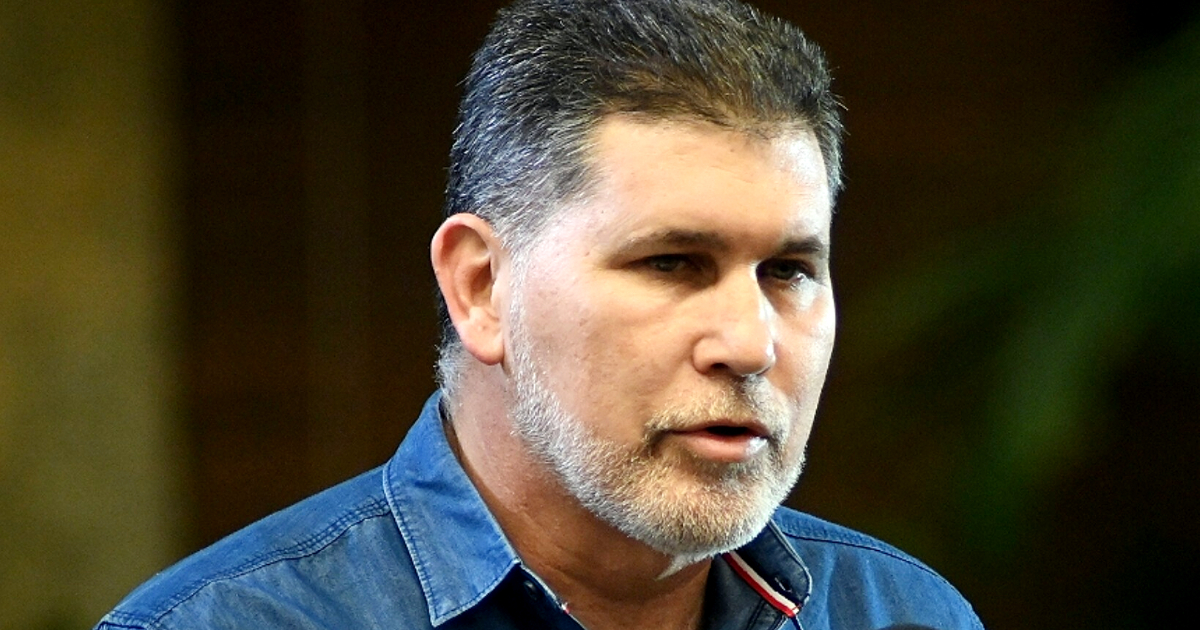
Óscar Pérez-Oliva Fraga, the Vice Prime Minister and Minister of Foreign Trade and Foreign Investment, announced that Havana is eager to expand economic relations with both U.S. companies and Cubans residing abroad.
"Cuba is open to establishing smooth commercial relations with U.S. companies, and also with Cubans living in the United States and their descendants," Pérez-Oliva Fraga stated in an interview with NBC News.
He further explained that this openness extends beyond mere trade, encompassing the possibility of making direct investments in Cuba. "This involves not just small-scale investments but also significant investments, particularly in infrastructure," he added.
If implemented, this initiative would signal a considerable shift in the regime's economic policy towards the Cuban diaspora, which has long been effectively barred from participating as investors in the national economy.
Historically, while the Cuban government has allowed expatriates to send remittances or family aid, it has consistently blocked direct ownership of businesses within the country.
Recently, President Miguel Díaz-Canel hinted at upcoming measures aimed at enhancing the involvement of Cubans living abroad in the country's economic development. According to him, the objective is to facilitate their participation in economic growth.
Appointed by Raúl Castro in 2018, Díaz-Canel mentioned that the authorities have conducted numerous meetings with diaspora members across various parts of the world to gather proposals, concerns, and suggestions on how they could contribute to the national economy.
These consultations, organized by the Ministry of Foreign Affairs and the Ministry of Foreign Trade, have been reviewed by the regime's political leadership to assess their viability.
The regime's softened stance towards the exiled community is notable given the years of official hostility. Cuban authorities have frequently accused exile sectors of orchestrating campaigns against the island's political system.
Díaz-Canel himself sparked controversy in 2018 when he labeled certain Cuban expatriates as "wrongly born" for allegedly acting against the country.
This potential policy shift comes at a particularly challenging time for Cuba's economy, which is grappling with one of its deepest crises in decades. The nation faces acute food shortages, prolonged blackouts, deteriorating energy infrastructure, and a significant migratory wave.
Amidst these challenges, the government seeks to boost strategic sectors such as tourism, mining, and the modernization of the electrical system, all of which require substantial investment.
In recent years, Cuban authorities have also promoted the creation of micro, small, and medium-sized enterprises (SMEs) as part of a limited opening to private enterprise, although the state retains control over major economic sectors.
Addressing the country's economic difficulties, Pérez-Oliva Fraga reiterated the regime's official narrative, attributing the issues to U.S. sanctions, which he claimed restrict Cuba's access to financing, technology, markets, and fuel supplies.
Nevertheless, experts caution that any attempts to attract foreign investment will face significant hurdles, including the lack of legal safeguards for investors, existing legal restrictions, and persistent distrust among many in the Cuban exile community.
Should the government proceed with the newly announced measures, it would mark one of the latest attempts by the regime to leverage diaspora capital to mitigate the severe economic crisis facing the island.
Frequently Asked Questions About Cuban Investment Opportunities for Expatriates
What changes is the Cuban government considering for expatriates?
The Cuban government is considering allowing expatriates to invest and own businesses in Cuba, marking a significant policy shift aimed at involving the Cuban diaspora in the island's economic development.
Why is Cuba seeking investments from expatriates?
Cuba is experiencing a severe economic crisis, characterized by food shortages, energy infrastructure problems, and a high rate of emigration. The government is seeking investments from expatriates to bolster key sectors and stimulate economic growth.
What sectors might benefit from expatriate investments in Cuba?
Expatriate investments could potentially benefit sectors such as tourism, mining, and the modernization of Cuba's electrical system, all of which require significant financial input.