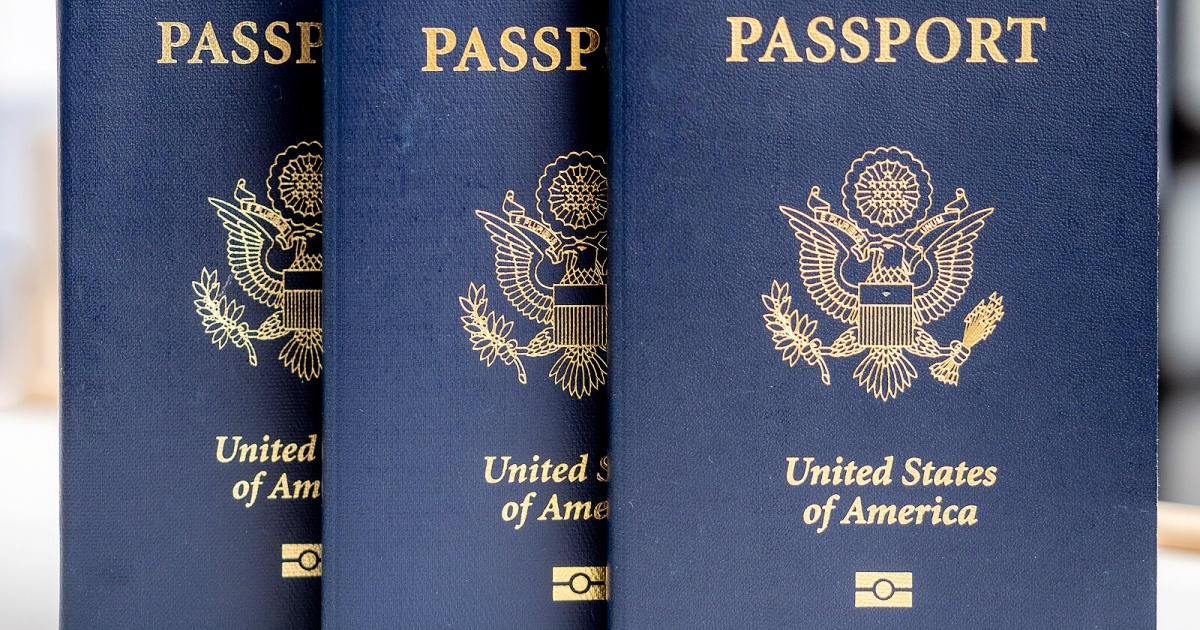
The U.S. Department of State has announced a dramatic reduction in the fee required to formally renounce American citizenship.
According to a final rule published on Friday in the Federal Register, the official journal of the federal government, the fee has been slashed from $2,350 to $450, marking an approximate 80% decrease.
This new policy, effective immediately as of Friday, reinstates the fee level that was initially set by the federal government when the charge was first introduced in 2010.
The promise to reduce the fee was made by the State Department in 2023 but had not been officially enacted until now.
As reported by the Associated Press, this decision follows years of legal battles and pressure from groups representing American citizens living abroad. Many of these individuals have sought to relinquish their nationality due to tax obligations and other administrative burdens.
The Rigorous Process of Renouncing U.S. Citizenship
Relinquishing U.S. citizenship is not an immediate procedure. It involves several formal steps with consular officials from the Department of State. Applicants must repeatedly confirm, both in writing and verbally, that they understand the legal ramifications of their decision. Only after these confirmations are they allowed to take a formal oath of renunciation, which then requires review and approval by the State Department.
The Controversial Fee's Origins
The charge for renouncing U.S. citizenship wasn't always so high. In 2015, the State Department raised the fee from $450 to $2,350, citing the need to cover administrative expenses related to the process. This increase coincided with a surge in the number of Americans seeking to give up their citizenship.
The rise in fee was largely driven by new tax reporting requirements for Americans living overseas, which stirred significant discontent among expatriates. The steep cost prompted criticism from several organizations, including the Association of Accidental Americans, based in France. This group primarily represents individuals who hold U.S. citizenship solely by virtue of birth in the country but have spent most of their lives outside the United States.
The organization has pursued multiple lawsuits against the U.S. government, challenging the legality of the fee. One ongoing lawsuit argues that there should be no charge at all for renouncing citizenship.
Reactions to the Fee Reduction
The association has welcomed the State Department's decision, viewing it as a step forward in defending the rights of those who wish to relinquish their U.S. citizenship. "The Association of Accidental Americans applauds this decision, which acknowledges the necessity of making this fundamental right accessible to all. This victory is the direct result of six years of tireless legal action and advocacy," stated its president, Fabien Lehagre, in a release.
According to the organization's court submissions, at least 8,755 Americans paid the full fee of $2,350 to renounce their citizenship since the government announced in 2023 that the cost would be lowered. However, the State Department has not provided official figures on the total number of Americans who have renounced their citizenship in recent years.
Understanding the Fee Reduction for Renouncing U.S. Citizenship
Why did the State Department reduce the fee for renouncing U.S. citizenship?
The fee reduction was made to address years of legal disputes and pressure from groups representing Americans living abroad, many of whom are burdened by tax obligations and other administrative requirements.
What was the previous cost to renounce U.S. citizenship?
Previously, the cost to renounce U.S. citizenship was $2,350, which was raised from $450 in 2015 to cover administrative expenses.
What are the steps involved in renouncing U.S. citizenship?
Renouncing U.S. citizenship involves several steps, including multiple confirmations of understanding the legal consequences, taking a formal oath of renunciation, and obtaining approval from the Department of State.