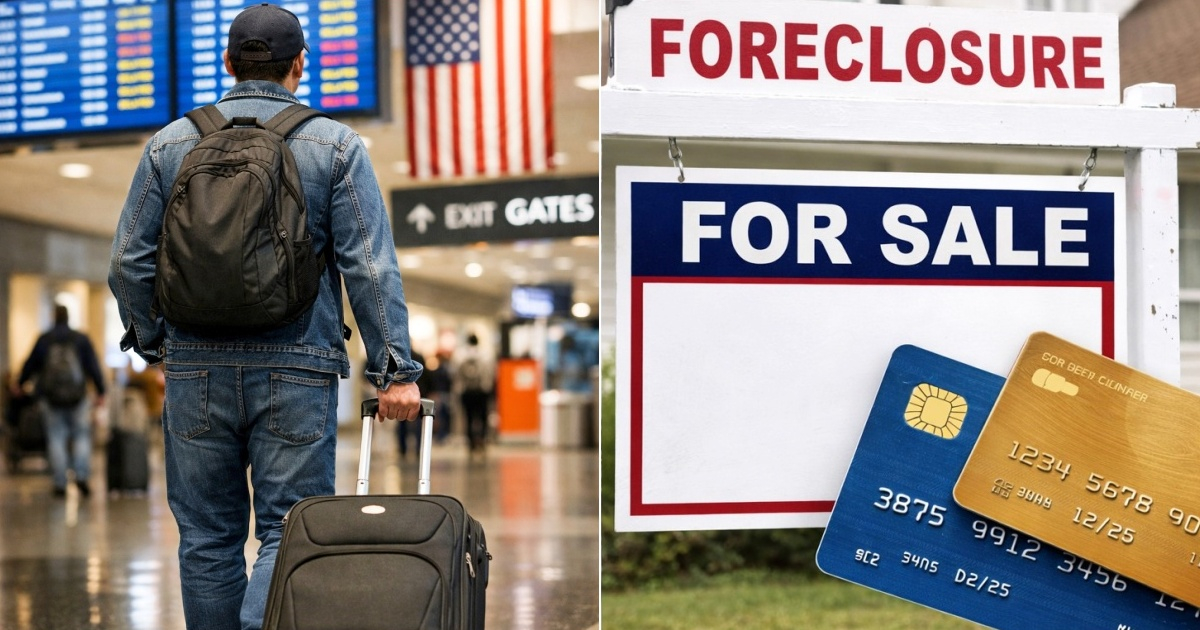
Haim Vásquez, an immigration attorney from the Haim Vásquez Legal Group based in Dallas and Irving, Texas, has issued a stark warning that leaving the United States—whether due to deportation, loss of status, or personal choice—does not automatically absolve individuals of their financial obligations incurred in the country.
This cautionary message comes at a time when thousands of migrants, including a significant number of Cubans, are under pressure to exit the U.S.
Financial Obligations Persist Despite Departure
Vásquez emphasized, "An immigration issue does not automatically grant forgiveness of debts." He highlighted that credit card balances, personal loans, mortgages, and other financial liabilities remain enforceable regardless of the debtor's immigration status.
Adding to this, he warned, "Any property left behind in the country could be seized through legal proceedings by creditors." While the Fourth Amendment protects private property from government seizure, creditors can initiate civil actions like liens, foreclosures, or repossession if payments lapse.
Impact on Credit and Barriers to Reentry
Unpaid debts can also tarnish credit records with agencies like Equifax or TransUnion, potentially hindering future visa applications, Green Card requests, or attempts to reenter the country. Many are unaware of how financial woes can affect immigration processes.
Banks might also freeze or close accounts if they detect that the account holder has relocated abroad, complicating financial management from a distance. Child support arrears, too, remain enforceable after deportation and can impact citizenship applications.
ICE Fines: Another Financial Threat
In addition to private debts, those with pending deportation orders face another challenge: ICE can levy fines of up to $998 a day under the Immigration Act of 1996, a practice revived during the Trump administration. These fines can accumulate over five years, exceeding a million dollars, and serve as pressure for self-deportation.
By June 2025, ICE had issued over 10,000 such fines. Failure to pay can lead to the Department of Justice seizing assets, garnishing wages, and withholding tax refunds. There have been reports of Cubans facing fines amounting to hundreds of thousands of dollars, including a Hispanic individual fined $1,771,450 in May 2025 for two decades of non-compliance.
Essential Steps Before Leaving the U.S.
Experts unanimously advise meticulous pre-departure planning. Recommendations include inventorying all assets, preparing a power of attorney for a trusted U.S. representative, arranging bank transfers, negotiating payment plans with creditors, and considering selling or renting out properties.
Deported migrants with U.S. assets often find themselves in a legal limbo that can last for years. Consulting an immigration attorney before using the CBP Home app—the voluntary self-deportation program introduced by the Trump administration offering up to $2,600 plus a free flight—is crucial. Migrants may inadvertently forgo legal rights without fully understanding the protections available to them, as warned by the National Immigration Law Center (NILC).
The story of Willy Salazar, deported after nearly three decades in Texas, illustrates the potential limbo: he left behind a house he built but cannot sell or transfer it without navigating embassy appointments from abroad, a process that could drag on indefinitely.
Firsthand accounts, like that of a Cuban who self-deported to Mexico after four years in the U.S., highlight the complexity of these circumstances.
Understanding the Legal and Financial Implications for Migrants
What happens to debts when a migrant leaves the U.S.?
Debts such as credit card balances, personal loans, and mortgages remain enforceable irrespective of the debtor's immigration status. Creditors may pursue legal actions to recover these debts.
Can ICE fines be avoided by leaving the U.S.?
No, ICE fines can accumulate and reach substantial amounts if unpaid. They are part of a strategy to encourage self-deportation and can lead to asset seizures and wage garnishments if ignored.
How can unpaid debts affect future immigration plans?
Unpaid debts can damage credit history, which may become a barrier in visa or Green Card applications, and even reentry into the U.S. Financial issues can complicate immigration procedures significantly.