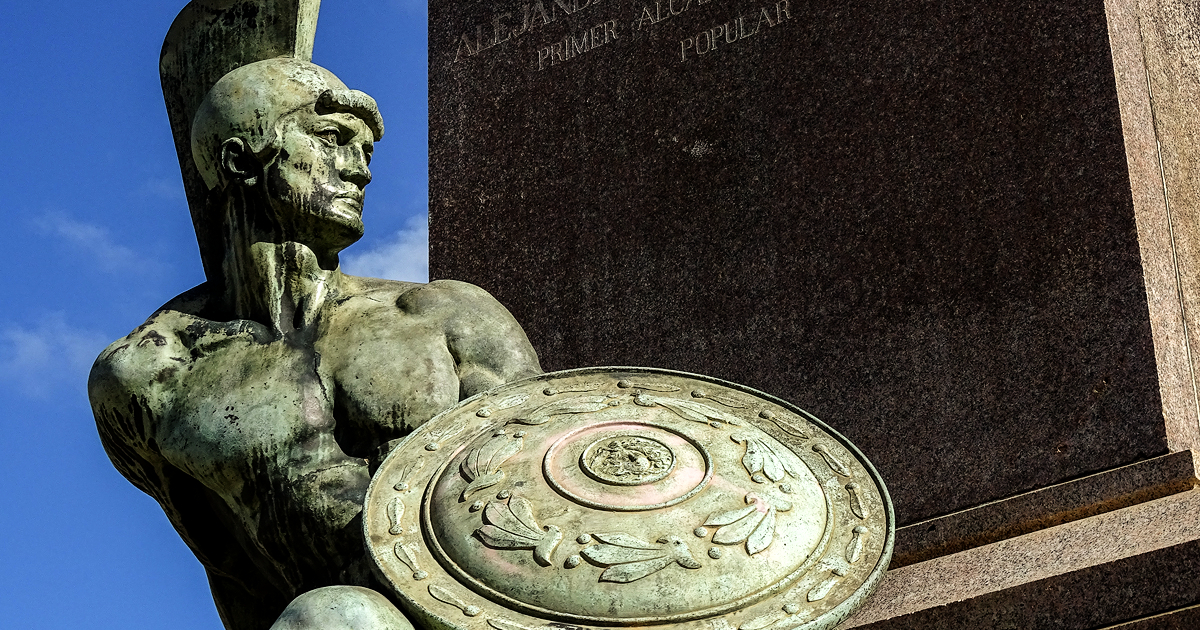
History shows that during political transitions, armed forces are seldom neutral. They often face a crucial choice: to cling to decades-long power or evolve into a professional body serving a new democratic order.
Cuba is on the brink of such a dilemma. Amid speculation about potential U.S.-Cuba talks and the ensuing political landscape on the island, a critical question arises: What role will the Cuban military play if the political system undergoes transformation?
The Military's Dual Role in Cuba's Economy and Politics
For over six decades, the Cuban military has been a cornerstone of the regime's power. The Revolutionary Armed Forces have not only ensured the regime's stability through military means but have also become a dominant economic player in the country.
Through conglomerates like GAESA, the military controls significant sectors of the Cuban economy, including tourism, commerce, port infrastructure, logistics, financial enterprises, and a large portion of the nation's foreign exchange. This setup exemplifies the militarization of the economy in contemporary times.
Decisions Facing the Cuban Armed Forces
The future of Cuba's political landscape largely hinges on the choices made by its military in times of change. The Cuban army can either remain the final bastion of an exhausted political system or transform itself into a professional institution that ensures a peaceful transition to a new political order.
If Cuba embarks on this new path, several pivotal decisions will have to be made. Firstly, there must be a clear definition of who the military serves. Historically, the army has been closely linked to the Castros and the so-called "Revolution." During a political transition, this relationship would need a radical overhaul. The military should clarify that its role is to safeguard the country's security and the rights of its citizens, not to protect the interests of a family, a political elite, or a single party.
Transforming Military Identity and Role
This transformation is not just political but also institutional and symbolic. A simple gesture, like renaming the Revolutionary Armed Forces to the Republic's Armed Forces, could signify the beginning of this shift. Such a change would mark a transition from being an instrument of power to becoming a state institution, committed to the nation and its people.
The army's role must move beyond symbolism. Dismantling the repressive apparatus that has controlled Cuban political life for decades is essential. Institutions like State Security and political counterintelligence, designed to suppress dissent, cannot survive in a climate of political openness. A transition process demands civil liberties, incompatible with structures meant for repression.
Overhauling Economic Control and Embracing Transparency
The military's economic arm, managed through GAESA, constitutes a significant portion of Cuba's national economy. Operating with an opacity incompatible with democratic systems, any transition would necessitate a thorough and transparent audit of this enterprise.
The military should not interfere but rather facilitate this process, providing all necessary information to civil authorities—provisional or otherwise—to clarify GAESA's financial structure, open its accounts, and integrate these assets into the national patrimony. Under no circumstances should these assets become private property through proxies or other means.
Once this economic situation is clarified, many of these enterprises could engage in an open economic process, where private, national, and foreign capital plays a pivotal role in rebuilding the country. However, for this process to gain credibility, the military should permanently withdraw from direct economic management.
Ensuring Democratic Progress through Military Professionalization
The militaries of democratic states do not manage hotels, shipping lines, or commercial chains. Their purpose is to ensure national security, not to lead the economy. This transition would also require a generational renewal within the military. Many senior officers have long been intertwined with the current power structure. Transitioning will need a gradual renewal of this leadership, the professionalization of the army, and its effective subordination to democratically elected civil authorities.
Though challenging, history demonstrates that political transitions are possible when militaries recognize their role is not to hinder change but to ensure it occurs peacefully and without institutional chaos. The Cuban military will eventually have to choose its place in history.
They can attempt to preserve a political system that is clearly untenable, extending a model that has led to economic stagnation and international isolation. Alternatively, they can become the first guarantor of a new historical phase, helping Cuba regain political freedoms, rebuild institutions, and reintegrate into the global democratic community.
Ultimately, the decision will be not just political but historic. The Cuban army can either be remembered as the last guardian of a depleted totalitarian regime or as the institution that helped open the doors to a new republic.
Cuban Military's Role in Potential Political Transition
What is the current role of the Cuban military in the country's economy?
The Cuban military controls significant sectors of the economy through conglomerates such as GAESA, managing areas like tourism, commerce, and infrastructure, making it a dominant economic player.
How could the Cuban military influence a political transition?
The military could either support the existing political system or transform into a professional institution that facilitates a peaceful transition to a new political order, ensuring national stability and security.
What changes are necessary for the Cuban military to support a democratic transition?
The military would need to redefine its role from defending a political regime to safeguarding national security and citizen rights, dismantling repressive structures, and withdrawing from direct economic management.