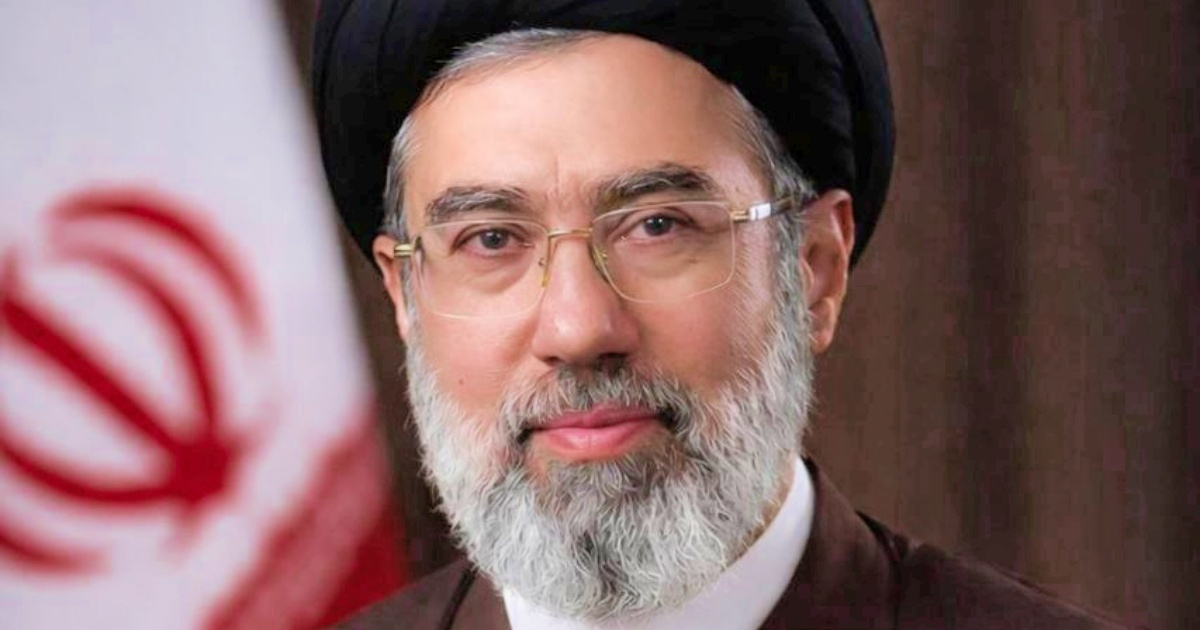
The newly appointed Supreme Leader of Iran, Ayatollah Mojtaba Khamenei, sustained injuries during the military assault on February 28, which claimed the life of his father and predecessor, Ali Khamenei. This information, reported by The New York Times and corroborated by Iranian officials and Israeli sources, highlights the tense situation in Iran.
The injuries from the attack are believed to be the reason behind Khamenei's absence from public view and his silence since assuming leadership amidst the ongoing conflict with the United States and Israel.
Confirmation of Injuries by Iranian Officials
The Iranian ambassador to Mexico, Abolfazl Pasandideh, confirmed that Mojtaba Khamenei was injured during the attack while accompanying his father. "Ayatollah Mojtaba Khamenei was indeed injured as he was alongside his father," stated the diplomat at a press conference.
Details of the Attack
According to The New York Times, citing three Iranian officials, the new supreme leader suffered multiple injuries, particularly to his legs, on the first day of the military offensive against Iran. The attack not only resulted in the death of Ali Khamenei, who had led the Islamic Republic for decades, but also escalated military tensions, sparking an open war in the region.
Since his appointment, Mojtaba Khamenei has neither issued written or recorded messages nor appeared in public. Officials point to both his injuries and stringent security measures as reasons, as any communication could potentially reveal his location. Sources indicate that the new leader is in a secure, undisclosed location with limited communication capabilities.
Israeli Intelligence Corroboration
The New York Times also reports that Israeli military officials confirmed that their intelligence had assessed Mojtaba Khamenei's leg injuries on the first day of the conflict, even before he was named the supreme leader. His continued absence from the public eye has fueled speculation about his health and the power dynamics in Tehran during this period of conflict.
Reports suggest that the attack that killed Ali Khamenei also resulted in additional casualties within the family circle, intensifying the political and symbolic impact of the bombing.
Speculation on Health Condition
Despite reports of his injuries, some voices close to the Iranian government insist that the new leader's condition is not critical. Yusef Pezeshkian, son of Iranian President Masoud Pezeshkian and a government adviser, claimed that Khamenei is out of danger. "I heard the news of Mojtaba Khamenei's injury. I asked friends with contacts and they assured me, thank God, he is safe and sound," he shared on Telegram.
According to sources cited by The New York Times, the supreme leader is conscious and protected in a secure shelter, albeit with limited external communication.
Iranian Regime's Firm Stance
The Iranian ambassador in Mexico emphasized that the swift appointment of a successor following Ali Khamenei's death was intended to demonstrate the resilience of the Islamic Republic's political structure despite the attacks. "These attacks will not alter the country's policies. Even if the leader is killed, the policies will continue with renewed vigor," Pasandideh asserted.
The diplomat also dismissed any prospects of negotiation with the administration of U.S. President Donald Trump after the bombings on Iranian soil. Pasandideh stated that Iran would not accept surrender conditions and would respond to any threats against its territory.
A Mysterious Leadership Figure
Mojtaba Khamenei, aged 56, has maintained a low profile within Iran's political system for years. Unlike other religious leaders in the country, he has never held prominent public office, though investigations tie him closely to the Islamic Revolutionary Guard Corps, a powerful military entity with significant political and economic influence.
His silence since being named the supreme leader, coupled with reports of his injuries during the attack that killed his father, has deepened the mystery surrounding him at a time when Iran is undergoing one of its most turbulent periods in recent history.
Key Questions About Iran's Supreme Leader
What injuries did Mojtaba Khamenei sustain during the attack?
Mojtaba Khamenei suffered multiple injuries, particularly to his legs, during the military assault on February 28.
Why has Mojtaba Khamenei not appeared in public?
His absence from public is attributed to both the injuries he sustained and stringent security measures to protect his location.
How has the Iranian regime responded to the attacks?
The Iranian regime has maintained a firm stance, indicating that attacks will not change the country's policies and dismissing negotiations with the U.S.