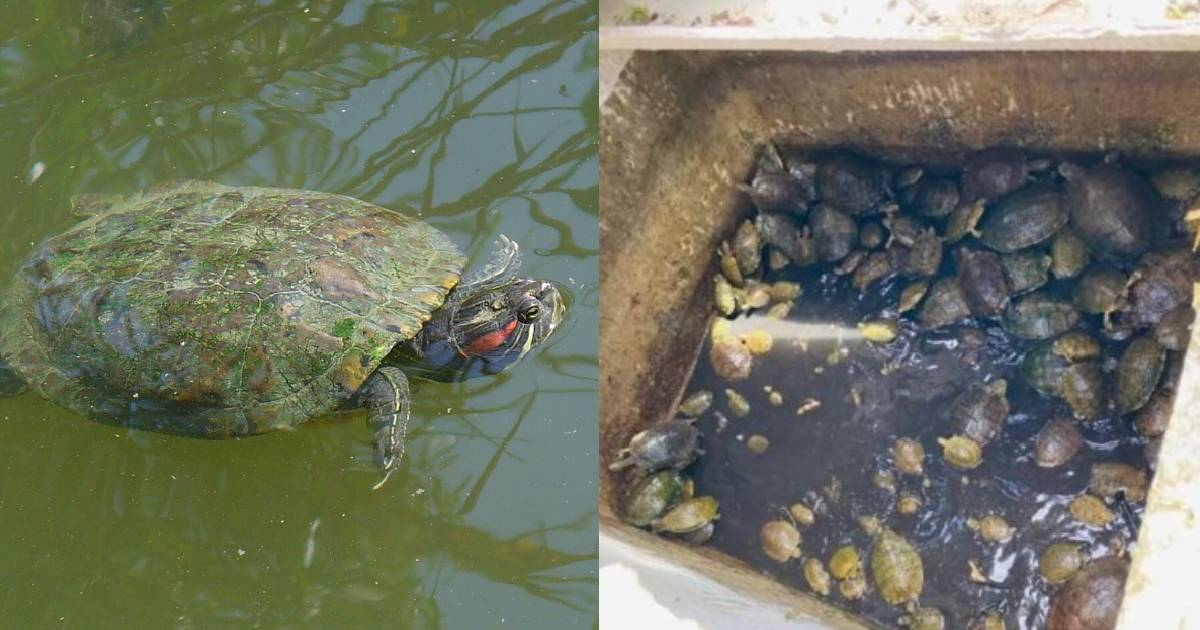
The animal rights group, Huellas al Rescate, has raised alarms about a post by a man who allegedly displayed dozens of turtles crammed into unhealthy conditions in Las Tunas, reportedly for sale. This has ignited widespread outrage among activists and the public.
This nonprofit organization shared a screenshot of the post on their Facebook page on Friday. The post, allegedly by a man named Amaury González, was found in the Revolico Puerto Padre group.
The image shows many turtles packed into a small space with stagnant water, lacking basic hygiene and space requirements. This scenario, described as alarming, potentially constitutes animal cruelty, according to the group.
Huellas al Rescate reminded the public that turtles are part of Cuba's wildlife and that capturing, owning, or selling them without permission is illegal under national law.
"Animals are not commodities or objects. They deserve respect, protection, and humane treatment," the collective emphasized. The group, which operates in Puerto Padre, Delicias, Menéndez, and Las Tunas, focuses on rehabilitating homeless animals and finding them responsible adoptive families.
The organization also warned that keeping these animals in such distressing conditions might violate the Animal Welfare Decree-Law, effective in Cuba since April 2021.
Huellas al Rescate has called on the individual involved to contact them to provide explanations and seek a responsible solution for the animals. Should there be no response, the group plans to forward the evidence to relevant authorities, including the Forest Rangers and entities tasked with enforcing animal welfare regulations.
The post has triggered numerous reactions on social media, with several users expressing outrage and demanding penalties for those who mistreat or trade in wild animals.
Some comments pointed directly to the suspected intent to sell the turtles, while others criticized the ineffective enforcement of animal protection laws in the country.
"If that decree were truly enforced, this image and animal mistreatment in Cuba wouldn't exist," wrote one user, echoing a common sentiment among activists and citizens who view the institutional response as inadequate in these cases.
This incident brings the treatment of turtles in Cuba back into the spotlight, a species frequently involved in reports of illegal capture, informal trade, or use in religious rituals.
Just a few days ago, Cuban veterinarian José Ibrain Venereo Jiménez touched the hearts of many on social media by sharing a video of turtles he had rescued from vendors and individuals intending to use them in religious sacrifices. He claimed to have spent over 14,000 Cuban pesos in purchasing them, healing them, and eventually returning them to their natural habitat.
Such acts stand in stark contrast to other recent reports of animal mistreatment on the island, ranging from ritual sacrifices to the poor conditions at state-run facilities like the National Aquarium of Cuba, where activists have raised concerns about inadequate conditions for wildlife.
In this context, the latest allegations made by Huellas al Rescate highlight a growing concern among civil society about the genuine protection of animals in Cuba and the apparent impunity that allows these situations to persist.
Questions about Animal Welfare in Cuba
What legal protections exist for wildlife in Cuba?
In Cuba, the capture, possession, and commercialization of wildlife without authorization is illegal, as outlined in the Animal Welfare Decree-Law enacted in April 2021.
How can animal rights organizations in Cuba address violations of animal welfare laws?
Organizations like Huellas al Rescate can bring violations to the attention of the authorities, such as the Forest Rangers, and push for enforcement of animal protection laws.
What actions have activists taken to protect turtles in Cuba?
Activists, including veterinarians, have rescued turtles from illegal trade and religious sacrifices, rehabilitating them and releasing them back into their natural environments.