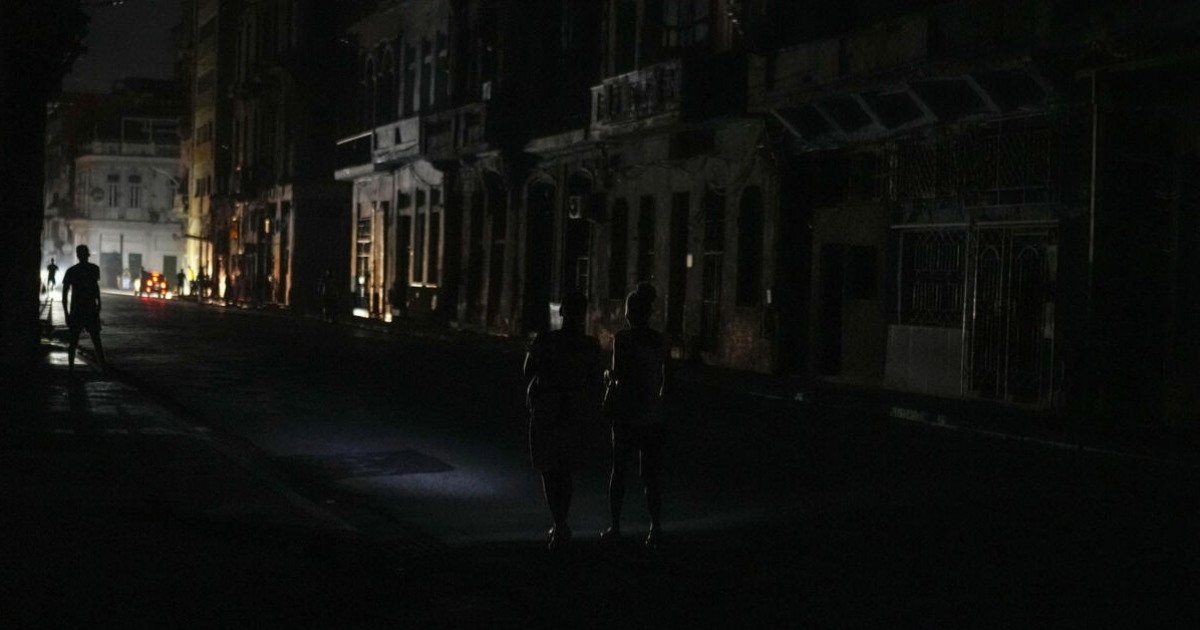
At 6:00 a.m., the Cuban Electric Union (UNE) announced a meager electricity availability of just 1,000 MW, while demand reached 2,223 MW. This resulted in a 1,266 MW shortfall that could escalate to 2,000 MW during peak evening hours, potentially leaving 63% of the nation in darkness.
The immediate trigger for this crisis was the unexpected shutdown of the Antonio Guiteras thermoelectric plant in Matanzas, the largest in the country, which occurred last Wednesday at 12:41 local time due to a "boiler leak."
This failure disconnected the National Electroenergetic System (SEN) from Camagüey to Pinar del Río, including Havana, affecting electricity supply to between 6 and 7 million Cubans across 10 of the 15 provinces. Merely three hours post-collapse, only 2.5% of capital city customers had power restored.
By Friday, the shortfall increased to 2,046 MW at 7:10 p.m., with an availability of just 1,015 MW against a demand of 3,050 MW. In Havana, power outages stretched up to 24 continuous hours, impacting 335 MW along with 105 MW of emergency power. Repairing the Guiteras plant could take at least 72 hours, according to a sector official cited by Radio Rebelde.
This marked the fifth nationwide blackout in a year and a half, the most significant recorded in 2026. Last Monday's shortfall hit 2,025 MW during peak hours, affecting 64% of the territory, the highest level since 2022. Even before this week's collapse, daily outages without breakdowns exceeded 20 hours in many regions.
The crisis has deep-rooted structural causes, exacerbated by the collapse of fuel supply. Seven of the 16 operational thermoelectric units are out of service due to breakdowns or maintenance. Distributed generation using diesel and fuel oil, accounting for 40% of the energy mix, has been stalled since January due to fuel shortages.
Oil shipments plummeted following the capture of former Venezuelan President Nicolás Maduro, leading Venezuela to halt its historical supply of over 26,000 barrels per day.
On January 29, Trump signed an executive order declaring Cuba an "unusual and extraordinary threat" to U.S. national security, after which Mexico also paused its shipments. Since January 9, only one tanker has docked in Cuba, carrying 84,000 barrels, equating to less than 3,000 barrels per day, far below the country's need of 110,000, with only 40,000 produced domestically.
The overnight blackouts spurred pot-banging protests and demonstrations in Havana and Matanzas, reflecting the exhaustion of a population enduring cuts exceeding 15 to 20 hours daily for months.
Jorge Piñón from the University of Texas Energy Institute had forewarned that Cuba would face a "severe crisis" in March without external oil, estimating that the so-called "zero hour"—the complete depletion of fuel reserves—could occur by mid-month if new tankers do not arrive. Piñón estimates that restoring Cuba's electrical system would require between 8 to 10 billion dollars and 3 to 5 years of work.
Cuba's Energy Crisis Deepens
What caused the recent massive power outage in Cuba?
The recent massive power outage in Cuba was triggered by an unexpected shutdown of the Antonio Guiteras thermoelectric plant due to a boiler leak, leading to a significant shortfall in electricity supply.
How many provinces were affected by the blackout?
The blackout affected electricity supply to 10 out of Cuba's 15 provinces, including the capital, Havana, impacting between 6 and 7 million people.
What is the expected timeline for repairing the Antonio Guiteras plant?
The repair of the Antonio Guiteras plant is expected to take at least 72 hours, according to a sector official.
What are the underlying causes of Cuba's electricity crisis?
Cuba's electricity crisis is rooted in structural issues exacerbated by a collapse in fuel supply, with several thermoelectric units out of service and distributed generation stalled due to fuel shortages.