FINCIMEX S.A., a Cuban financial company, has publicly issued a warning regarding a scam circulating on social media that falsely uses its name and branding to deceive individuals with a fake home delivery fuel service in Cuba.
The alert was shared on FINCIMEX's official social media platforms, exposing the scheme as a tactic to extract personal and financial information from unsuspecting users.
"Once again, unscrupulous individuals are attempting to deceive by exploiting our image or financial products to defraud potential consumers," the institution stated emphatically.
The scam usually starts with eye-catching posts promising an enticing service, which is then followed by a request for personal information to finalize the fraudulent deal, according to FINCIMEX.
The company stressed, "Then comes the invitation to share personal data and complete the scam," highlighting the fraudulent operation.
Fake Offers in a Time of Scarcity
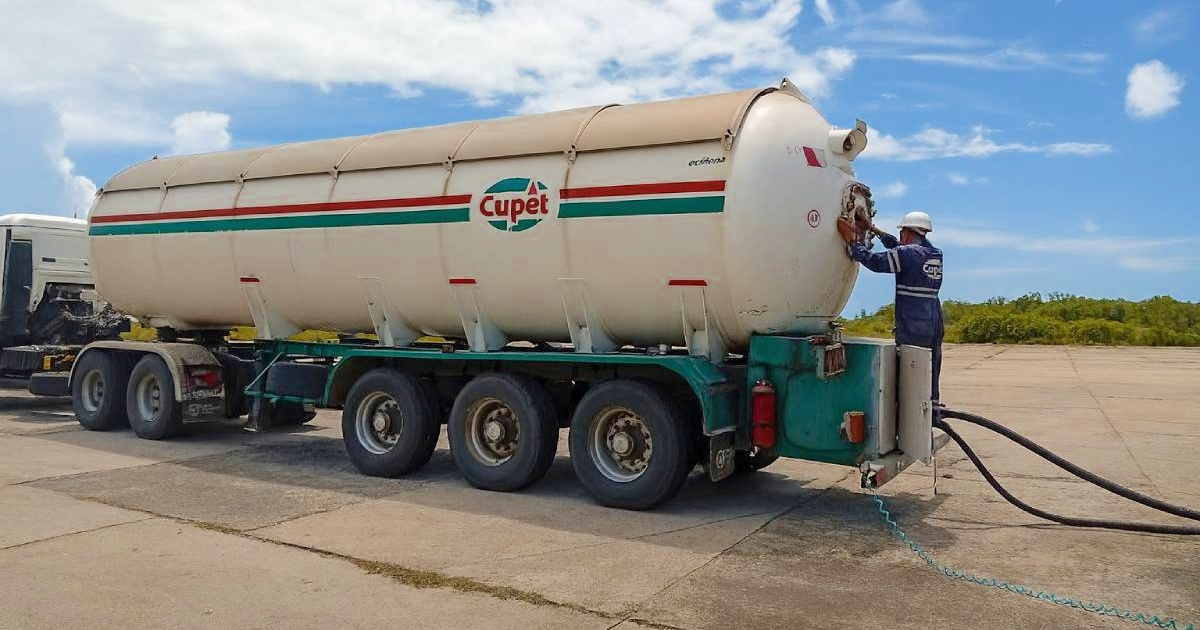
The alert follows a recent social media post showing a fuel tanker emblazoned with the Cupet logo, offering gasoline "delivered to your home anywhere in Cuba" at $3 per liter, complete with a contact number for interested parties.
The ad claimed: "The Importer Fincimex is currently offering gasoline by quantity at $3 USD per liter, delivered to your home anywhere in Cuba without issues," accompanied by an image of a fuel truck.
In the midst of fuel shortages and long lines at service stations across the island, a supposed direct-to-home sale is tempting to many drivers, increasing the likelihood of some falling victim to the scam.
However, FINCIMEX was quick to firmly refute any involvement in such offers. "We reiterate that Fincimex S.A does not sell goods or services other than financial ones," the entity emphasized.
Protecting Personal Information
The company urged users not to share sensitive information with third parties exploiting its name or branding. "We alert our clients never to share personal, financial data such as card numbers, sales receipts, or their ID card," the financial institution advised.
FINCIMEX also reminded that its only official communication channels are its institutional profiles on social media platforms like Facebook and Instagram.
Furthermore, FINCIMEX assured that legal measures are taken against those responsible whenever such fraud is identified. "In all identified cases, legal actions are taken against these individuals," the entity declared.
FINCIMEX's Role in Cuba's Financial System
As a significant player in Cuba's state-run business network CIMEX, FINCIMEX manages family remittances from abroad, finances exports, provides financial leasing, and administers prepaid cards. In recent years, it has played a crucial role in foreign currency payments and transfers within the country.
Social Media Reactions
The official warning sparked numerous reactions online, ranging from disbelief and sarcasm to criticism about Cuba's fuel situation. Some users warned of the dangers of such scams, urging caution. "Many naïve people fall prey to unscrupulous individuals. Be careful not to share personal or financial information," one user commented.
Others expressed skepticism about the supposed home delivery gasoline offer. "You'd have to be really gullible to believe that. Either way, thanks, it's always good to have a heads-up," another user remarked.
Some questioned the circumstances that make such scams believable amid the country's energy crisis. "Only a fool would think they could get fuel delivered to their doorstep in a tanker," noted one commenter.
However, some comments revealed the real consequences of such frauds. One user shared a story about a friend who fell for a similar scam. "Someone told a friend of mine they could pay via Zelle, he ordered 100 liters and somehow his WhatsApp got hacked. His relatives paid, and he's still waiting for the gasoline," the user recounted.
Several users took the opportunity to voice broader criticisms about fuel access and the current sales system in Cuba.
This incident underscores how genuine images, like a fuel truck, can be manipulated out of context to create fake offers that exploit the everyday needs and shortages faced by the population.
The fundamental advice remains: always verify the source before sharing personal information, transferring money, or trusting offers that circulate on social media.
Understanding the FINCIMEX Gasoline Scam
What is the FINCIMEX gasoline scam?
The FINCIMEX gasoline scam is a fraudulent scheme that uses the company's name and branding to lure individuals into sharing personal and financial information under the false promise of delivering gasoline to their homes in Cuba.
How does the scam operate?
The scam typically begins with enticing social media posts offering fuel delivery services, followed by requests for personal information to complete the supposed transaction, ultimately leading to fraud.
What precautions should people take?
Individuals should always verify the source of information, refrain from sharing personal or financial details with unverified parties, and rely solely on official communication channels for transactions.