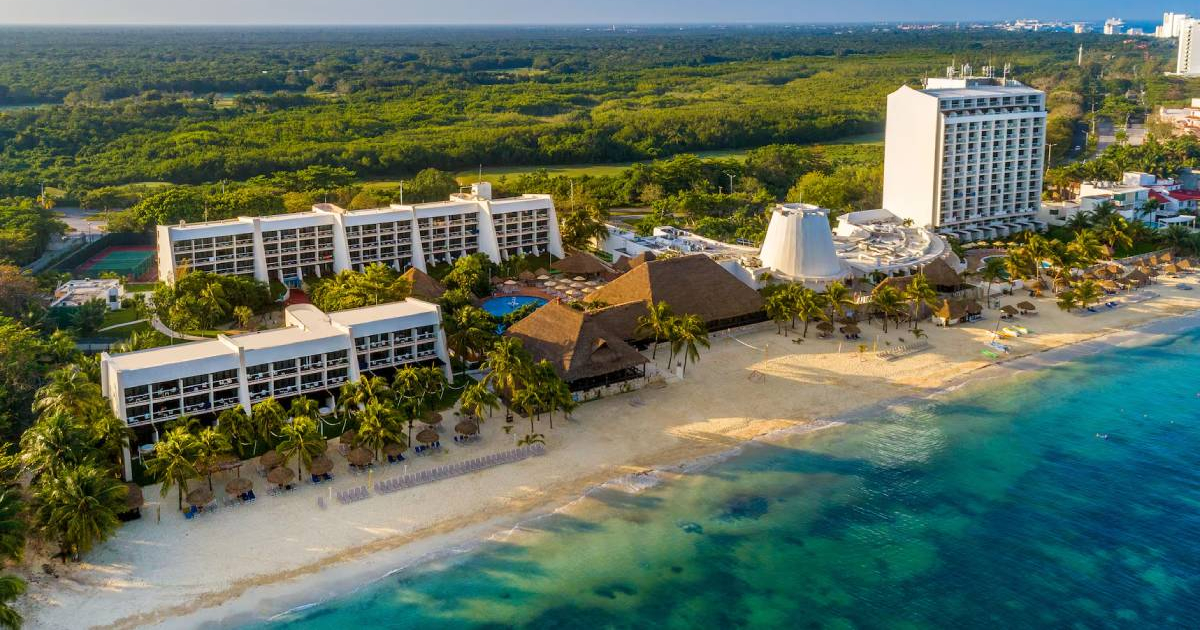
The decline of the tourism industry in Cuba has paved the way for two Caribbean powerhouses to rise. Mexico and the Dominican Republic have emerged as the primary beneficiaries of this shift.
According to El Economista, the Caribbean tourism sector is undergoing a significant transformation as travelers increasingly favor destinations with better connectivity, stable operations, and reliable energy supplies. This shift places Cuba at a distinct disadvantage.
The Spanish Confederation of Travel Agencies has highlighted Mexico and the Dominican Republic as the "Caribbean safe havens" amid the island's instability.
While the market isn't experiencing an automatic replacement of destinations, there is a noticeable shift in tourism flows toward more predictable locations. Cancún, Riviera Maya, and Punta Cana are currently magnets for international demand, as travelers seek logistical security and fewer uncertainties during their trips.
Connectivity and Stability: The Driving Forces Behind the Shift
A key factor in this shift has been connectivity. Cuba is grappling with the cancellation of over 1,700 flights up until April due to fuel shortages, which have even impacted commercial aviation supplies.
Strategic markets like Canada and Russia have drastically reduced their operations, with some flights in January and February dedicated to evacuating tourists from the island.
In contrast, Mexico concluded 2025 with record numbers of international visitors, and the Dominican Republic surpassed 11 million travelers, thanks to robust infrastructure and stable aviation operations. This operational difference highlights the competitive gap in the Caribbean.
The effects are already visible in the hotel sector. Spanish chains Meliá and Iberostar have temporarily closed several resorts in the country.
Meliá, a leading hotel operator in Cuba, has halted operations at three out of the 35 facilities it manages on the island. It announced last week that further closures might be on the horizon, though it does not plan to withdraw completely from Cuba.
Iberostar has adopted a similar approach, currently having only two of its 18 hotels closed in the country.
Tourism in Cuba Hits Historic Lows
According to the National Office of Statistics and Information (ONEI), Cuba welcomed just over 1.8 million international visitors in 2025, marking an 18% drop from the previous year and the lowest level in over two decades, excluding the pandemic period.
This figure confirms a continuous decline since 2010, when the country attracted around five million tourists.
Official data from January reveals a sharp drop in Cuban travelers residing abroad. In the first month of 2026, 12,574 visitors from the Cuban diaspora arrived in the country, compared to 21,015 in the same period of 2025. This represents 8,441 fewer tourists, a decline of more than 40% in just one year.
This downturn directly affects one of the most stable sources of tourism in Cuba. The Cuban diaspora often travels for family reasons, sends remittances, and supports a significant portion of domestic currency consumption. When this flow decreases, the economic impact is immediate.
More than just a temporary setback, the deterioration of tourism in Cuba reflects a loss of regional competitiveness at a time when other Caribbean destinations are seizing the opportunity.
The market redirection is clear. Cuba is losing operational capacity, while Mexico and the Dominican Republic are solidifying their leadership in the region.
Cuba's Tourism Challenges
Why is tourism declining in Cuba?
Tourism in Cuba is declining due to several factors, including reduced connectivity and flight cancellations caused by fuel shortages, as well as instability and lack of reliable infrastructure compared to other Caribbean destinations.
How are Mexico and the Dominican Republic benefiting from Cuba's tourism decline?
Mexico and the Dominican Republic are benefiting from Cuba's tourism decline by attracting travelers seeking more predictable and stable vacation destinations, supported by strong infrastructure and consistent air travel operations.
What impact does the Cuban diaspora have on the country's tourism sector?
The Cuban diaspora plays a significant role in the tourism sector by traveling for family visits, sending remittances, and contributing to domestic currency consumption. A decrease in their numbers directly impacts the economic stability of the tourism industry in Cuba.