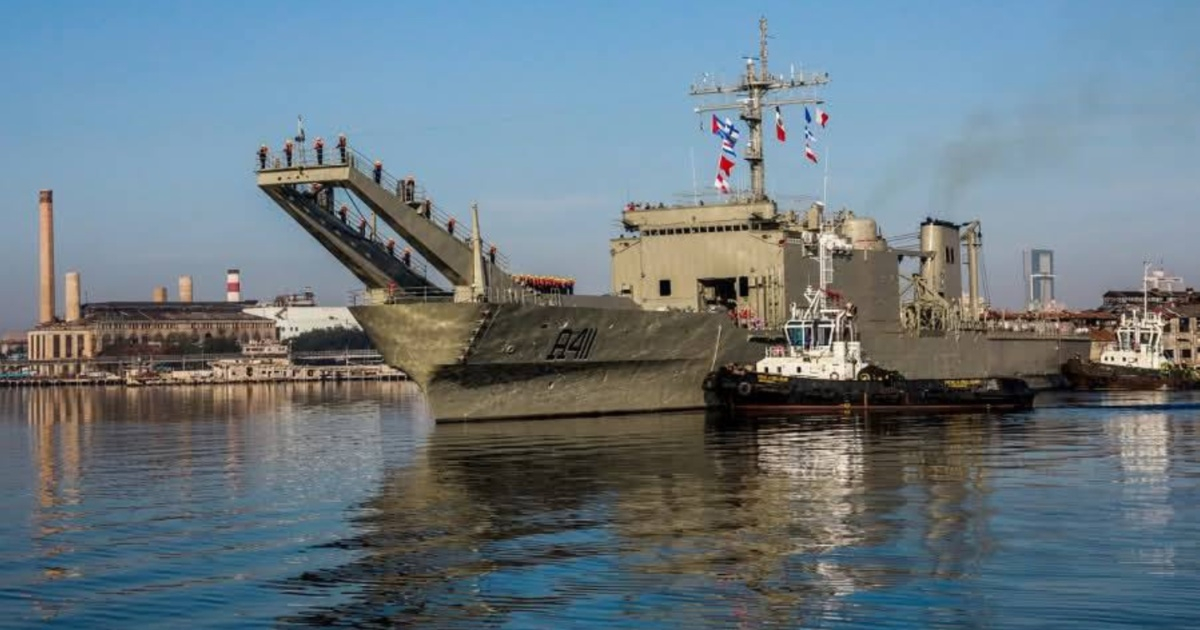
On Saturday, the Mexican Navy ships Papaloapan and Huasteco arrived in Havana, bringing a fresh wave of humanitarian aid to Cuba. This latest shipment underscores the ongoing solidarity between the two nations.
The Cuban regime's social media channels confirmed that the shipment, weighing a total of 1,193 tons, primarily consists of essential food supplies and various household items.
Cuban Deputy Foreign Minister Josefina Vidal Ferreiro publicly acknowledged the arrival, framing it as part of Mexico's response to what Havana describes as a challenging situation exacerbated by the tightened economic blockade and energy sanctions imposed by the United States.
The Mexican Ministry of Foreign Affairs (SRE) stated that both vessels set sail from the port of Veracruz on Tuesday. The ARM Papaloapan's cargo includes 1,078 tons of critical food items such as beans and powdered milk.
Meanwhile, the ARM Huasteco carried 92 tons of beans along with 23 tons of assorted food items. "These 23 tons of humanitarian aid were provided by various social organizations with the support of the Mexico City Government at the collection center in the Historic Center, marking the first delivery," the Mexican government noted.
Previously, two ships carrying a combined total of 800 tons of humanitarian aid from Mexico had already reached Cuba, reinforcing the bonds of solidarity between the two governments amid the island's current challenges.
On February 8, 2026, two Mexican Navy ships departed from Veracruz, bound for Cuba with over 814 tons of humanitarian assistance. According to the SRE, the shipment included staple foods like liquid milk, powdered milk, rice, beans, sardines, tuna, and vegetable oil, along with personal hygiene products.
Upon the donation's arrival in Havana, the Cuban Ministry of Domestic Trade (MINCIN) assured that the supplies would be distributed with priority to children aged 0 to 13, seniors over 65, pregnant women, and underweight children in provinces like Artemisa, Havana, and Mayabeque, as well as the special municipality of the Isle of Youth.
However, citizens took to social media to express their dissatisfaction with how the aid was distributed. In Mayabeque, where 43 tons of food— including rice, sardines, cookies, and canned fruit— were allocated, many Cubans questioned why the help was restricted to specific vulnerable groups.
Comments such as “What about the rest of the population?” highlighted the frustration of families who, despite facing the same economic and food crisis, were excluded from receiving aid.
These reactions spotlighted the growing tension between official announcements and public perception regarding the true reach of these donations, in a context plagued by extended blackouts, inflation, and difficulties accessing basic goods.
Mexican Aid to Cuba: Key Questions and Answers
What did the Mexican ships bring to Cuba?
The Mexican ships delivered more than 1,000 tons of essential food supplies, including beans and powdered milk, along with various household items.
Why are Cubans dissatisfied with the distribution of aid?
Many Cubans are frustrated because the aid is limited to specific vulnerable groups, leaving out other families who are also affected by the ongoing economic crisis.
How has the Cuban government prioritized the distribution of aid?
The Cuban government has prioritized distributing aid to children aged 0 to 13, seniors over 65, pregnant women, and underweight children.