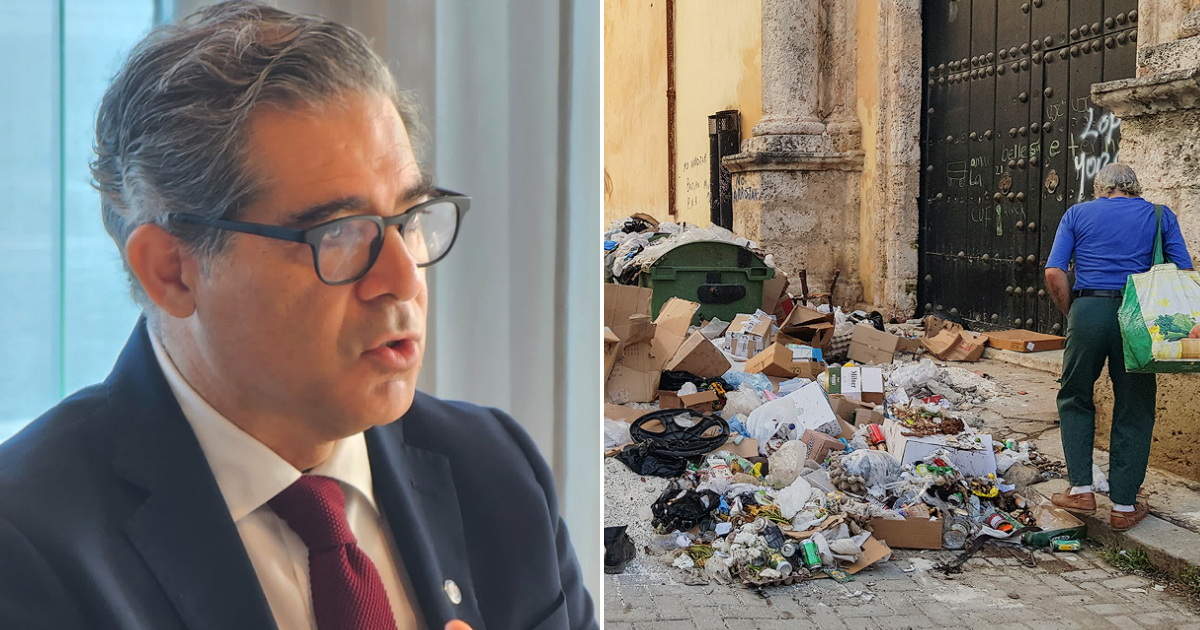
The United Nations' resident coordinator in Cuba, Francisco Pichón, has called for a "humanitarian exception" to allow the delivery of oil and aid to the island, amid a worsening energy crisis affecting its population. This request was highlighted by the United Nations on February 26.
Speaking via videoconference from Havana during a press briefing in New York, Pichón warned that the humanitarian situation is deteriorating as fuel shortages intensify, nearly a month after Washington implemented measures to block oil supplies to the Caribbean nation.
Pichón emphasized the increasing threats to medical care, water services, and food distribution, cautioning that the crisis "could deepen," with blackouts posing "acute humanitarian risks" to the most vulnerable communities.
"The threat to people's lives is not just talk; those who suffer first and most are ordinary people, especially the most vulnerable," he stated.
He stressed, "Our capabilities would be constrained unless there is a humanitarian exception for oil and aid."
According to the data presented, Cuba relies on oil for over 90% of its energy needs. The country produces heavy crude for electricity generation, but in limited quantities. Additionally, it faces a 30% deficit needed to meet the minimum requirements, and questions remain about its refining capacity.
The energy crisis directly impacts vulnerable populations. Five million people live with chronic illnesses, including thousands of cancer patients needing continuous care, and more than 32,000 pregnant women. Nearly one million people—around 10% of the population—receive drinking water via tankers, while 84% of pumping equipment depends on electricity.
Food security is also "deteriorating," with disruptions affecting the entire supply chain, in a scenario already strained by "multiple impacts," including Hurricane Melissa in October, which affected over 2.2 million people.
As reported by EFE, Pichón stated, "Negotiating with the U.S. for a humanitarian exception for oil is necessary. I understand efforts are being made in this direction."
"It's the only way to prevent a humanitarian crisis with more severe consequences," he added.
The resident coordinator pointed out that, nearly a month after former President Donald Trump's executive order to tighten the fuel blockade on Cuba, the situation has shifted from a "temporary" shortage to a "systematic" problem, becoming "the main multiplier of humanitarian risks."
Pichón also expressed regret that, despite the U.S. Supreme Court's opposition to tariffs announced against countries sending crude to Cuba, the national emergency remains in effect, which he believes "provides a broader legal framework for imposing additional sanctions on countries supplying oil to Cuba."
In recent weeks, UN Secretary-General António Guterres has voiced concern over the energy deterioration and called for dialogue amid the crisis affecting basic services and daily life on the island, in a context of prolonged blackouts and fuel shortages.
Earlier in February, the UN warned of a potential "humanitarian collapse" if the country's oil needs are not met, while the Cuban government acknowledged a "severe fuel shortage" and prepares for "tougher times," following the disruption of shipments from Venezuela.
Understanding the Energy Crisis in Cuba
What is causing the energy crisis in Cuba?
The energy crisis in Cuba is primarily caused by fuel shortages due to U.S. sanctions that block oil supplies to the island. This has led to severe disruptions in electricity, water, and food distribution services.
How is the energy crisis affecting the Cuban population?
The crisis is impacting vulnerable groups, with five million people living with chronic illnesses, disrupted medical care, food insecurity, and water supply issues due to dependency on electricity for pumping.
What solutions are being proposed to address the crisis?
UN Coordinator Francisco Pichón has called for a "humanitarian exception" to allow the delivery of oil and aid to Cuba, urging negotiations with the U.S. to alleviate the situation.