In a violent encounter at sea, four men lost their lives, six sustained injuries, and the Cuban regime swiftly employed a politically charged term: "terrorism."
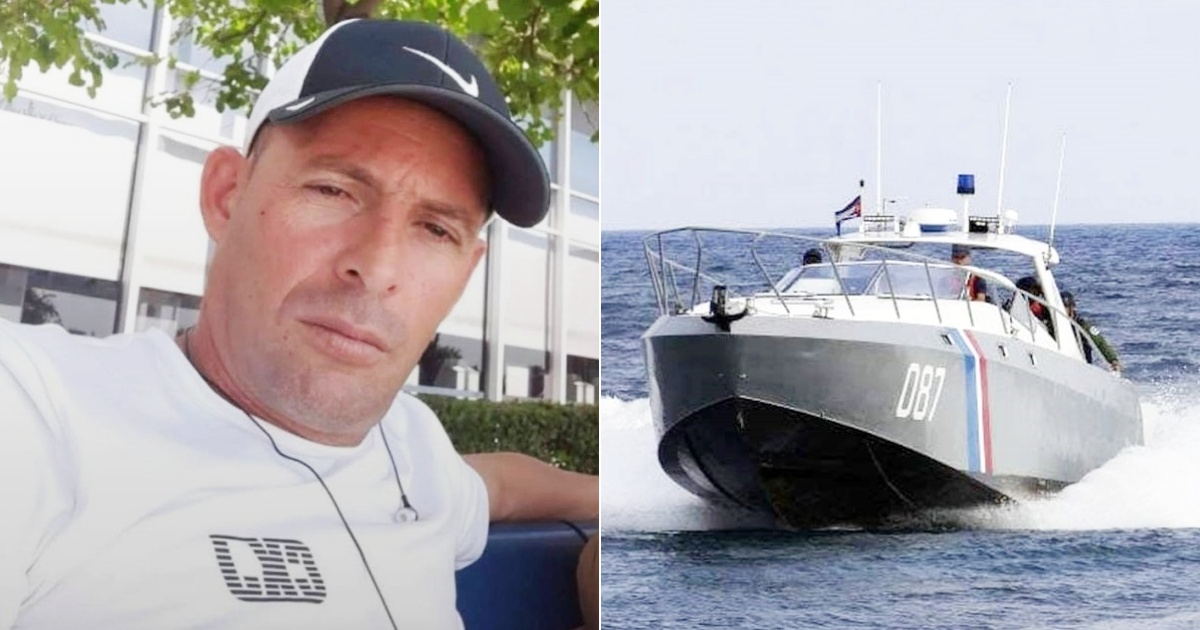
Central to this narrative is Amijail Sánchez González, one of those apprehended following the confrontation in the waters near Villa Clara. According to Cuban authorities, his name has been on their National List of Terrorists since July of this year.
Official spokesman Humberto López reminded the public on Facebook that "Amijail Sánchez González, who calls himself 'El Lobo,' was among the 10 Cubans aboard the boat attempting infiltration. He was added to the National List of Terrorists on July 9, 2025."
Amidst a tragic event with fatalities and unverified independent reports, the government emphasizes that one of those involved was already officially labeled as a "terrorist."
Government's Stand on Amijail Sánchez
The so-called National List of Terrorists, updated last summer and presented by Havana to the United Nations, is reportedly based on UN Security Council Resolution 1373 and Cuba's internal legal framework.
The list includes individuals allegedly connected to the "promotion, planning, organization, financing, support, or commission" of terrorist acts, according to the official narrative.
The July 9, 2025, Official Gazette details Sánchez González's personal information: born on April 13, 1978, to parents Mercedes and Eddy Tomás, residing in the United States.
He is also linked to preparatory case file 551/2023, initiated after another Cuban residing in the U.S. was detained for allegedly smuggling weapons into Matanzas' northern coast, aiming to target military units.
The document claims these plans were "organized, financed, and supported from within the United States by citizens living there."
However, the government has not publicly presented independent evidence to support these accusations or any verifiable details about the legal proceedings.
As with other cases on this list, the available information comes solely from state sources, without public access to complete files or transparent processes.
The Cayo Falcones Incident
The recent incident involving Sánchez González unfolded when a speedboat with a Florida registration (FL7726SH) was detected, according to the Ministry of the Interior (MININT), approximately one nautical mile northeast of El Pino channel in Cayo Falcones, Corralillo, Villa Clara.
An official note stated that a Border Guard unit approached to identify the vessel, at which point gunfire was allegedly exchanged with Cuban military personnel. The commander of the official vessel was injured in the exchange.
The report noted four individuals killed and six injured, who were subsequently evacuated and received medical attention.
One of the deceased was identified as Michel Ortega Casanova, while the identities of the other three victims are still pending official confirmation.
As is customary in such incidents, the only account available thus far is the one provided by MININT. There have been no released images or independent testimonies to corroborate what transpired at sea.
The Detained and Seized Arsenal
The regime claims the boat carried ten armed individuals intending to enter the country with "terrorist objectives," based on preliminary statements from those detained.
The arrested individuals include Amijail Sánchez González; Leordan Enrique Cruz Gómez (also on the list presented to the UN); Conrado Galindo Sariol; José Manuel Rodríguez Castelló; Cristian Ernesto Acosta Guevara; and Roberto Azcorra Consuegra.
Additionally, Duniel Hernández Santos was arrested on Cuban soil, identified as the group's alleged contact.
Authorities reported the seizure of assault rifles, handguns, homemade incendiary devices, bulletproof vests, telescopic sights, and camouflage uniforms.
They also noted that some of the individuals have criminal records.
Key Questions on the Cuban Waters Incident and Terrorism Allegations
What evidence does the Cuban government provide for labeling Amijail Sánchez as a terrorist?
The Cuban government has not presented independent evidence publicly. The claims are based on state sources and linked to accusations of organizing and financing attacks from the U.S.
How did the confrontation in Cayo Falcones unfold, according to official reports?
According to MININT, the incident began when a Border Guard unit approached a speedboat for identification, leading to an exchange of gunfire that resulted in casualties and injuries.