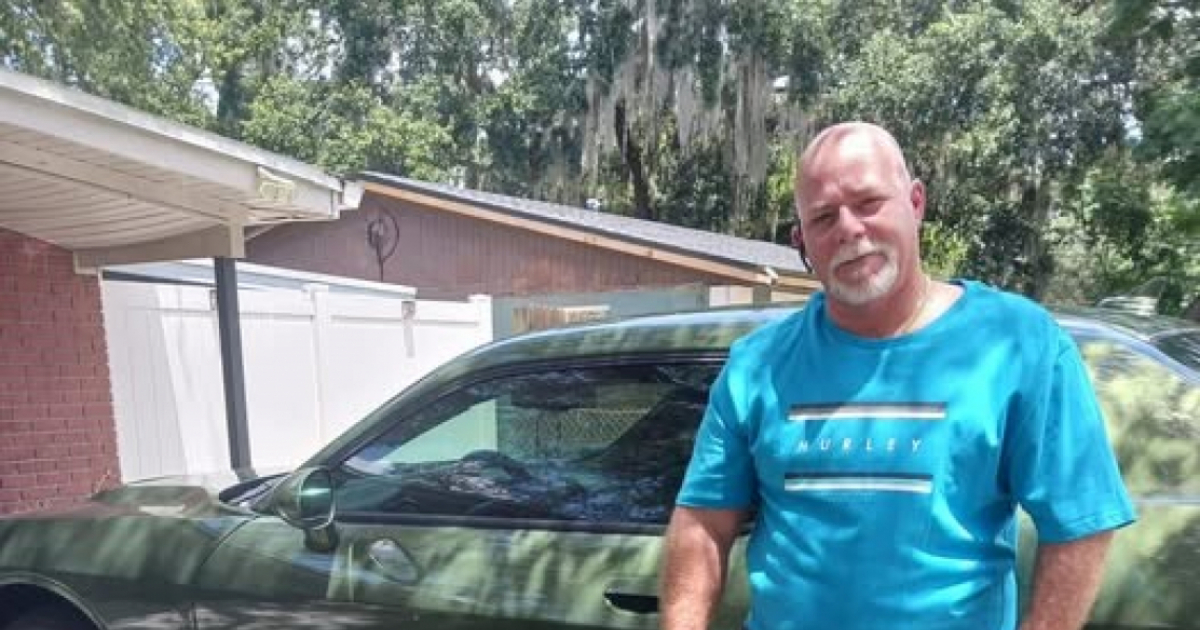
Michel Ortega Casanova has been identified as one of the four Cubans who lost their lives during a confrontation on Wednesday involving a civilian vessel and military forces in the northeastern area of the El Pino channel, located in Cayo Falcones, Corralillo municipality, Villa Clara.
Various sources informed journalist Daniel Benítez on Facebook that Ortega Casanova had recently moved to the United States.
"The identities of the other three victims have not yet been disclosed," Benítez reported.
Tributes and Responses from Cuban Organizations
The Casa Cuba organization in Tampa described Ortega Casanova as "a patriot, a man devoted to the cause of freedom, and a member of the Cuban Republican Party."
In honor of Ortega Casanova, Casa Cuba of Tampa declared three days of mourning, with flags lowered to half-mast, as journalist Alexis Boentes from Telemundo 51 reported on Facebook.
Journalist Javier Díaz from Univisión confirmed that the deceased had been residing in Tampa. In a video statement, Díaz warned against the Cuban regime's slander and manipulation regarding the armed incident in Cayo Falcones.
"Those who went to Cuba are not terrorists," he asserted. "They went to free our country."
Insights into the Incident
The reporter explained that multiple groups in Miami had been training for several months for a strategic operation in Cuba. "It seems they acted prematurely, without properly planning certain aspects, leading to this unfortunate error and the clash with Cuban authorities, resulting in at least four deaths and six individuals recovering in the hospital," he added.
On Wednesday, the Cuban government released the names of those involved in the armed incident in the northeastern part of the El Pino channel in Cayo Falcones.
According to an expanded report from the Ministry of the Interior, a speedboat with Florida registration FL7726SH was carrying 10 armed individuals who, based on preliminary statements from the detainees, intended to enter national territory with "terrorist aims."
Details of the Arrests and Ongoing Investigations
The authorities reported the arrest of Amijail Sánchez González, Leordan Enrique Cruz Gómez, Conrado Galindo Sariol, José Manuel Rodríguez Castelló, Cristian Ernesto Acosta Guevara, and Roberto Azcorra Consuegra.
Among the deceased is Michel Ortega Casanova, and efforts are underway to identify the other three people who died during the confrontation.
Official statements indicate that all involved are Cubans residing in the United States, some with criminal records. Additionally, two of the detainees were listed in national databases linked to previous criminal investigations.
During the operation, authorities seized assault rifles, handguns, improvised incendiary devices, bulletproof vests, telescopic sights, and camouflage uniforms.
The Ministry of the Interior also announced the arrest of Duniel Hernández Santos in Cuban territory, who is allegedly connected to receiving the group. Investigations are ongoing, according to the official note, to fully clarify the events.
Furthermore, Amijail Sánchez González and Leordan Enrique Cruz Gómez are included in a list updated by the Cuban regime last July and presented to the UN as part of its national registry of individuals considered terrorists. In this update, the authorities included 62 individuals and 20 entities based abroad, mostly in the United States, accusing them of promoting, financing, or organizing actions against the Cuban state, with their alleged impunity in U.S. territory being denounced by Havana.
Key Questions about the Villa Clara Incident
Who was Michel Ortega Casanova?
Michel Ortega Casanova was one of the four Cubans killed in a confrontation with military forces in Villa Clara. He was described as a patriot and a member of the Cuban Republican Party, residing in Tampa.
What did the Cuban authorities claim regarding the incident?
Cuban authorities claimed the speedboat involved was carrying armed individuals intending to enter Cuba with terrorist objectives. Several arrests were made, and weapons were seized during the operation.
How are the accused individuals linked to previous events?
Some of the detained individuals have criminal records, and two were listed in national databases related to past criminal investigations. They are also included in the Cuban regime's list of individuals considered terrorists.