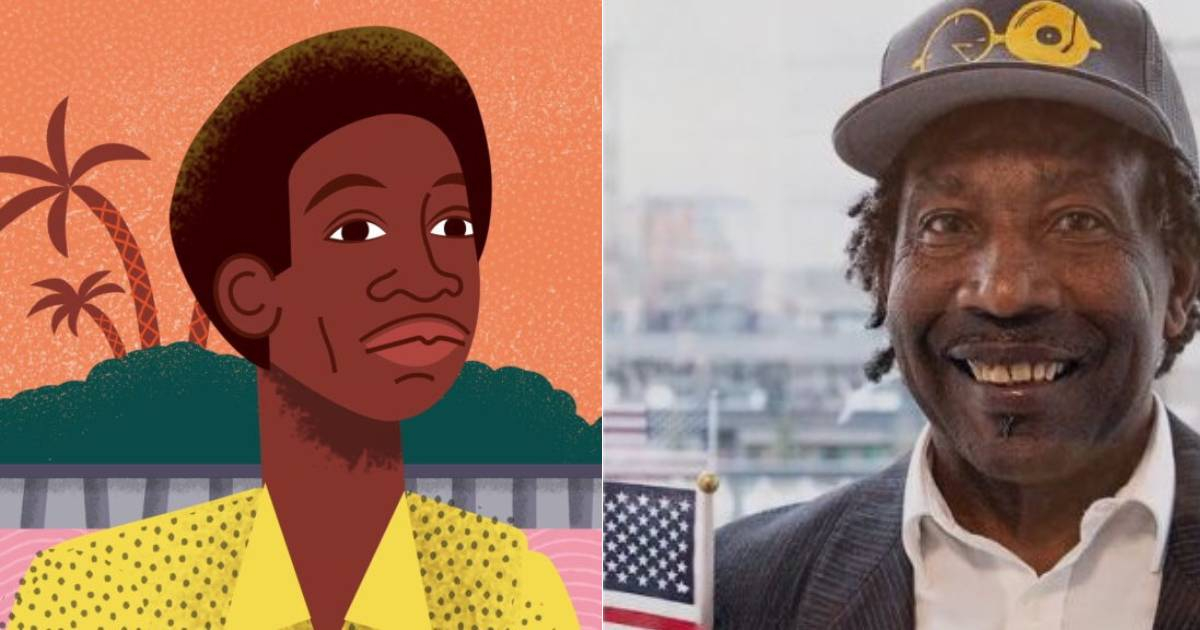
In 1980, Ernesto Rodríguez risked everything to flee from Cuba. He boarded a fishing boat and braved the open seas as part of the Mariel exodus, uncertain of what awaited him on the other side of the Florida Strait. Over forty years later, the young man once labeled a "marielito" has become a United States citizen.
His story was first told by PBS Wisconsin in the podcast WPR Reports: Uprooted and has now been brought to life in an animated segment of Wisconsin Life. This piece retraces his journey from the island to La Crosse, Wisconsin, where he established his life while holding onto his Cuban heritage.
Rodríguez was among the over 125,000 Cubans who left the island between April and October 1980 during the Mariel exodus, driven by a climate of harassment, public shaming, and stigmatization. Many were sent off with insults, branded as "undesirables," in one of Cuba's most traumatic recent historical events.
For Ernesto, the voyage was a bold, irreversible gamble. Crossing the sea under those conditions meant not only physical danger but also a definitive break from his birthplace. Like many others, he arrived in the United States with no certainties, burdened by the loss and stigma that "marielitos" faced for years.
However, his narrative did not conclude in a refugee camp or with the label that tried to define him. Wisconsin became his new home. There, he built his life, became part of the community, and kept his Cuban roots alive, showing that identity transcends distance.
In 2023, after more than 40 years in the U.S., Rodríguez was naturalized as a citizen, marking the symbolic closure of a journey that began on a fishing boat and spanned decades of work, adaptation, and remembrance.
Amanda Roslansky, the animation director, shared with PBS Wisconsin that what struck her most about the project was realizing the traumatic nature of the Mariel exodus. Many of those people, she noted, did not want to leave Cuba but were compelled to in a chaotic and painful context.
For the animation, the team chose a minimalist style inspired by Cuban artists from the 70s and 80s, using vibrant colors to represent Cuba and a contrasting palette for Wisconsin. These hues gradually blend on screen, serving as a metaphor for identity.
In the animated feature, Ernesto is initially shown alone, but as the story unfolds, he becomes surrounded by people, visually integrated into his new environment. This is a graphic representation of the silent journey thousands of Cubans have experienced: starting anew, finding their place, and regaining a sense of belonging.
Understanding the Mariel Exodus and Its Impact
What was the Mariel exodus?
The Mariel exodus was a mass emigration of over 125,000 Cubans who left the island between April and October 1980, seeking asylum in the United States due to social and political pressures in Cuba.
How did Ernesto Rodríguez's journey begin?
Ernesto Rodríguez's journey began when he boarded a fishing boat during the Mariel exodus in 1980, leaving Cuba with no clear future ahead, and eventually settling in Wisconsin, USA.
How did Ernesto Rodríguez adapt to life in the United States?
Ernesto Rodríguez adapted to life in the United States by integrating into the community in La Crosse, Wisconsin, while maintaining his Cuban roots and eventually becoming a naturalized U.S. citizen.