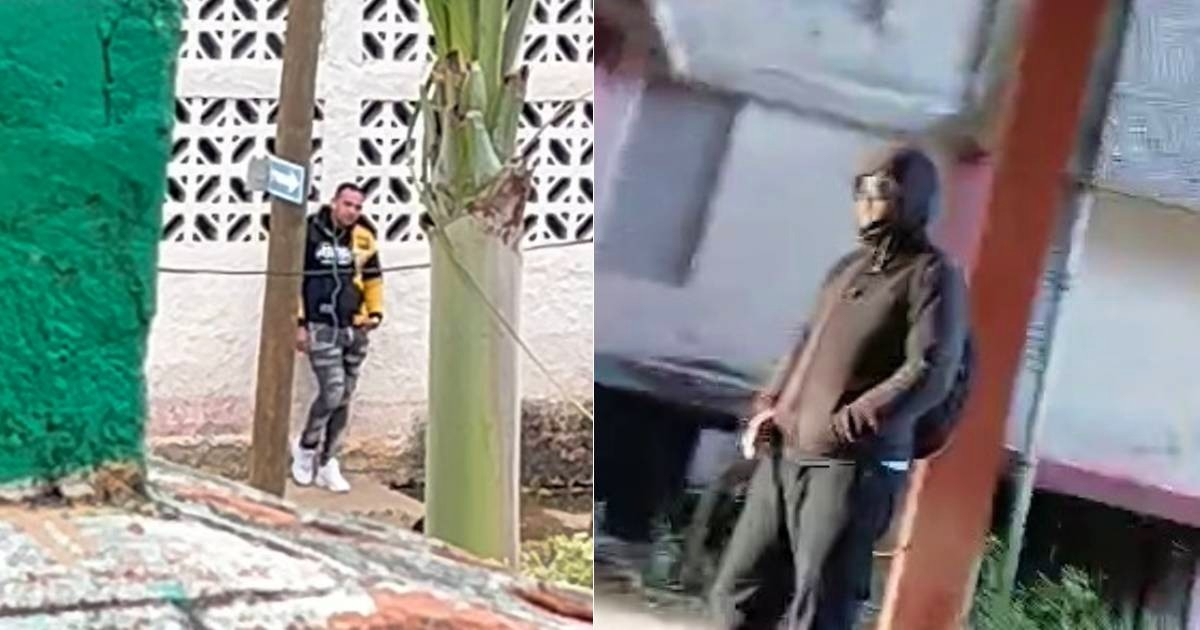
In various areas of Havana, journalists and activists reported being confined to their homes by State Security agents on February 24th, marking the 30th anniversary of the Brothers to the Rescue aircraft shootdown.
Journalist Camila Acosta shared on social media the presence of a man stationed near her residence. "This is the repressor on duty," she wrote, indicating that the agent was there to prevent her from leaving. Her post suggested that this was part of a wider operation aimed at suppressing any commemoration or public statements regarding the anniversary.
A similar account came from Yoani Sánchez, who detailed on Facebook that an agent, wearing a hat and dark glasses, made a brief appearance to warn her and journalist Reinaldo Escobar that they could not leave their building due to it being "a counter-revolutionary date."
The reason, as explained by the officer, was the anniversary of the February 24, 1996, shootdown of Brothers to the Rescue aircraft, where Cuban military jets brought down two civilian planes, killing four pilots and sparking international outrage.
Adding to individual accounts, the Council for the Transition in Cuba reported that several opponents were under house arrest. Among those affected were Manuel Cuesta Morúa, Juan Manuel Moreno, Rolando Rodríguez Lobaina, along with journalists and activists including Boris González Arenas, Yoani Sánchez, and Reinaldo Escobar.
The organization condemned the lockdown as a violation of fundamental rights, asserting that the only "crime" committed by those targeted was their peaceful opposition and demand for liberties and democratic reforms on the island.
Thirty years later, the date remains deeply symbolic, especially for the Cuban exile community, which holds vigils and events annually in memory of the victims and in pursuit of justice. This anniversary bears added significance, marking three decades since the incident.
Moreover, activists and organizations have once again called for direct accountability from Raúl Castro, historically identified as a key political figure responsible for the shootdown. Although he has been denounced before, this milestone anniversary has reignited campaigns in Miami and Washington for him to "answer" for the incident.
On the island, however, the government seems to manage the memory through control. Sánchez described an increased presence of agents on her block and a nearby patrol car. This isn't a new development; according to her, it's the third such operation outside her home in the past month.
The journalist questioned the allocation of resources to monitor "two peaceful journalists, armed with nothing but words," while her building suffers from severe structural issues: broken elevators, deteriorated pipes, garbage accumulation, and lack of maintenance. "Improving the lives of Cubans is not their priority," she lamented.
Three decades after an event that left a lasting mark on a generation both within and outside the island, the anniversary continues to evoke official apprehension. For many Cuban households, the day wasn't commemorated in public gatherings but through windows, under surveillance.
Understanding the Ongoing Impact of the Brothers to the Rescue Incident
What happened on February 24, 1996, involving Brothers to the Rescue?
On February 24, 1996, Cuban military jets shot down two civilian aircraft belonging to Brothers to the Rescue, killing four pilots and causing international condemnation.
Why are journalists and activists being restricted in Cuba on this anniversary?
The Cuban government restricts movement to prevent public commemoration and statements that could be seen as counter-revolutionary, reflecting ongoing control over dissent.
What actions are being taken internationally regarding the Brothers to the Rescue incident?
Activists and organizations in Miami and Washington are renewing efforts to hold Raúl Castro accountable, marking the anniversary with campaigns demanding justice for the victims.