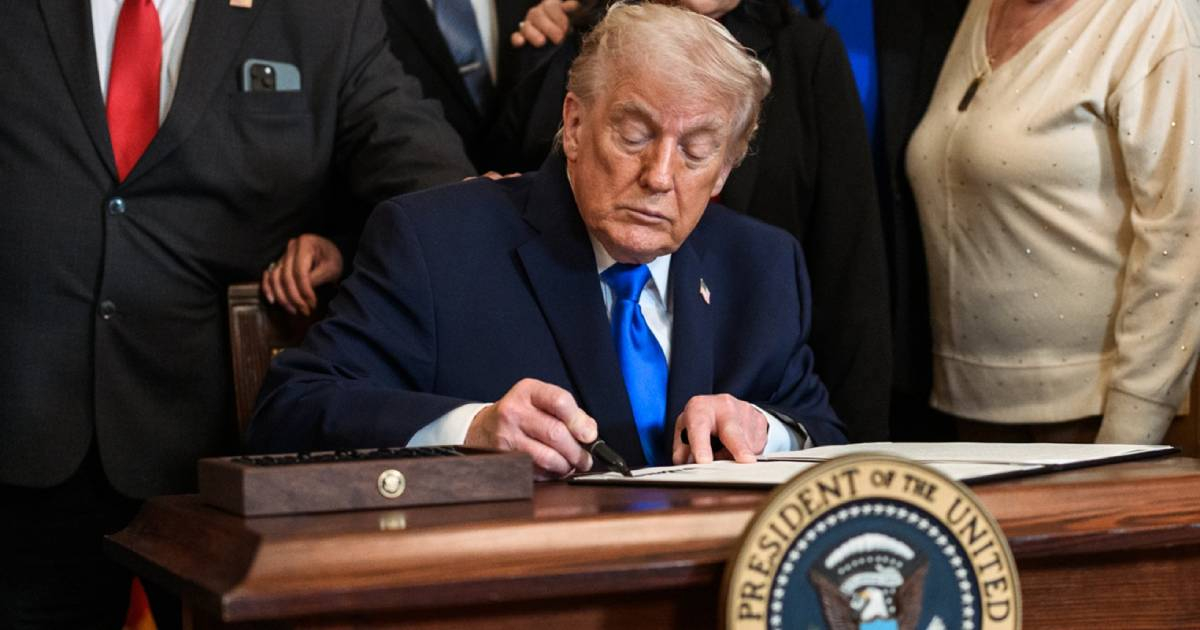
On February 20, 2026, President Donald J. Trump signed an executive order that ceases the application of additional tariffs on countries supplying oil to Cuba. This move effectively means that the United States can no longer impose commercial penalties on third-party nations for providing crude oil to the island under the International Emergency Economic Powers Act (IEEPA).
This action annuls a tariff system established on January 29, when Trump declared a national emergency concerning the Cuban government. It had enabled the possibility of imposing additional charges on imports from any nation that directly or indirectly sent oil to Cuba. Although the tariffs were not automatically enacted, the framework provided a legal basis for activation following a Commerce Department determination and a State Department recommendation.
With the executive order, this tariff mechanism is now nullified.
The decision coincides with a ruling by the U.S. Supreme Court, which determined that the IEEPA does not grant the president the authority to impose tariffs. This verdict restricts the use of emergency powers for establishing commercial levies, thereby invalidating the tariffs designed under this statute, including those targeting Cuba.
Economically, the elimination of the tariff reduces the risk for countries or companies considering or continuing energy trade with Cuba. Amid a severe fuel crisis and frequent blackouts on the island, the removal of this tariff threat alleviates uncertainty for potential suppliers.
Nevertheless, this change does not indicate a lifting of sanctions or a structural shift in U.S. policy toward Havana. The national emergency declared on January 29 remains in effect, as do other legal tools of pressure.
In fact, just days prior, on February 13, Trump extended for another year the authority to regulate, inspect, and even detain U.S. and foreign vessels heading to Cuba, citing national security and migration risks. This power has been active since 1996 following the downing of the Brothers to the Rescue aircraft and remains in force.
Other legal frameworks supporting tariffs or trade restrictions, such as Section 232 of the Trade Expansion Act and Section 301 of the Trade Act of 1974, are also unaffected.
In essence, the new order removes a specific tariff tool aimed at indirectly pressuring Cuba's energy supply but does not alter the emergency declaration or the broader pressure strategy by Washington against the regime. It is an adjustment necessitated by the Supreme Court's ruling, not a policy shift toward normalization.
Impact of U.S. Tariff Policy Changes on Cuba
How does the removal of tariffs affect Cuba's energy supply?
The removal of tariffs decreases uncertainty for countries or companies interested in supplying oil to Cuba, potentially stabilizing the energy supply amid the island's fuel crisis.
Does this mean a change in U.S. policy towards Cuba?
No, the removal of the tariff tool does not signify a broader policy change. The national emergency remains in place, along with other legal pressures on the Cuban government.
What other legal tools are still in effect regarding trade with Cuba?
Other legal measures, such as Section 232 of the Trade Expansion Act and Section 301 of the Trade Act of 1974, continue to support tariffs and trade restrictions with Cuba.