The Trump administration has unveiled a comprehensive strategy to enforce political change in Cuba, aiming to combine crippling energy measures, international financial pressure, and discreet engagement with both the current system and opposition sectors.
According to the Spanish newspaper ABC, citing sources in Washington, the goal is to promote an orderly and controlled transition, preventing a chaotic collapse on the island.
This new phase kicked off following the operation in Venezuela on January 3, which resulted in the capture of Nicolás Maduro. The fall of Havana's primary energy ally has radically shifted the regional balance.
For years, Caracas supplied subsidized oil that allowed the Cuban regime to sustain its economy and security apparatus. With this supply nearly cut off and under direct pressure from Washington on Delcy Rodríguez's interim government, Havana's maneuvering space has been severely restricted.
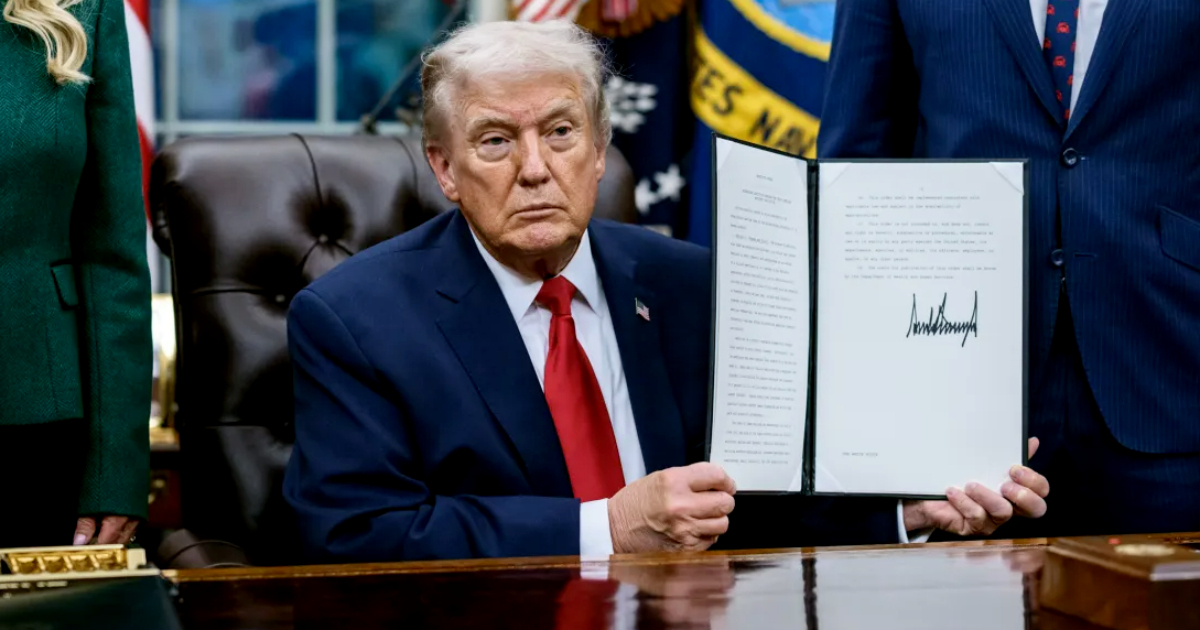
The core element of this strategy is energy constriction. Trump signed an executive order threatening tariffs on nations supplying crude oil to Cuba.
This pressure extends beyond governments to include shipping companies, insurers, financial intermediaries, and ports involved in facilitating shipments. Last week, the U.S. Coast Guard intercepted the tanker Ocean Mariner, carrying 84,579 barrels of Colombian fuel oil destined for the island, clearly demonstrating that the energy blockade is being actively enforced.
The domestic impact is apparent. Cuba consumes approximately 100,000 barrels daily of crude and derivatives, but its internal production cannot meet the fuel demands for transportation and economic activity.
Without sustained imports, the country has entered an emergency mode: prolonged blackouts, paralyzed transportation, hospitals with limited resources, and widespread rationing.
The Cuban Observatory for Human Rights reports that 89% of the population considers themselves in "extreme poverty," with 70% saying they cannot eat three times a day. Over a million Cubans have emigrated in the past decade, exacerbating economic contraction and demographic deterioration.
However, the strategy goes beyond sheer pressure. Simultaneously, Washington has opened discreet channels with key figures within Cuba's real power structure.
Sources cited by ABC suggest the first significant contact was made with Raúl Guillermo Rodríguez Castro, known as "El Cangrejo," grandson of Raúl Castro and linked to the military conglomerate GAESA, which controls critical sectors of the economy.
The rationale behind these alleged maneuvers is to identify interlocutors with decision-making capacity and internal control in a potential transitional scenario.
At the same time, the White House is engaging in very discreet talks with leaders and activists from the opposition, both inside and outside the island. This dual approach—engaging system insiders and opposition members—aims to gauge scenarios and prevent a power vacuum that could lead to chaos or a mass migration to the United States.
Unlike in Venezuela, the priority in Cuba is not to target Miguel Díaz-Canel with a capture operation but to explore a negotiated exit that maintains administrative stability while introducing structural changes.
Washington is aware that an abrupt collapse could trigger a new migration crisis toward Florida, so the balance lies in suffocating the state apparatus without causing an uncontrollable outbreak.
The designation of Cuba as an "unusual and extraordinary threat" has served as the legal basis for tightening the oil embargo. Russia and China are watching these moves cautiously, while international organizations warn of the social deterioration on the island.
In Washington's offices, the question is no longer whether the pressure will be effective, but who within the system will be willing to initiate a resolution when the fuel runs out and the economy enters a prolonged paralysis.
The Trump administration has decided to accelerate the Cuban issue, combining maritime pressure with quiet diplomacy on the ground.
The outcome will largely depend on the internal dynamics starting to shift beneath the fractured power structure in Havana.
Understanding Trump's Strategy for Cuba
What is the main goal of Trump's strategy towards Cuba?
The primary aim is to enforce a controlled political transition in Cuba, avoiding a chaotic collapse by applying energy and financial pressure, alongside discreet diplomatic engagements.
How has the U.S. Coast Guard been involved in this strategy?
The U.S. Coast Guard has enforced the energy blockade, evidenced by the interception of the tanker Ocean Mariner, which was carrying Colombian fuel oil to Cuba.
How are internal dynamics in Cuba affecting the strategy's success?
The success largely depends on the shifting internal dynamics within Cuba's power structure, with the U.S. engaging both system insiders and opposition members to prepare for potential transitions.