In the midst of Cuba's severe energy crisis, a Chinese company operating in Havana has started importing fuel to sell in dollars to small and medium-sized enterprises (SMEs) and other non-state businesses. This move comes despite Washington's warnings against trading oil with the island.
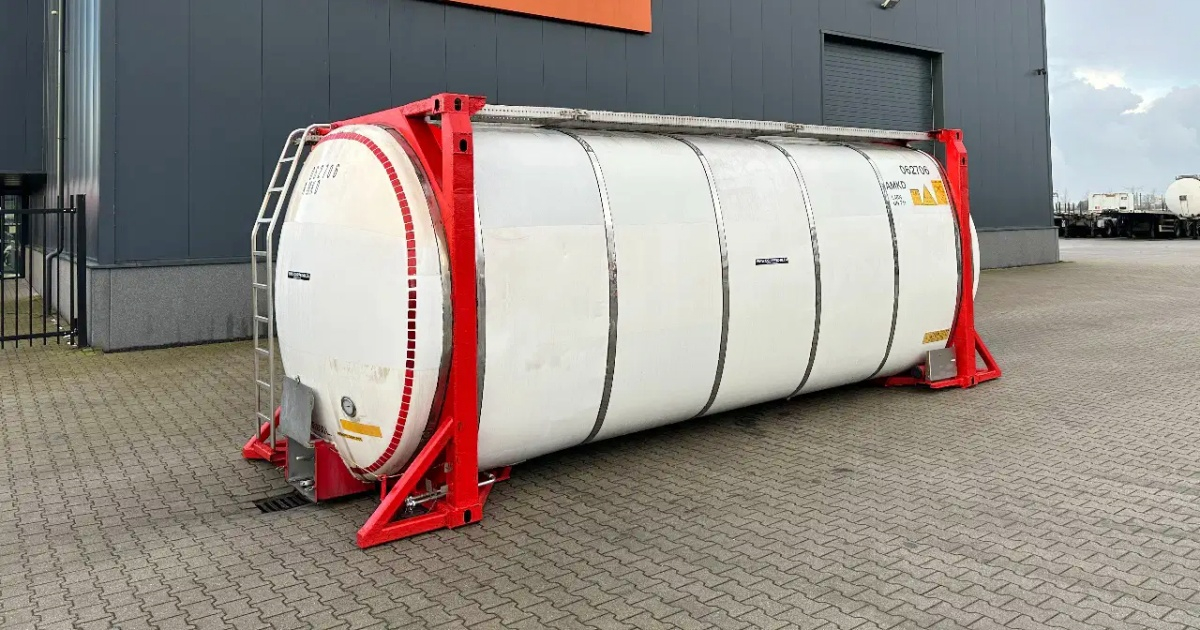
The Chinese firm, Fujian Trebor Trading Company, based in Miramar, is offering gasoline and diesel in 25,000-liter quantities. The pricing is set at $2.50 per liter if the buyer provides an empty isotank and $3.45 per liter if the 25,000-liter tank is included in the purchase.
This business venture became public through commercial announcements on social media and private sector buy-and-sell groups, initially reported by Diario de Cuba. Interestingly, online sources list the company as a wholesale distributor of footwear, yet it guarantees fuel delivery 21 days after payment.
State-Approved Dollar Transactions
Several SMEs have already started receiving imported fuel, with the Cuban government's endorsement for the sales. However, transactions are not directly conducted between private businesses and the foreign company, as reported by 14ymedio.
The process involves Quimimport, a state enterprise specializing in importing chemical products. Interested parties must qualify as clients and await a "commercial proposal." There are also numerous technical and safety prerequisites to meet.
Among these requirements are a Microlocation Certificate from Physical Planning, detailing the precise coordinates for the tank's location; certification from the Fire Protection Agency (APCI) of the Fire Brigade; and a calibration and standardization certificate from Metrology, if the tank is rented. A signed declaration stating the fuel is for personal use and a storage contract if the tank belongs to a state entity are also necessary.
The Cuban authorities emphasize that imported fuel is strictly for self-consumption, prohibiting resale, which effectively limits the initiative's impact on the general population and confines it to businesses capable of paying in foreign currency.
Fuel Sourced from the US and Beyond
According to sources cited by EFE last week, the fuel originates not only from the United States but also from other regional countries. It is transported in standardized stainless steel tanks aboard cargo ships. This development is notable given the White House's threats to levy tariffs or penalties on countries and companies supplying oil to Cuba.
Despite the geopolitical tensions, the Chinese company continues to operate openly, advertising its prices publicly. Diario de Cuba also verified that Fujian Trebor Trading Co., although not registered in the United States, has exported goods to American companies since 2007. U.S. ports such as Miami, Los Angeles, Seattle, and Honolulu have been points of entry.
Unveiling Policy Changes
This mechanism follows a November announcement by the Minister of Foreign Trade and Foreign Investment, Óscar Pérez-Oliva Fraga, who indicated that foreign and joint venture companies would soon be allowed to import their own fuel "when necessary."
On February 7, the minister further elaborated that the government was enabling and authorizing any company with purchasing capacity to acquire fuel in light of the so-called "oil blockade." Traditionally, the Cuban state held an absolute monopoly on oil imports and domestic distribution. This partial opening occurs amid acute shortages.
Energy Crisis Reaches New Heights
Since December, Cuba has ceased receiving oil from Venezuela, and January marked the end of shipments from Mexico. The last recorded import via tanker ships was on January 9, exacerbating transportation paralysis, power outages, and the collapse of much of the economic and social infrastructure.
In this scenario, the option to import fuel in dollars provides a lifeline for certain SMEs and state-affiliated entities to maintain operations, albeit at high costs and under stringent state oversight. This measure, rather than alleviating Cuba's systemic energy crisis, appears aimed at enabling actors with access to foreign currency to continue functioning, while the majority of the population faces prolonged shortages and blackouts.
Understanding the Chinese Company Fuel Imports in Cuba
Why is the Chinese company importing fuel to Cuba?
The Chinese company is importing fuel to Cuba to sell in dollars to small and medium-sized enterprises and other non-state businesses amid Cuba's severe energy crisis.
What are the conditions for buying fuel from the Chinese company?
Buyers need to qualify as clients through Quimimport and meet various technical and safety requirements, including providing a Microlocation Certificate from Physical Planning and certification from the Fire Protection Agency.
Where does the imported fuel come from?
The fuel comes from the United States and other regional countries, transported in standardized stainless steel tanks aboard cargo ships.