This Sunday, the Russian Embassy in Cuba refuted a purported statement circulating on social media regarding the delivery of 200,000 barrels of oil to the island. This denial comes amid Cuba's severe energy crisis and growing international reports of Russian fuel heading toward Havana.
"The Russian Embassy in Cuba states that the information circulating on social media about the alleged statement from the Russian Ministry of Foreign Affairs is false," the embassy clarified through its official channels.
The diplomatic body was clear in its message: "The Russian Foreign Ministry has not issued any statement of this sort. We advise always using official sources: the website of the Russian Ministry of Foreign Affairs, as well as the official accounts of the Ministry and our Embassy. Do not be misled!"
The denial emerged following the widespread circulation of a text claiming confirmation from the Russian Ministry of Foreign Affairs about an immediate oil shipment to Cuba.
The Sea Horse Vessel and Bloomberg's Report
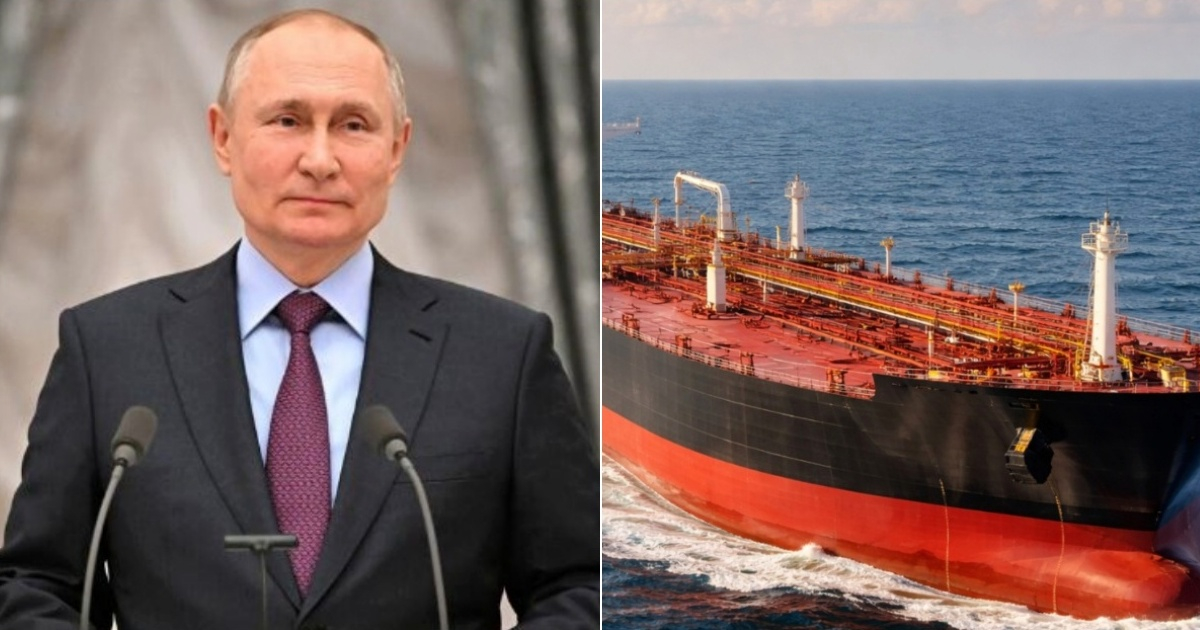
On Friday, Bloomberg reported that "the Sea Horse vessel is en route to Cuba with what is believed to be Russian fuel."
According to the report, the ship, expected to arrive on the island in early March, is likely transporting around 200,000 barrels of gasoil, a crucial fuel for transportation, electricity generation, and other vital activities.
Bloomberg specified that the Sea Horse received supplies through a ship-to-ship transfer off the coast of Cyprus and is likely carrying approximately 200,000 barrels of Russian diesel, based on data from maritime intelligence firm Kpler Ltd.
The information was also presented as a maneuver testing the oil embargo imposed on the Cuban regime by the Trump Administration amid escalating pressure on the island's energy supplies.
As of now, there is no official Kremlin statement confirming the specific shipment mentioned by Bloomberg, aside from the recent denial of the text circulating on social media.
Moscow's Rising Criticism of Washington
This incident occurs just days after the Russian government demanded "common sense" from Washington and an end to the oil blockade, which Moscow claims exacerbates Cuba's already dire energy crisis.
From Moscow, Foreign Minister Sergey Lavrov deemed any attempt to impose a naval embargo on the island as "unacceptable" and categorically rejected U.S. accusations that Russian-Cuban cooperation poses a threat to the United States.
These remarks were made during the official visit of Cuban Foreign Minister Bruno Rodríguez Parrilla to Russia, as he sought political and economic support for the regime.
During the bilateral meeting, Lavrov stated that "together with the majority of the international community," Russia calls on the United States to "demonstrate common sense, adopt a responsible approach, and abandon plans for a naval blockade."
He also emphasized that Russia will continue to support the island in protecting its "sovereignty and security."
For his part, Bruno Rodríguez denounced the tightening of the embargo and asserted that Cuba will continue "steadfastly advancing in defense of its independence and sovereignty."
Previous Aid and Promises of Support
Days earlier, the Russian Embassy in Havana confirmed that the Kremlin would send crude oil and refined products to the island as "humanitarian aid."
"The supply of crude oil and petroleum products from Russia to Cuba is expected soon as humanitarian aid," a Russian diplomat in Havana was quoted by the newspaper Izvestia.
If a new shipment materializes, it would be the first delivery since February 2025, when Moscow sent 100,000 tons of oil to the island through a $60 million state loan.
A Crisis with Little Wiggle Room
Cuba consumes an average of 37,000 barrels per day, a figure that leaves little room in a scenario marked by prolonged blackouts, transportation halts, and severe fuel shortages.
Restrictions on crude imports have worsened the situation in recent months.
In this context, any fuel shipment from Russia would have an immediate impact on the country's energy stability.
However, while Moscow denies the viral statement and does not officially confirm the shipment highlighted by Bloomberg, the arrival of the Sea Horse—if it occurs—will be closely watched as a critical indicator of the true extent of Russian support for the Cuban regime.
Key Questions About Russia-Cuba Oil Relations
What is the current state of Cuba's energy crisis?
Cuba is experiencing a severe energy crisis characterized by prolonged blackouts, transportation interruptions, and a significant shortage of fuel. The country consumes an average of 37,000 barrels of oil per day, and restrictions on crude imports have exacerbated the situation.
Has Russia confirmed any new oil shipments to Cuba?
As of now, Russia has not officially confirmed any new oil shipments to Cuba. The Russian Embassy in Cuba has denied circulating social media claims of an immediate shipment, and there is no official statement from the Kremlin supporting recent reports.
What is the significance of the Sea Horse vessel's journey?
The Sea Horse vessel reportedly carrying Russian fuel to Cuba is significant as it may indicate Russia's tangible support for Cuba amidst the U.S. oil embargo. The ship's journey is closely monitored as a potential challenge to the embargo and a test of the extent of Russian backing for the Cuban regime.