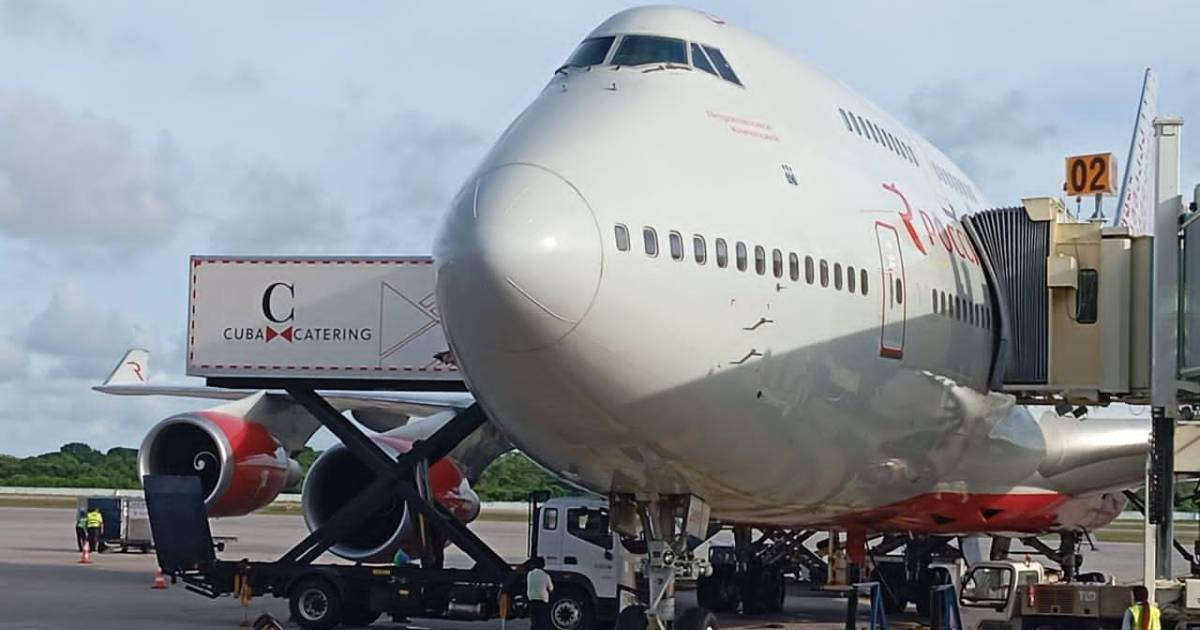
Russian authorities have successfully completed the repatriation of nearly 4,300 tourists who were stuck in Cuba due to the island's ongoing energy crisis, which has severely disrupted aviation fuel supplies.
"The repatriation program has been concluded," the Russian Ministry of Transport announced in a statement released on Telegram.
The final flight touched down at Sheremetyevo International Airport at 5:27 PM Moscow time. This flight, operated by Rossiya Airlines (part of the Aeroflot Group), departed from Varadero, a popular destination among Russian tourists. With this arrival, the initiative that began on February 13th has come to an end.
Airlines and Flight Operations
In addition to Rossiya Airlines, Nordwind Airlines also participated in the effort. Together, these airlines managed to transport nearly 4,300 passengers on nine flights from Cuban airports located in Varadero, Havana, Holguín, and Cayo Coco, all bound for Moscow.
The Russian Ministry of Transport has indicated that the resumption of regular flight connections will depend on the normalization of aviation kerosene supplies in Cuba.
On February 11th, the Russian government advised tour operators to halt the sale of travel packages to the island, leading to airlines temporarily suspending their operations.
International Context
Sheremetyevo Airport, the destination for the repatriation flights, has faced operational challenges recently due to Ukrainian drone attacks impacting Russian airspace.
Currently, Russia ranks as the second-largest source of tourists visiting Cuba. In 2025 alone, 131,882 Russian travelers have visited the island, trailing only Canada, which has reported 754,010 visitors and has also recently completed the repatriation of approximately 28,000 tourists.
The temporary suspension of flights and the subsequent repatriation highlight the broader effects of Cuba's energy crisis, impacting not only local residents but also the international tourism sector.
Impact of Cuba's Energy Crisis on Tourism
Why were Russian tourists stranded in Cuba?
Russian tourists were stranded due to a severe energy crisis in Cuba, which disrupted aviation fuel supplies, hindering regular flight operations.
What airlines were involved in the repatriation effort?
Rossiya Airlines and Nordwind Airlines were responsible for the repatriation flights, transporting nearly 4,300 passengers back to Moscow.
How has the crisis impacted Cuba's tourism sector?
The energy crisis has led to the suspension of flights and affected international tourism, demonstrating significant repercussions for the sector.