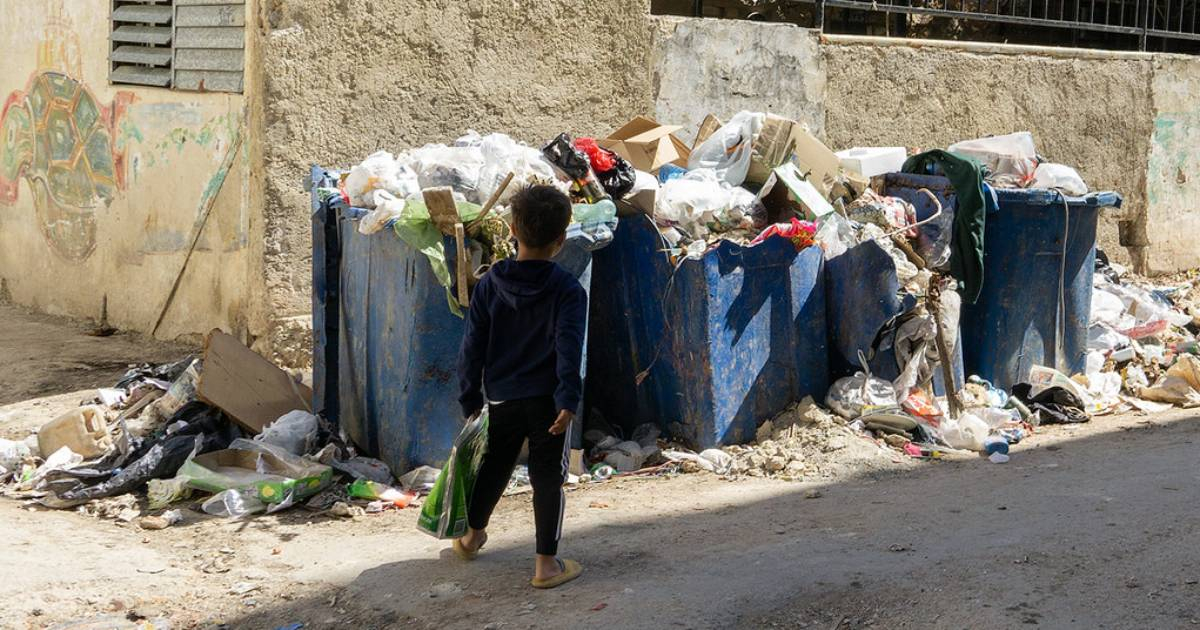
As Cuba faces its most severe energy crisis in decades, characterized by widespread power outages, fuel shortages, and a lack of essential goods like food and medicine, the Canadian government is contemplating sending humanitarian aid to the island.
According to a report from CBC News, Canada's government is "closely monitoring the situation" and exploring ways to support "Cuba's most vulnerable populations," as stated by Charlotte MacLeod, spokesperson for Global Affairs Canada. MacLeod acknowledged the escalating risk of a humanitarian crisis in Cuba.
This consideration arises at a pivotal moment. Increased U.S. restrictions on oil supplies to Cuba have nearly depleted the country's fuel reserves.
As detailed in the CBC analysis, the situation is tantamount to a complete oil blockade, with vessels being tracked and prevented from delivering crude to Cuban ports.
Ricardo Torres, a Cuban economist cited in the report, warned that Cuba might be weeks away from running out of oil entirely. The island requires between 90,000 and 100,000 barrels per day for basic operations, a need that cannot be met with sporadic humanitarian relief.
The crisis significantly impacts the everyday lives of millions of Cubans. The government has ceased diesel sales to the public to conserve fuel for hospitals and essential transport. Power outages disrupt water pumping, halt economic activities, and exacerbate food shortages in a nation heavily reliant on imports.
In Canada, political pressure is mounting. Leaders from the New Democratic Party and the Bloc Québécois have urged Prime Minister Mark Carney to provide immediate assistance to Cuba and to take a tougher stance against Washington.
Foreign Minister Anita Anand expressed "deep concern" over the deteriorating situation but did not confirm whether fuel or additional aid would be sent.
While food and medicine are not subject to U.S. sanctions—and the U.S. has announced a $6 million humanitarian shipment this month—the oil supply issue is different. An executive order signed by former President Donald Trump threatens tariffs on any nation that sells or provides oil to Cuba, placing Ottawa in a challenging position.
The ripple effects are noticeable. Over 27,900 travelers returned from Cuba on Canadian airlines before several suspended flights due to fuel shortages. Canadian tourism, a historical mainstay of Cuba's economy, is beginning to suffer, exacerbating the cycle of declining revenue and scarcity.
The crisis is also affecting foreign businesses on the island. Canadian mining company Sherritt, the leading foreign partner in nickel and cobalt mining in Moa, has announced a temporary shutdown of operations due to a lack of fuel.
Impact of Energy Crisis on Cuba: Key Questions Answered
What is causing Cuba's current energy crisis?
Cuba's energy crisis is primarily due to increased U.S. restrictions on oil supply, leading to severe fuel shortages and widespread power outages across the island.
How is the Canadian government responding to the situation in Cuba?
Canada is considering humanitarian aid and monitoring the situation closely to support vulnerable populations in Cuba. Political pressure within Canada is growing for more decisive action.
What are the potential consequences of the energy crisis for Cuba?
The crisis could severely impact daily life, with disruptions to water supply, halted economic activities, and increased food shortages, further straining Cuba's heavily import-dependent economy.