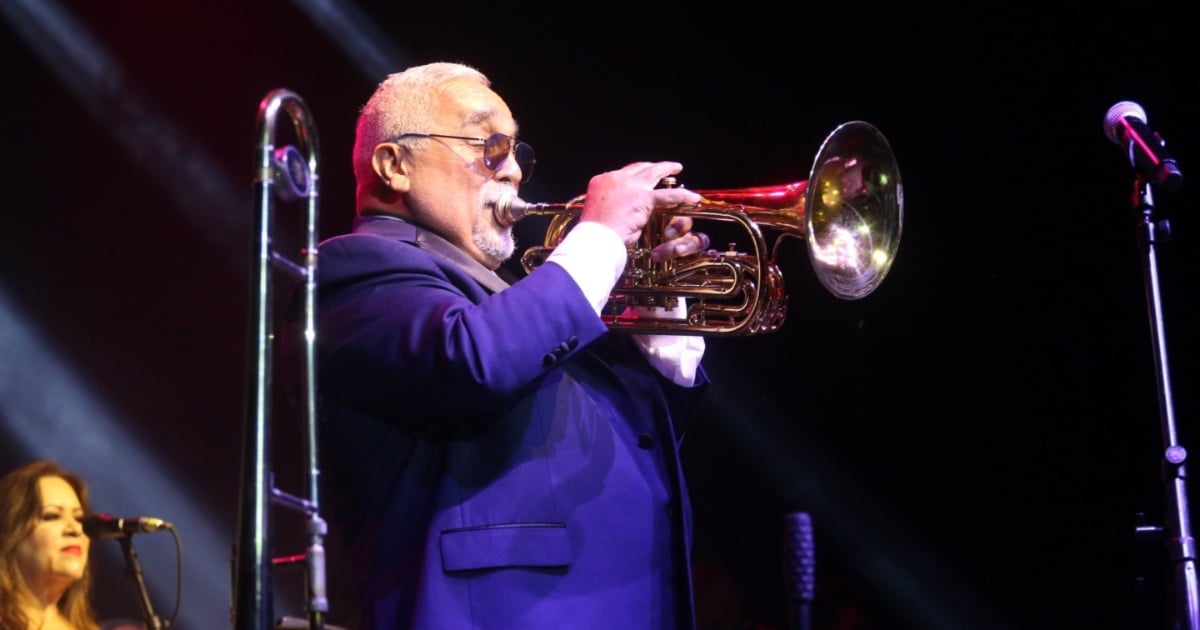
Esteemed musician Willie Colón has passed away at the age of 75, as confirmed by his family in a statement shared on social media. The announcement conveyed that the artist "departed peacefully" in the morning, surrounded by his beloved family.
While the official cause of death has yet to be disclosed, reports suggest that Colón was receiving medical care for respiratory complications.
Born in 1950, Willie Colón was a monumental figure in the history of salsa—a trombonist, composer, producer, and a pivotal player in the genre's expansion from New York to Latin America and beyond.
The Bronx Roots and Salsa Evolution
Colón was born in the Bronx, New York, with Puerto Rican roots. He grew up amidst a rich blend of cultural influences, including jazz, Cuban son, and Caribbean music, which deeply impacted the Latin diaspora in the United States.
At the young age of 17, he signed with Fania Records, the epicenter of the salsa explosion during the 1960s and 70s, quickly emerging as one of its standout artists.
Revolutionizing Salsa with Trombones and Partnerships
Colón transformed the salsa landscape by making the trombone a central instrument, infusing the genre with an edgier and more urban sound, famously known as "salsa dura."
His early career was distinguished by his groundbreaking collaboration with Héctor Lavoe, resulting in classic albums like "El Malo" (1967), "The Hustler" (1968), and "Cosa Nuestra" (1969). Together, they defined the New York salsa sound with lyrics reflecting life in Latin neighborhoods, cultural pride, and social tensions. Songs such as "Aguanilé," "Che Che Colé," and "Calle Luna, Calle Sol" became enduring classics in the salsa repertoire.
Artistic Shifts and Cultural Impact
The 1970s marked a pivotal shift for Colón as he teamed up with Panamanian artist Rubén Blades. Their collaboration produced seminal works like "Metiendo Mano!" (1977) and the landmark "Siembra" (1978), widely regarded as one of the most significant albums in salsa history and one of the genre's top sellers.
Tracks like "Pedro Navaja" and "Plástico" expanded salsa's reach, integrating social narratives, political critique, and more intricate compositions, solidifying Colón not only as a musician but as a cultural architect of the salsa movement.
Beyond Music: A Legacy of Activism
Beyond his artistic ventures, Willie Colón was active in politics and community activism in New York. He was a powerful voice within the Latino community, engaging in social initiatives related to education, civil rights, and cultural representation.
His legacy is marked by numerous productions, collaborations with key Latin music figures, and a central role in establishing salsa as a global phenomenon. With his trombone and artistic vision, he helped transform a musical movement into a shared cultural identity embraced by millions.
Willie Colón will be remembered as a trailblazer, an innovator, and an undisputed legend of salsa.
FAQs About Willie Colón's Legacy
What was Willie Colón's contribution to salsa music?
Willie Colón revolutionized salsa by making the trombone a leading instrument, creating a more aggressive, urban sound known as "salsa dura," and collaborating with artists like Héctor Lavoe and Rubén Blades to produce iconic albums.
How did Willie Colón impact the Latino community beyond music?
Willie Colón was an influential figure in the Latino community, participating in political and social initiatives related to education, civil rights, and cultural representation in New York.