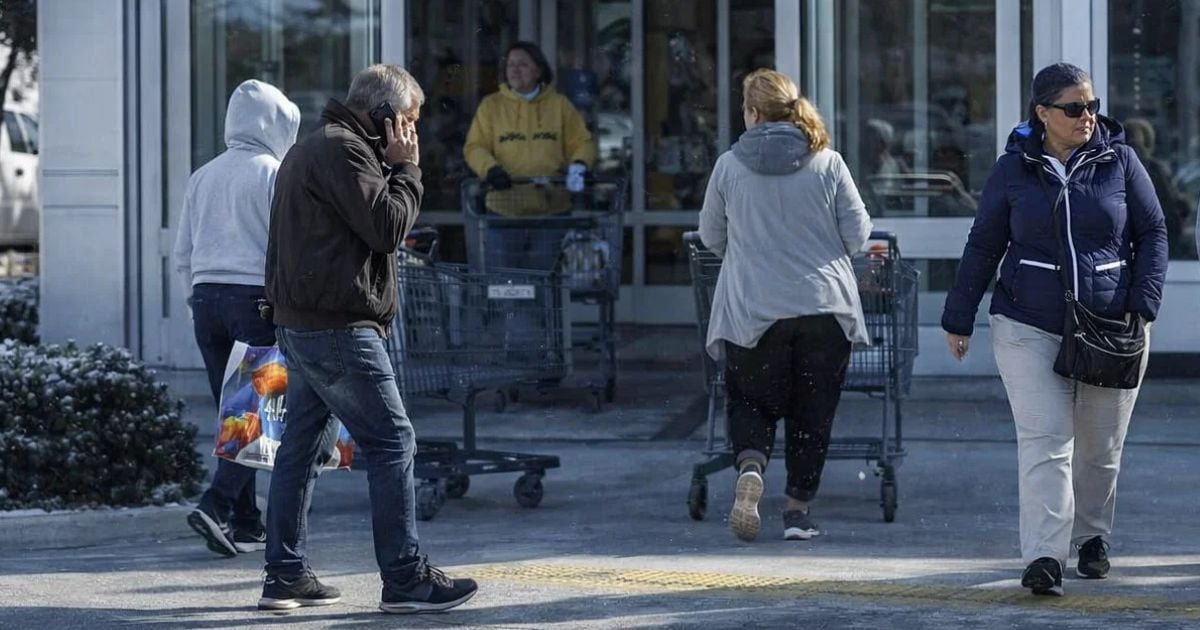
South Florida is bracing for a significant shift in weather conditions as a new cold front is expected to sweep through the region on Sunday night.
According to reports from Telemundo 51, the transformation will be noticeable from late Sunday into the early part of the upcoming week, ushering in a short-lived but intense cold spell.
Prior to the front's arrival, the area will continue to experience typically warm and humid conditions. Highs are anticipated to remain in the mid to upper 80s Fahrenheit, with only a slim chance of isolated showers.
However, the scenario will take a dramatic turn once the front passes through.
A robust high-pressure system will settle in behind the front, bringing much drier air to the southern part of the state. This pattern will lead to a substantial drop in temperatures, coupled with northwesterly winds gusting between 25 and 30 mph.
Highs on Monday and Tuesday are expected to peak in the mid to upper 60s Fahrenheit, a striking contrast to the previous temperatures. The most significant impact, however, will be felt during the early morning hours.
By Tuesday, temperatures could plummet to the 30s Fahrenheit in inland areas and hover around the 40s Fahrenheit along the coast.
With the persistent wind, the wind chill could make it feel even colder, dropping into the 30s Fahrenheit across various parts of the region.
Although the chilly conditions are projected to linger through midweek, meteorologists predict a slight warming trend by Wednesday, signaling the end of this brief but notable cold spell for South Florida.
Recent Record-Breaking Cold
This new front arrives on the heels of an unusually cold start to the month for the area.
For several days, South Florida experienced temperatures near the 30s Fahrenheit, with the National Weather Service (NWS) issuing extreme cold and frost warnings.
Coastal sectors of Palm Beach, as well as the Miami-Dade and Broward metropolitan areas, were under a cold warning. Frost advisories were activated for inland Broward and the rest of Palm Beach, prompting authorities to advise the public to take precautions.
This winter has set historical records.
In Miami, a minimum temperature of 35 degrees Fahrenheit was recorded, a figure not seen in 117 years. Other cities like Orlando and Tallahassee also broke records, and even some areas reported snowflakes, an exceedingly rare occurrence in Florida.
On the last day of January, an unusually powerful Arctic front froze vast portions of the state, creating uncommon scenes for the Sunshine State: frost-covered mornings, nearly deserted streets due to the cold, and thermometers registering historic lows.
In Tampa Bay, snowflakes were reported for the first time in 16 years.
Safety Measures During Cold Weather
Authorities have emphasized that temperatures below 32 degrees Fahrenheit pose significant risks to health, infrastructure, and agriculture.
Recommendations include wearing thermal clothing, avoiding prolonged exposure outdoors, protecting pipes and plants, keeping pets indoors, and securing items in yards and balconies against wind gusts.
Additionally, special attention should be given to vulnerable individuals. Those lacking heating or in need of assistance can contact 211 for guidance on available community services.
As South Florida braces for this new cold front, the region prepares for days that starkly contrast with its usual climate, in a winter that has already made its mark on the state's historical records.
Understanding the Cold Front Impact in South Florida
What is causing the sudden drop in temperatures in South Florida?
The drop in temperatures is due to the arrival of a cold front combined with a high-pressure system that brings drier and colder air, leading to significant temperature decreases.
How long is this cold spell expected to last?
The cold spell is expected to persist through midweek, with a slight warming trend anticipated by Wednesday, marking the end of the cold snap.
What precautions should residents take during this cold front?
Residents are advised to wear thermal clothing, protect pipes and plants, keep pets indoors, and secure outdoor items. Special care should be taken for vulnerable populations, and those in need can seek community support by contacting 211.