The official media outlet Venceremos recently reported an alleged improvement in the basic goods supply in Imías, a municipality in Guantánamo, which sparked a wave of reactions on Facebook filled with skepticism, outrage, and grievances regarding the area's food situation.
According to the official statement, the municipality is expanding its offerings through local production and partnerships with new economic actors. They announced the sale of beans and fish, priced at 300 pesos for pregnant women and 400 pesos for other groups, along with packages of processed foods.
However, once the announcement was shared on the media's Facebook page, numerous users questioned both the truthfulness and the actual impact of what was being claimed.
Public Skepticism Over Announcements
One of the most frequently repeated criticisms was that the information did not match the reality in local stores. “Thank goodness, because here in Baracoa, only milk for small children arrived, children over two years old are not considered kids anymore; it's abuse,” commented one user. Another individual stated, “Well, I've been five months pregnant and haven't received any milk or rice. I have a four-year-old who hasn't gotten milk since January.”
There were also direct challenges to the distribution and the criteria for prioritizing certain populations. “Don't other people eat? Many of those considered vulnerable can't afford these products,” remarked another person. Similarly, a user questioned, “And those aged 13 to 65, are we supposed to starve?”
Children's Definition Sparks Debate
The concept of "children" also sparked considerable debate. “Which children? Now they only consider kids those aged 0 to 4, what about the others, aren't they kids?” wrote a user. Another questioned the age ranges for different products: “Now I ask, in this country, who are the children? For some products, it’s up to 5 years, for others up to two. Aren’t they all children who need food? And what about the rest of the population?”
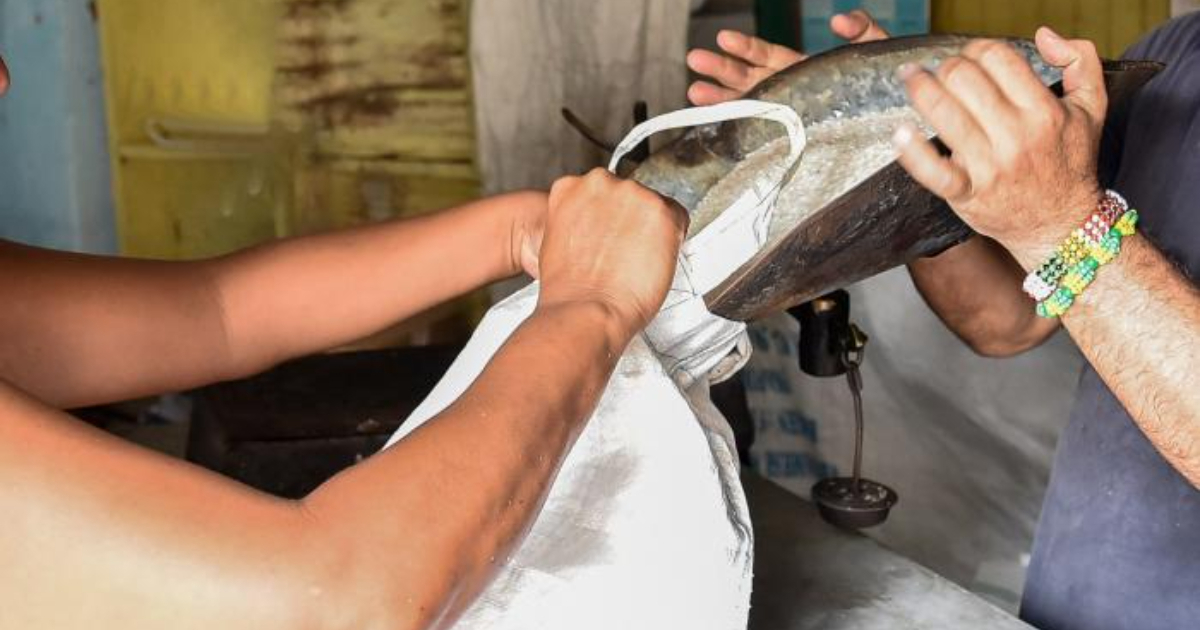
Criticism extended beyond content to the image used in the publication. “That photo is as fake as Camilo’s disappearance,” stated one commenter. Another was more direct: “Haha, they can’t even take a photo. That picture is from Colombia. Keep fooling people; you are accomplices in the debacle, how communist.”
Rejecting the Blockade Argument
Some comments dismissed the blockade argument as the primary explanation for the shortages. “Every time I hear the word BLOCKADE, it fuels my rage,” wrote one user. Another was unequivocal: “Blah blah blah, always deceiving the people.”
Connectivity issues and power outages were also mentioned as part of the context the population faces. “Turning off the generator at the post office! To keep us disconnected,” one user complained. Another noted, “And there’s never coverage.”
Mixed Reactions to the Initiative
Not all reactions were negative. Some defended the initiative. “Very good initiatives,” wrote an internet user. Another expressed, “Wow, really good news.” Some urged caution but were willing to believe: “Good initiative, but please make it real.”
In contrast, several comments summed up the prevailing sentiment with phrases like “Lies and more lies,” “What a big lie, for God's sake,” and “shameless.”
The official note asserts that Imías has 39 stores serving over 8,400 consumers and that new alternatives will be introduced, such as croquette dough, empanadas, flour derivatives, charcoal, and root vegetables per family. However, the online reaction shows that a significant portion of the population does not yet see these benefits in their daily lives.
The digital debate highlights not only the supply crisis affecting the area but also the growing public distrust of official announcements regarding Cuba's basic goods supply.
Frequently Asked Questions About Imías Basic Goods Supply
What was announced about the basic goods supply in Imías?
It was announced that the municipality is expanding its offerings with local production and new economic partnerships, including the sale of beans and fish at specific prices for different groups, along with packages of processed foods.
How did the public react to the announcement?
The announcement was met with skepticism, outrage, and mistrust. Many questioned the reality and impact of the claims, highlighting discrepancies between official statements and what is available in stores.
What criticisms were raised regarding the definition of 'children'?
Critics pointed out inconsistencies in age definitions for different products, questioning why only children up to a certain age are considered for certain goods and why older children are excluded.