A mother of eight from Matanzas has openly voiced her frustration over the declining living conditions in Cuba, where the shortage of essential food items and the relentless rise in prices are severely impacting the most vulnerable families.
In a heartfelt post on the Facebook group "Matanzas de todo un poco la playa," Iliannys Delgado detailed her struggles to provide something as fundamental as breakfast for her children.
"I'm extremely upset with everything that's happening. As a mother of eight, I can't even find bread or milk for my children at the store. At least there's bread so my kids can go to school," she shared.
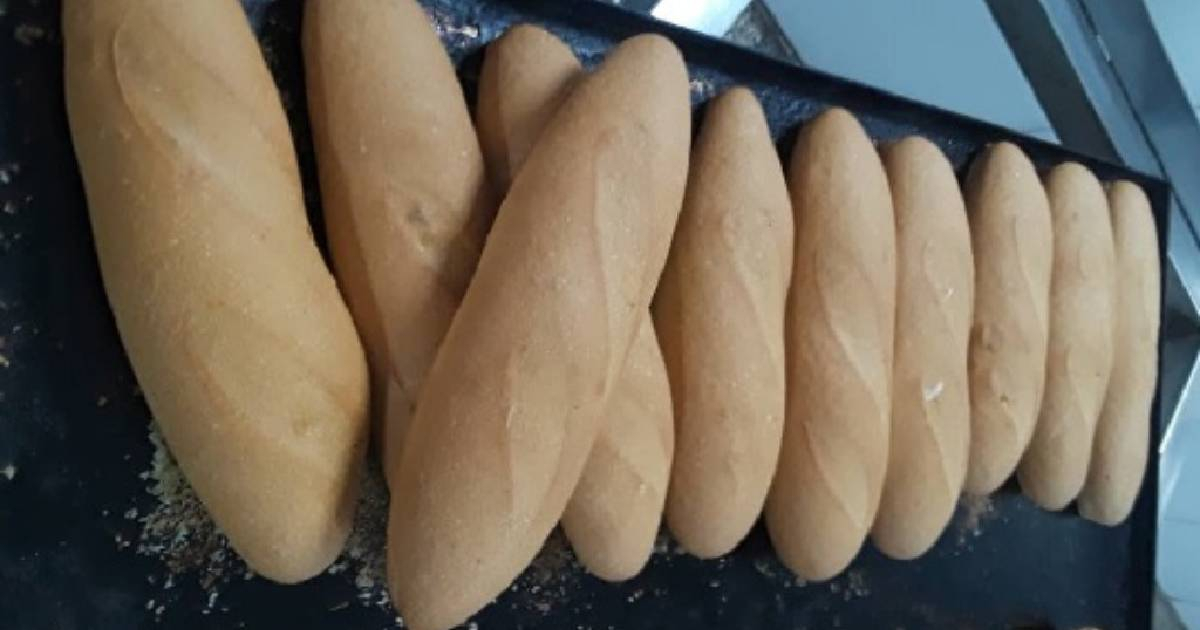
Delgado recounted how she was forced to purchase two loaves of soft bread, each costing 200 pesos, just to ensure her children could attend school that day. However, she admitted this isn't a sustainable solution.
"I want my kids to go to school every day, but given the situation, it's unimaginable, and then there's nothing left," she lamented.
She also criticized the role of resellers exploiting the public. "And that's not even considering the cost of a meal. It's beyond words."
In a tone of desperation, she added, "I'm not one to say this, but if the Americans are going to intervene in this country, they should just do it already, because this has to end somehow."
Her statement reflects a widespread reality in the country: the ration book no longer ensures essential items, and citizens are forced to turn to private vendors or small businesses where supplies are available, but at prices unaffordable for most state salaries.
With ongoing inflation, costs change almost daily, while incomes remain stagnant or far below the actual cost of living.
Public Outrage and Social Response
The post sparked an outpouring of comments highlighting the social unrest over the lack of basic food items, especially for children.
A Cuban living in the United States commented, "Those in power don't care at all, they have everything, while the people, especially the children, don't even have a piece of bread or a glass of milk; it's criminal."
Another person remarked, “The children of the elite in the PCC and government don't face this. They travel the world and eat lavishly."
From within Cuba, one user expressed, "It's heartbreaking to see this situation, the struggle a mother goes through to feed her children, and there are those who take advantage by hiking prices."
Another user questioned the promised shipments of milk from Mexico's president.
Some pointed to structural accountability. A resident of Cienfuegos argued that private sellers have the right to set their prices. "Blame those who are supposed to guarantee daily bread or pay a meager salary."
"We're a country without laws," another user said. "The government sets them, but self-employed individuals and small businesses do as they please right in front of those who are supposed to enforce them."
Another mother summed up the plight of many children on the island: "In Cuba, if a child can have breakfast, they can't take a snack to school, let alone have an afternoon treat. Childhood in Cuba is sad and painful, without food, toys, or places for fun. They stopped being the hope of the world, now they're the most suffering."
Economic Crisis and Daily Pressures
Delgado's testimony comes amid a severe economic downturn.
Inflation has eroded purchasing power, subsidized products arrive sporadically - if at all - and private markets, although better stocked, operate with prices that far exceed the average monthly salary.
In many areas, the rationed bread and milk for children - once staple guarantees of the rationing system - are frequently unavailable. Families must allocate an increasing portion of their income to basic food, cutting other essential expenses.
The combination of shortages, rising prices, and unequal access to basic goods has created an atmosphere of frustration and hopelessness.
The message from this Matanzas mother is far from an isolated incident; it has become a reflection of the anxiety faced by numerous Cuban households in their struggle to secure something as basic as bread and milk for their children.
FAQs on Cuba's Economic Challenges
What are the main causes of the food shortages in Cuba?
The food shortages in Cuba are primarily due to the economic mismanagement by the government, reliance on imports, and the impact of the U.S. embargo. Additionally, inflation and inefficient distribution systems exacerbate the issue.
How does inflation affect Cuban families?
Inflation significantly reduces the purchasing power of Cuban families, making it difficult to afford basic necessities. With incomes remaining low, the rising prices of goods place a heavy burden on household budgets.
What options do Cuban families have for buying food?
Cuban families often rely on rationed goods, private markets, or small businesses to purchase food. However, these options come with limitations such as inconsistent availability and high prices.