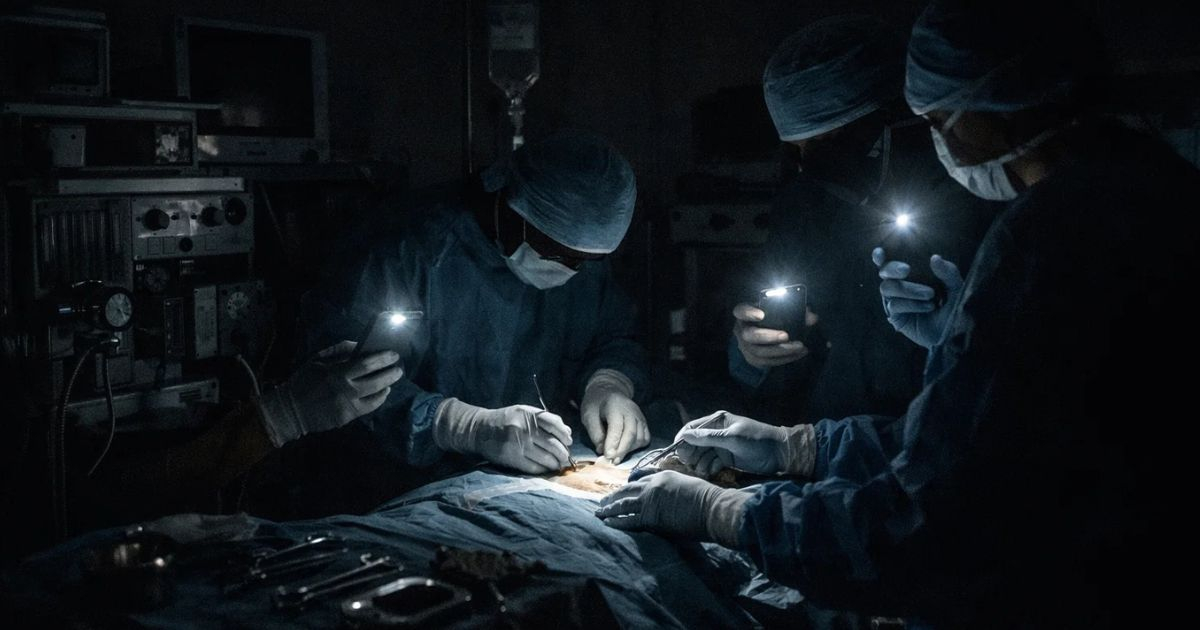
In a dramatic scene at Ramón González Coro Hospital in Havana, a team of obstetricians performed surgery under the glow of cellphone flashlights following a sudden power outage. This incident, while described as isolated, underscores a significant vulnerability within the hospital system, characterized by frequent blackouts and outdated equipment, as highlighted by the pro-government Facebook page, Naturaleza Secreta.
In the obstetric emergency room, where life-threatening cases for mothers and newborns are handled, a power failure means critical medical devices are rendered useless. Dr. Yudmila Rodríguez Verdecia, an Anesthesiology and Resuscitation specialist and head of the surgical unit, explained that many of these devices are entirely reliant on electricity because their batteries have become non-functional over years of use.
This includes neonatal resuscitation cribs, surgical lights, and the anesthesia machine itself. In the event of a blackout, the unit is plunged into darkness, and monitoring equipment ceases to function. Under such conditions, medical staff must proceed with surgeries without interruption, using the light from mobile phones to illuminate the operating field.
Patient ventilation and vital signs monitoring rely heavily on direct clinical observation and manual procedures. Dr. Rodríguez highlighted the risks posed to both mother and child during these operations, as the necessary technical support for a safe procedure is lacking—a failure the Cuban regime continues to overlook. Despite these challenges, the team is trained to handle such emergencies, which they fear could become routine instead of exceptional.
This narrative not only highlights the dedication and professionalism of healthcare workers who keep patients alive under extreme conditions but also sheds light on the structural and energy deficiencies forcing healthcare staff to work at their limits. The reliance on cellphone batteries for lighting during obstetric surgeries is not an indication of technological resilience but rather a glaring sign of a healthcare crisis operating without basic safety assurances.
While doctors strive to ensure the survival of mother and child, the inadequate infrastructure pushes them into situations that should not exist in the 21st century. According to Dr. Rodríguez, no lives have been lost under these circumstances thus far. However, each blackout turns the operating room into an extreme test of the medical staff's heroism, compensating for a system that fails to provide minimum safety standards.
The story shared by Naturaleza Secreta fits into the Cuban regime's recurring narrative that attributes internal shortcomings to the "unjust sanctions" imposed by the United States. Yet, beyond the official discourse, the ongoing deterioration of the island's healthcare system results from years of mismanagement, lack of investment, neglected hospital infrastructure, and political decisions prioritizing power retention over the population's real needs.
Challenges in Cuban Healthcare System
What are the main challenges faced by Cuban hospitals during power outages?
Cuban hospitals face significant challenges during power outages, including the loss of vital medical equipment functions, reliance on manual procedures, and the need to use cellphones for lighting during surgeries.
How do Cuban doctors manage surgeries during blackouts?
During blackouts, Cuban doctors continue surgeries using cellphone flashlights to illuminate the surgical area and rely on manual monitoring techniques to assess patients' vital signs.
What is the impact of outdated equipment on Cuban healthcare?
Outdated equipment in Cuban healthcare facilities leads to increased vulnerability during power outages, as many devices cannot function without electricity. This situation compromises patient safety and healthcare delivery.