The Cuban government has once again pointed fingers at the United States for the healthcare crisis on the island, this time claiming that over 32,000 pregnant women are at risk due to a fuel shortage.
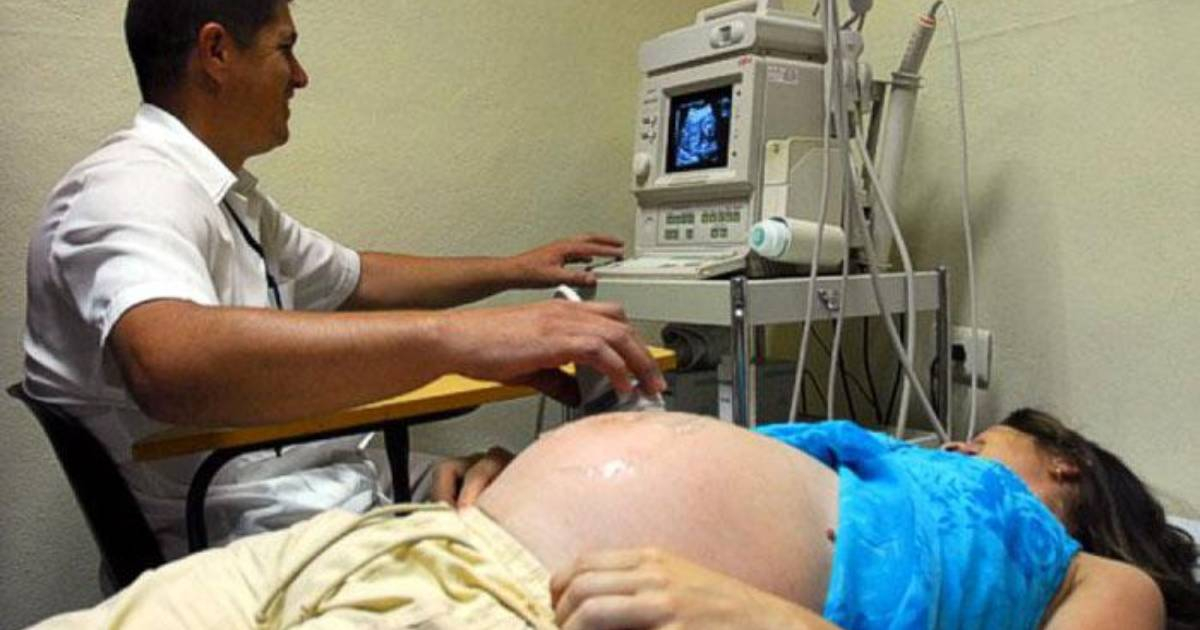
In an article published by the state-run Granma newspaper, the Ministry of Public Health stated that approximately 32,880 expectant mothers will face "additional risks" because of the constraints caused by the so-called "energy blockade." According to the official narrative, these limitations hinder the performance of obstetric ultrasounds, the care of severe maternal morbidity cases, and the operation of essential medical services.
The report further claims that more than 61,000 children under the age of one could be affected by the lack of resources, describing the situation as part of a "brutal economic war" against Cuba.
The government contends that the fuel shortage disrupts everything from childhood vaccinations to the treatment of cancer patients and individuals with chronic illnesses, warning of a potential rise in mortality rates across the nation.
However, while the government’s rhetoric targets Washington, citizen complaints within the island continue to highlight negligence, hospital neglect, and reprisals against those who speak out.
Last December, Yurisnel Domenech Atencio reported that his wife and 14 other pregnant women had been unable to receive ultrasounds for over two weeks at the Media Luna hospital in Granma due to a lack of fuel for the power generator. According to his account, fuel was suddenly available when it was needed to transport people to a political event in Cinco Palmas.
After posting a video about the situation on social media, Domenech was summoned and questioned by State Security agents, accused of "inciting violence," despite making no such call. He received a warning notice, and as he reported, the authorities showed no interest in the plight of the pregnant women, focusing instead on silencing his complaint.
The gap between the official narrative and the hospital reality was also exposed in Santiago de Cuba, where recent images showed a cockroach infestation in the bathroom of the maternity ward at the Juan Bruno Zayas Clinical-Surgical Hospital. Photos and videos displayed insects on walls, doors, and areas near the toilet, in a space meant for new mothers.
Patients' families reported risks of infections, accumulated dirt, and institutional neglect at a facility already plagued by complaints of unsanitary conditions.
Maternal and child health has historically been one of the cornerstones of Cuban propaganda. Nevertheless, the visible deterioration of hospitals, shortages of medical supplies, power outages, and fuel scarcity are part of a long-standing structural crisis that many Cubans also attribute to internal management issues, corruption, and political priorities.
Questions About Cuba's Healthcare Crisis
What is causing the healthcare crisis in Cuba?
The Cuban government attributes the healthcare crisis to a fuel shortage exacerbated by the so-called "energy blockade" by the United States. However, many citizens also blame internal management issues, corruption, and political priorities.
How are pregnant women affected by the fuel shortage in Cuba?
The fuel shortage is reportedly preventing pregnant women from receiving necessary medical services such as obstetric ultrasounds and care for severe maternal morbidity cases, putting their health at risk.
What other groups are impacted by Cuba's healthcare issues?
Besides pregnant women, children under the age of one, cancer patients, and individuals with chronic illnesses are also severely affected due to the limitations in medical services caused by resource shortages.