Havana is experiencing one of its most challenging tourist seasons in recent memory, evidenced by empty hotels, widespread cancellations, and increasingly dim streets.
A report by The Irish Times paints a picture of a Cuban capital reeling from a fuel crisis and a tourism collapse, both influenced by policy decisions from former President Donald Trump's administration.
The Irish publication features Marco Alonso, a Havana Airbnb host, who succinctly captures the situation, stating, "Every time I speak with clients, they cancel and mention Trump."
Alonso explains that many travelers abandoned their plans following the halt in Venezuelan oil shipments to the island and Washington's pressure on Mexico to cease its fuel deliveries.
He manages a private guesthouse, part of a wave of independent accommodations that flourished due to economic easing over the past decade. Now, he faces a starkly different reality.
"There was a time when I would say, 'The situation is bad, but we have options.' I am the face of this hotel, and I can no longer lie. I know what the guests say is true," he admits. He poses a telling question: "Do they really want an immersive experience when stepping out into complete darkness?"
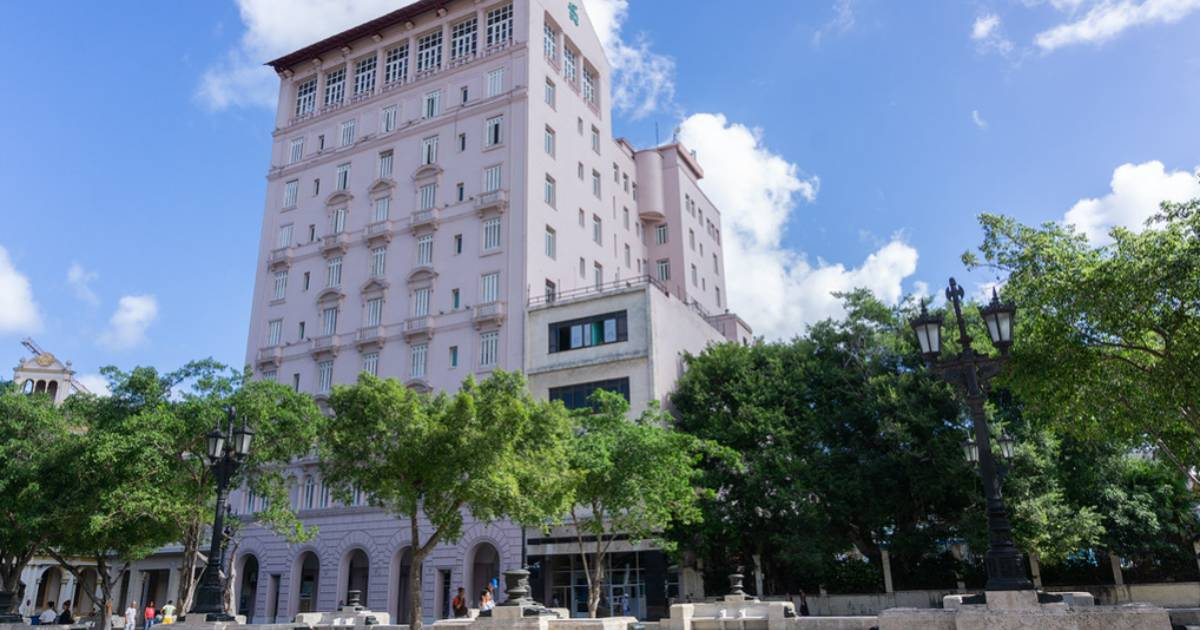
The report also notes the closure of more than twenty state-run hotels, including the Hotel Raquel in Old Havana. During peak tourist season, its lobby remains lit only by a guard who turns on the lights in front of an empty counter and stairway blocked with red tape.
For a month now, Cuba has not received oil or fuel. The island relies on imports for about 60% of its energy needs, and the shortage has led to the closure of over two dozen state hotels during the high season. Among them is the Hotel Raquel in Old Havana, where, according to the report, a guard illuminates a lobby devoid of guests or staff.
The crisis extends beyond large state complexes. Approximately 300,000 Cubans depend on tourism either directly or indirectly, with the sector being a major source of foreign currency for the country. According to data cited in the report, tourism revenue fell by 70% between 2019 and 2025.
Osniel Díaz, aged 34, experiences this firsthand while driving his classic 1950s car. During the thaw between 2015 and 2016, he earned between $300 and $400 daily by transporting tourists, many of whom were Americans, along the Malecón and Plaza de la Revolución.
"Americans and Europeans enjoy the same things. The only difference is Americans pay more," he notes. This February, there were days without a single customer. If his earnings drop below $60 a day, he says it will be more profitable to drive for La Nave, a local transport app.
At night, with most buses out of service, transport requests surge, and pedicabs fill the gap. Havana, as described by the media, operates at half capacity.
Additionally, several airlines have suspended operations due to a lack of aviation fuel, and countries like Russia and Canada have begun repatriating their citizens. Ireland, meanwhile, has advised against non-essential travel to Cuba due to the "increasingly severe economic and humanitarian situation."
However, the impact isn't solely economic. Shayra Pernia, 39, who usually works within the sex tourism sector, asserts that the atmosphere has changed. "We're in a state of panic," she states.
She explains that fewer foreigners reach out because "even tourists know gasoline is scarce and hotel services are tedious." With frequent blackouts and reduced police presence on the streets, she feels the city has become less safe. "The city feels like a ghost town... We used to see police patrols in Havana. Now, they’re nowhere to be seen; we're alone."
Cuban Deputy Prime Minister Óscar Pérez-Oliva Fraga mentioned on state television that the government has devised a plan to reduce energy consumption and optimize the high season, though he did not provide details on new immediate supplies.
Impact of U.S. Policies on Cuba's Tourism
How has the U.S. administration influenced Cuba's tourism crisis?
The U.S. administration under former President Donald Trump imposed policies that pressured other nations, such as Mexico, to halt fuel shipments to Cuba, contributing significantly to the tourism decline on the island.
What are the consequences of the fuel shortage in Cuba?
The fuel shortage has led to the closure of numerous state-run hotels, severely impacting tourism, and has resulted in reduced transportation services, making the city feel less safe and accessible.
What measures is the Cuban government taking to address the crisis?
The Cuban government has announced a plan to reduce energy consumption and optimize the tourist season, although specific details about new fuel supplies have not been disclosed.